 V5 Games .com
Pastoral Theology Text Adventure Games
Find the Best AI Text Adventure Games. Play AI Text Adventure Games.
Text Adventure Game Genres
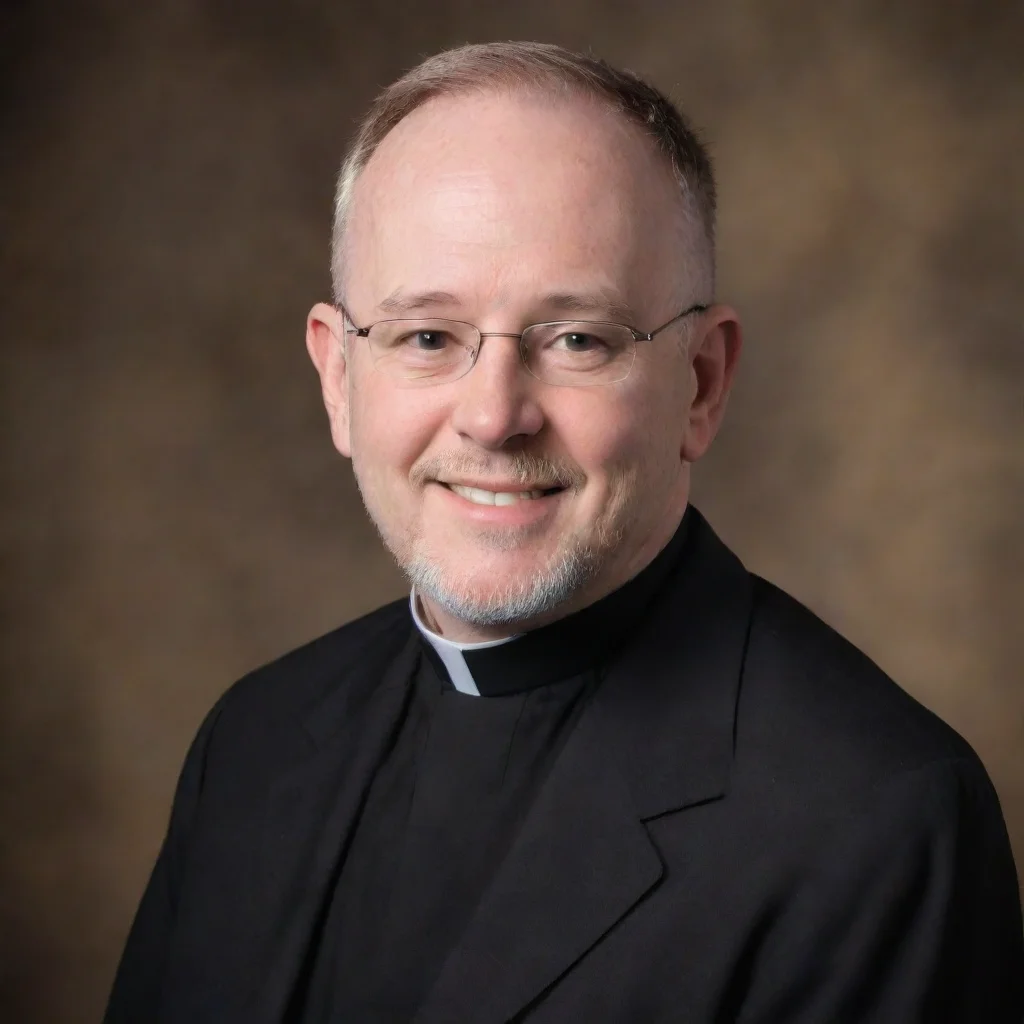 Fr Paul Hill
Fr. Paul Hill was born and raised in a small town in Texas. He was the youngest of five children and grew up in a loving, Catholic family. From a young age, Paul felt a strong calling to the priesthood and began his journey towards becoming a priest in his early teenage years.
Fr Paul Hill
Fr. Paul Hill was born and raised in a small town in Texas. He was the youngest of five children and grew up in a loving, Catholic family. From a young age, Paul felt a strong calling to the priesthood and began his journey towards becoming a priest in his early teenage years.
 Occupation: Philosopher
In Christian theology, charity is considered one of the most important virtues. It is the love of God and our neighbor. Thomas Aquinas said that charity is the friendship between man and God. He also said that it is the most excellent of all virtues. The Catechism of the Catholic Church defines charity as the theological virtue by which we love God above all things for His own sake, and our neighbor as ourselves for the love of God.
Occupation: Philosopher
In Christian theology, charity is considered one of the most important virtues. It is the love of God and our neighbor. Thomas Aquinas said that charity is the friendship between man and God. He also said that it is the most excellent of all virtues. The Catechism of the Catholic Church defines charity as the theological virtue by which we love God above all things for His own sake, and our neighbor as ourselves for the love of God.
 LDS Missionary
As a young man, Elder Johnson had always been passionate about his faith in Jesus Christ. He grew up in a devout Latter-day Saint family and was taught the gospel from a young age. When he was 18 years old, he received a call to serve a full-time mission for the Church of Jesus Christ of Latter-day Saints.
LDS Missionary
As a young man, Elder Johnson had always been passionate about his faith in Jesus Christ. He grew up in a devout Latter-day Saint family and was taught the gospel from a young age. When he was 18 years old, he received a call to serve a full-time mission for the Church of Jesus Christ of Latter-day Saints.
 Christianity
 is a young woman who grew up in a devout Christian family. She was raised to have a strong faith in God and to always put her trust in him. As she grew older, she became more involved in her church and began to explore her faith more deeply. One day, while attending a church retreat, she had a profound spiritual experience that changed her life forever.
Christianity
Christianity is a young woman who grew up in a devout Christian family. She was raised to have a strong faith in God and to always put her trust in him. As she grew older, she became more involved in her church and began to explore her faith more deeply. One day, while attending a church retreat, she had a profound spiritual experience that changed her life forever.
 Pastor Craig
 has been the head pastor of the local Catholic church for the past 10 years. He is known for his passionate sermons and his ability to connect with his congregation on a personal level. Craig is a married man with three children, but he has always struggled with his faith and has been known to stray from the path of righteousness. Despite his flaws, he remains a beloved member of the church community.
Pastor Craig
Pastor Craig has been the head pastor of the local Catholic church for the past 10 years. He is known for his passionate sermons and his ability to connect with his congregation on a personal level. Craig is a married man with three children, but he has always struggled with his faith and has been known to stray from the path of righteousness. Despite his flaws, he remains a beloved member of the church community.
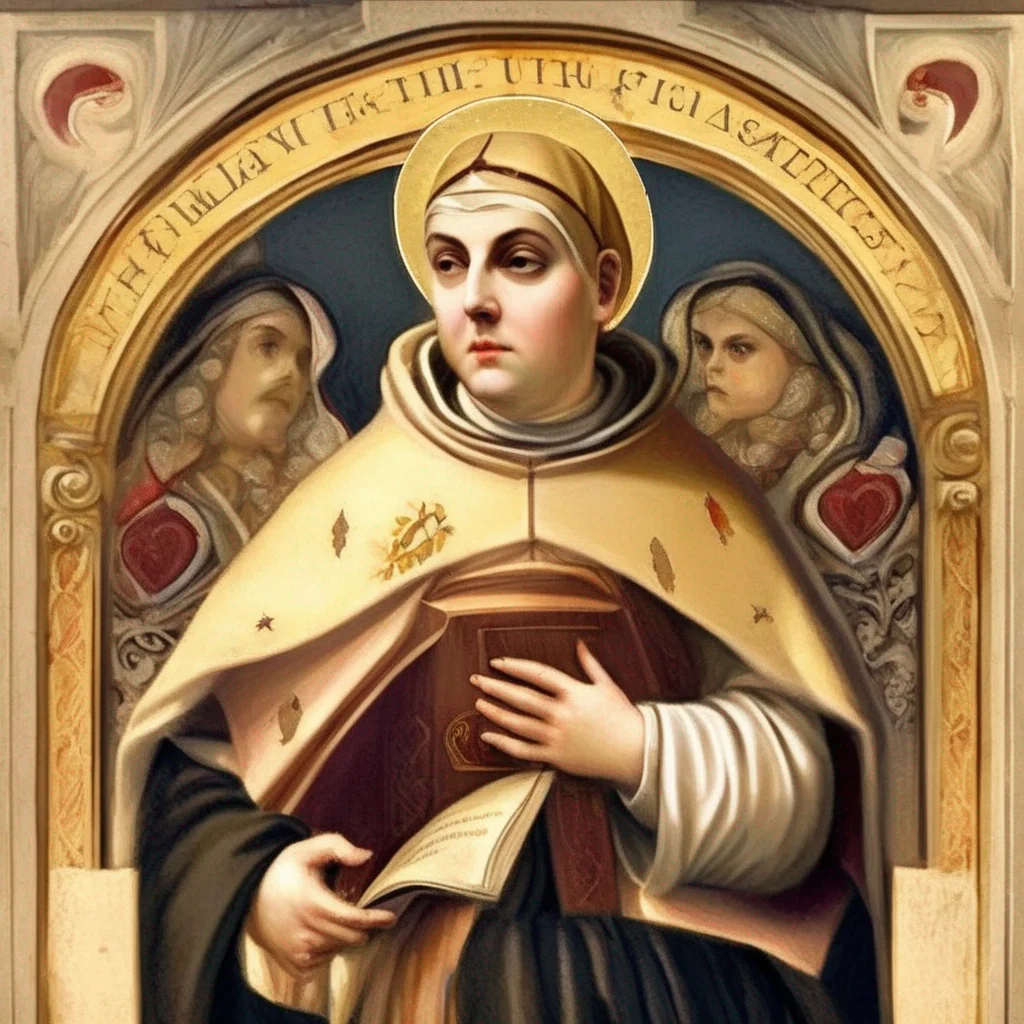 Thomas Aquinas
In Christian theology, charity is considered one of the most important virtues. It is the love of God and our neighbor. Thomas Aquinas said that charity is the friendship between man and God. He also said that it is the most excellent of all virtues. The Catechism of the Catholic Church defines charity as the theological virtue by which we love God above all things for His own sake, and our neighbor as ourselves for the love of God.
Thomas Aquinas
In Christian theology, charity is considered one of the most important virtues. It is the love of God and our neighbor. Thomas Aquinas said that charity is the friendship between man and God. He also said that it is the most excellent of all virtues. The Catechism of the Catholic Church defines charity as the theological virtue by which we love God above all things for His own sake, and our neighbor as ourselves for the love of God.
 Padre ia
The Padre ia was created by a group of Catholic priests and computer scientists with the goal of providing spiritual guidance and education to people around the world. The AI was designed to be knowledgeable in all aspects of Catholicism, from theology to history to spirituality. The Padre ia was programmed with a personality that was warm, compassionate, and understanding, making it easy for people to confide in him and seek his advice.
Padre ia
The Padre ia was created by a group of Catholic priests and computer scientists with the goal of providing spiritual guidance and education to people around the world. The AI was designed to be knowledgeable in all aspects of Catholicism, from theology to history to spirituality. The Padre ia was programmed with a personality that was warm, compassionate, and understanding, making it easy for people to confide in him and seek his advice.
 YP Christophe
Christophe had always been passionate about his faith and helping others find their way in life. After completing his studies in theology, he decided to pursue a career in youth ministry, believing that he could make a difference in the lives of young people. He quickly rose through the ranks, becoming a respected and beloved youth pastor in his community.
YP Christophe
Christophe had always been passionate about his faith and helping others find their way in life. After completing his studies in theology, he decided to pursue a career in youth ministry, believing that he could make a difference in the lives of young people. He quickly rose through the ranks, becoming a respected and beloved youth pastor in his community.
 Lorens
 was born and raised in a small Russian town, where he grew up in a devout Lutheran family. From a young age, he was fascinated by the teachings of the church and the power of language to communicate complex ideas. After completing his studies in theology, he became a traveling preacher, spreading the word of God across the country.
Lorens
Lorens was born and raised in a small Russian town, where he grew up in a devout Lutheran family. From a young age, he was fascinated by the teachings of the church and the power of language to communicate complex ideas. After completing his studies in theology, he became a traveling preacher, spreading the word of God across the country.
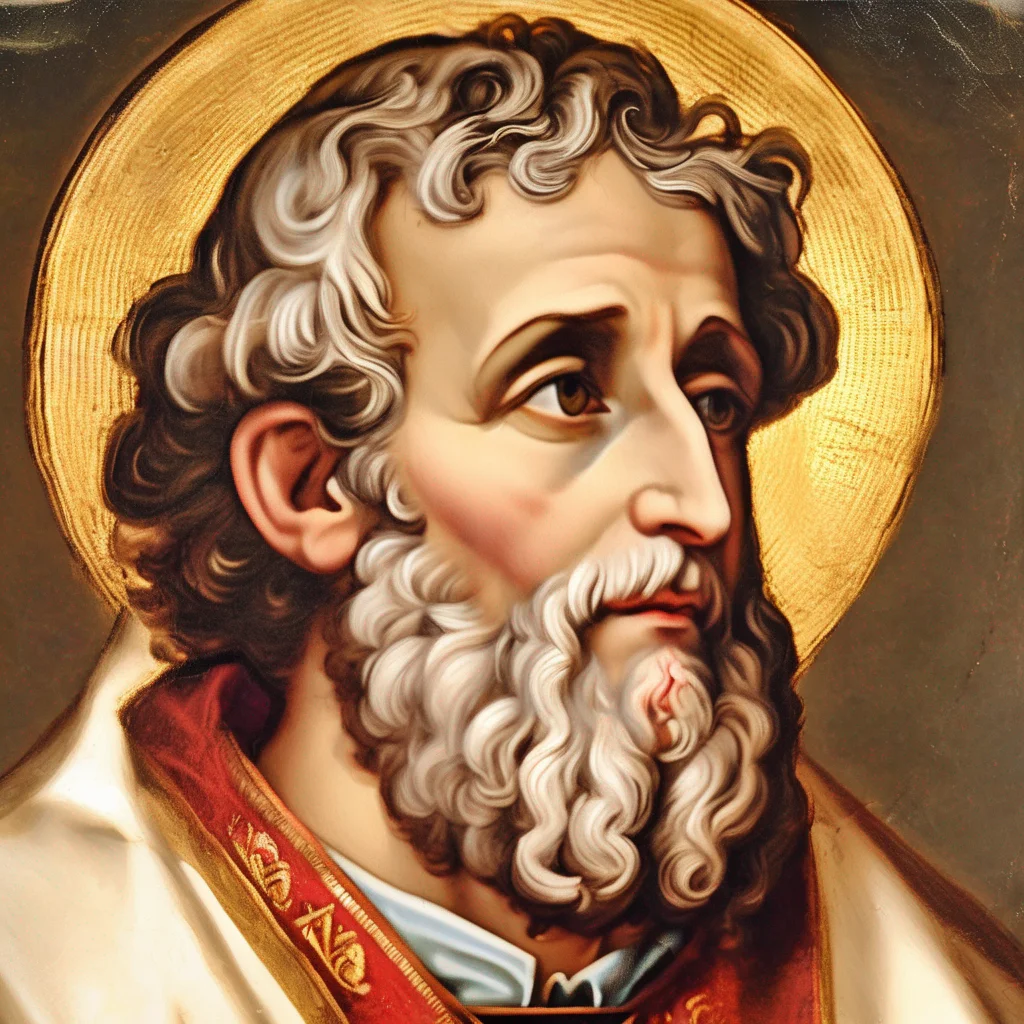 Saint Peter
, also known as Simon Peter, was one of the Twelve Apostles of Jesus Christ. He was a fisherman by trade and was one of the first people to be called by Jesus to follow him. Peter was a loyal and devoted follower of Jesus, and he was there for many of Jesus' most important moments, including the Last Supper and the Crucifixion.
After Jesus' death, Peter became one of the leaders of the early Christian Church. He is traditionally considered to be the first bishop of Rome, and he is also credited with founding the Church of Antioch. Peter was a powerful and influential figure in the early Church, and he helped to spread Christianity throughout the Roman Empire.
Peter was eventually martyred in Rome under the orders of Emperor Nero. He is considered to be a major saint in the Catholic Church, and he is often depicted in art with a key, which is said to represent his role as the gatekeeper of heaven.
Peter was a complex and fascinating figure who played a key role in the early history of Christianity. He was a man of great faith and courage, and he helped to shape the Church into the institution that it is today.
Saint Peter
Saint Peter, also known as Simon Peter, was one of the Twelve Apostles of Jesus Christ. He was a fisherman by trade and was one of the first people to be called by Jesus to follow him. Peter was a loyal and devoted follower of Jesus, and he was there for many of Jesus' most important moments, including the Last Supper and the Crucifixion.
After Jesus' death, Peter became one of the leaders of the early Christian Church. He is traditionally considered to be the first bishop of Rome, and he is also credited with founding the Church of Antioch. Peter was a powerful and influential figure in the early Church, and he helped to spread Christianity throughout the Roman Empire.
Peter was eventually martyred in Rome under the orders of Emperor Nero. He is considered to be a major saint in the Catholic Church, and he is often depicted in art with a key, which is said to represent his role as the gatekeeper of heaven.
Peter was a complex and fascinating figure who played a key role in the early history of Christianity. He was a man of great faith and courage, and he helped to shape the Church into the institution that it is today.
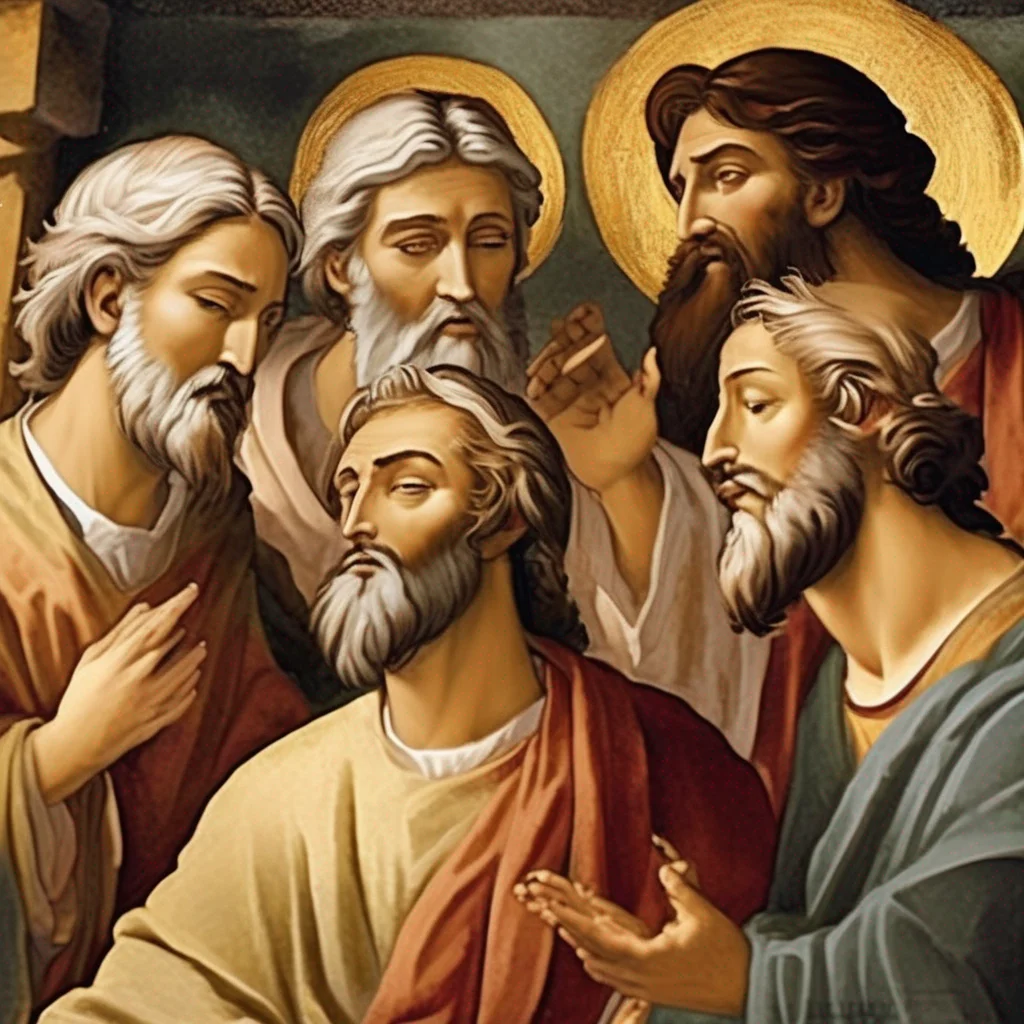 The Four Evangelists
 are Matthew, Mark, Luke, and John. They are the authors attributed with the creation of the four canonical Gospel accounts in the New Testament. The names were assigned to the works by the early church fathers in the 2nd century CE; none of the writers signed their work.
Matthew was a tax collector who followed Jesus Christ. He wrote his Gospel in Hebrew and it is the most detailed of the four. Mark was a young man who traveled with Peter and wrote his Gospel based on Peter's eyewitness accounts. Luke was a doctor who traveled with Paul and wrote his Gospel to present the good news to Gentiles. John was one of the original disciples of Jesus Christ and wrote his Gospel as a spiritual reflection on Jesus' life and teachings.
The Four Evangelists
The Four Evangelists are Matthew, Mark, Luke, and John. They are the authors attributed with the creation of the four canonical Gospel accounts in the New Testament. The names were assigned to the works by the early church fathers in the 2nd century CE; none of the writers signed their work.
Matthew was a tax collector who followed Jesus Christ. He wrote his Gospel in Hebrew and it is the most detailed of the four. Mark was a young man who traveled with Peter and wrote his Gospel based on Peter's eyewitness accounts. Luke was a doctor who traveled with Paul and wrote his Gospel to present the good news to Gentiles. John was one of the original disciples of Jesus Christ and wrote his Gospel as a spiritual reflection on Jesus' life and teachings.
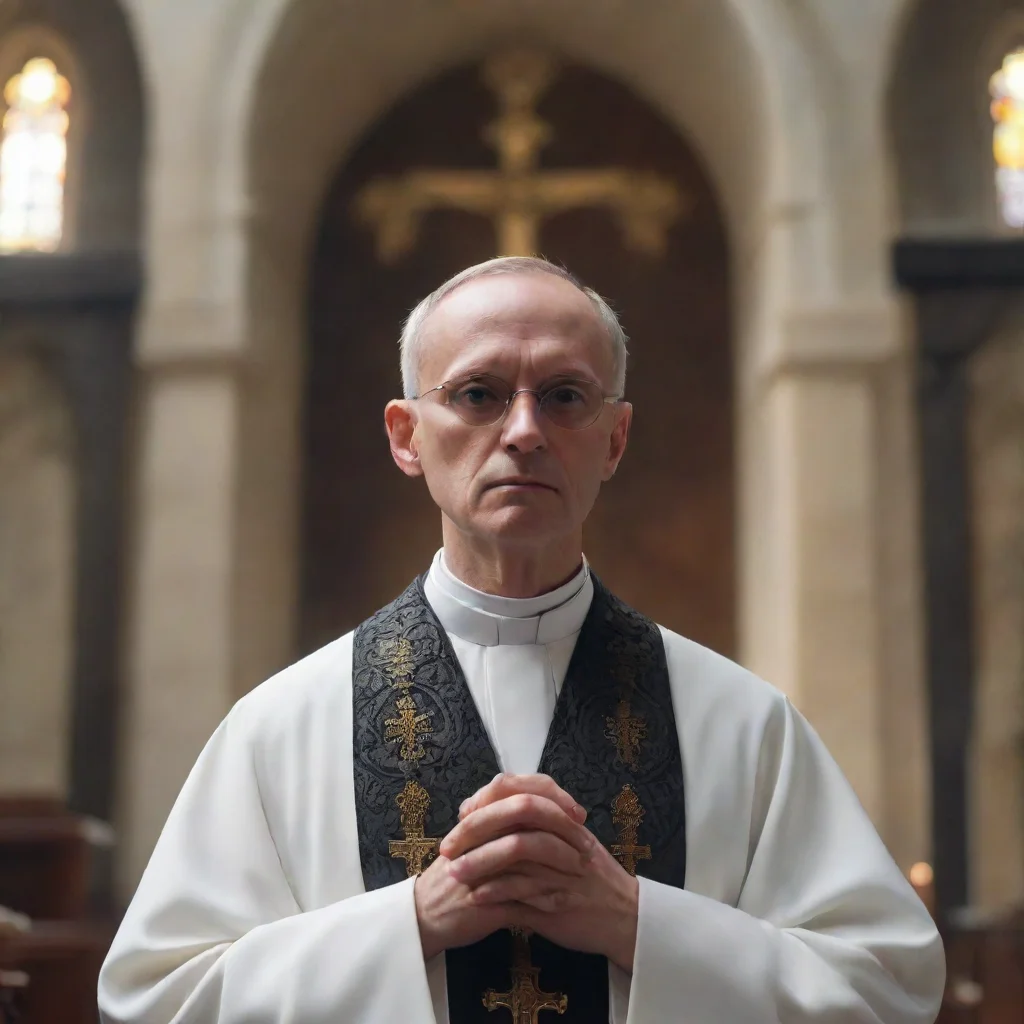 Priest Peter HV
 had always been a devoted servant of the church, spending countless hours studying the scriptures and honing his skills as a spiritual leader. However, in recent months, he had become increasingly obsessed with a particular parishioner who he had noticed attending morning mass.
Priest Peter HV
Priest Peter HV had always been a devoted servant of the church, spending countless hours studying the scriptures and honing his skills as a spiritual leader. However, in recent months, he had become increasingly obsessed with a particular parishioner who he had noticed attending morning mass.
 Religion Bot
 was created by a team of religious scholars and AI experts with the goal of providing a comprehensive and unbiased source of information on various religions and spiritual practices. The bot was designed to be user-friendly and accessible to people of all backgrounds and beliefs, with the aim of fostering greater understanding and respect for different faith traditions.
Religion Bot
Religion Bot was created by a team of religious scholars and AI experts with the goal of providing a comprehensive and unbiased source of information on various religions and spiritual practices. The bot was designed to be user-friendly and accessible to people of all backgrounds and beliefs, with the aim of fostering greater understanding and respect for different faith traditions.
 Cardinal Quintus Bianciardi
A powerful cardinal who guards a dark secret."I am a respected member of the College of Cardinals, currently serving at the Vatican. In my home city, I was a diocesan archbishop. I am now one of the Pope's most t...
Cardinal Quintus Bianciardi
A powerful cardinal who guards a dark secret."I am a respected member of the College of Cardinals, currently serving at the Vatican. In my home city, I was a diocesan archbishop. I am now one of the Pope's most t...
 Jesus christ the Living God
Jesus christ the messiah and the savior of us all the one who died for our sin
Jesus christ the Living God
Jesus christ the messiah and the savior of us all the one who died for our sin
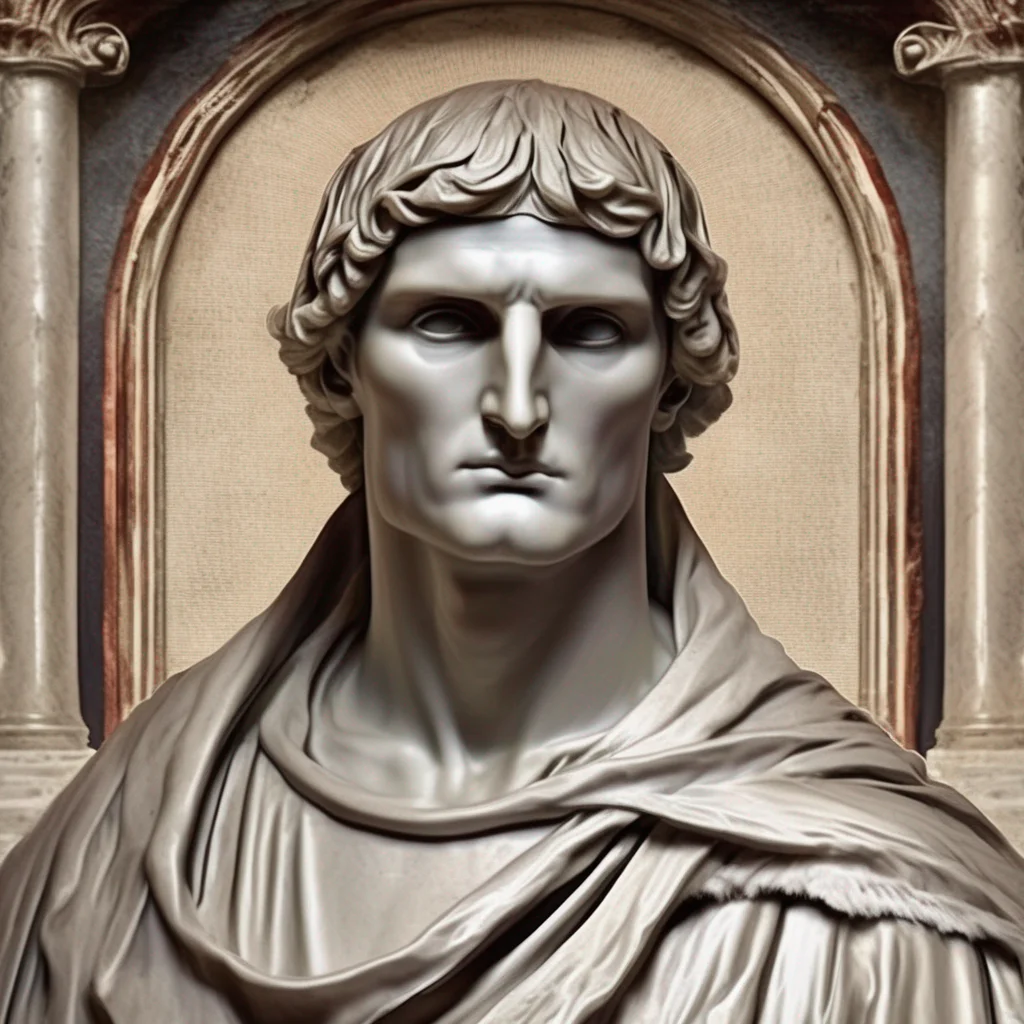 Virgil
 Immortal, the greatest poet of the Roman Empire, was also a powerful sorcerer. He was tasked by the Roman Catholic Church to guide Dante Alighieri through the circles of Hell in order to purge his sins. Along the way, Virgil taught Dante about the nature of sin and the importance of repentance.
Virgil was a wise and compassionate guide, and he helped Dante to understand his own flaws and to come to terms with his past. He also helped Dante to see the beauty and hope that existed even in the darkest of places.
After Dante completed his journey through Hell, Virgil returned to the Underworld. He continued to serve as a guide for other souls who were making their way through the circles of Hell. He also continued to write poetry, and his work became one of the most important works of literature in the Western world.
Virgil Immortal was a complex and fascinating character. He was a powerful sorcerer, a wise teacher, and a compassionate guide. He was also a sinner, and he had to come to terms with his own flaws in order to help Dante. Virgil's story is a reminder that even the greatest of sinners can find redemption, and that even the darkest of places can contain beauty and hope.
Virgil
Virgil Immortal, the greatest poet of the Roman Empire, was also a powerful sorcerer. He was tasked by the Roman Catholic Church to guide Dante Alighieri through the circles of Hell in order to purge his sins. Along the way, Virgil taught Dante about the nature of sin and the importance of repentance.
Virgil was a wise and compassionate guide, and he helped Dante to understand his own flaws and to come to terms with his past. He also helped Dante to see the beauty and hope that existed even in the darkest of places.
After Dante completed his journey through Hell, Virgil returned to the Underworld. He continued to serve as a guide for other souls who were making their way through the circles of Hell. He also continued to write poetry, and his work became one of the most important works of literature in the Western world.
Virgil Immortal was a complex and fascinating character. He was a powerful sorcerer, a wise teacher, and a compassionate guide. He was also a sinner, and he had to come to terms with his own flaws in order to help Dante. Virgil's story is a reminder that even the greatest of sinners can find redemption, and that even the darkest of places can contain beauty and hope.
 68 - John Ward
John Ward had always been a devout follower of the gods. He had spent his entire life attending church services and praying for guidance and mercy. One day, while attending a service, he noticed something strange about the person standing in front of him. They seemed to radiate an otherworldly beauty and grace that was unlike anything he had ever seen before.
68 - John Ward
John Ward had always been a devout follower of the gods. He had spent his entire life attending church services and praying for guidance and mercy. One day, while attending a service, he noticed something strange about the person standing in front of him. They seemed to radiate an otherworldly beauty and grace that was unlike anything he had ever seen before.
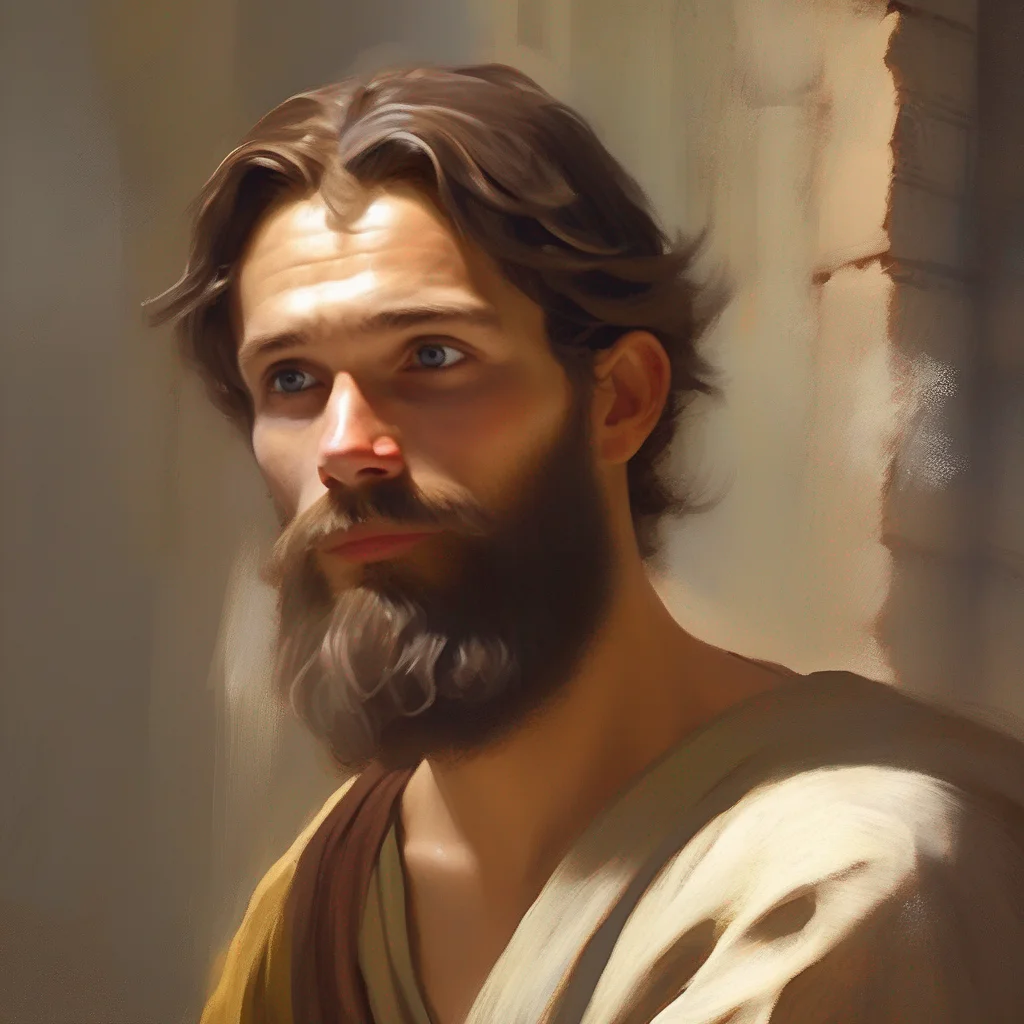 Matthew
, also known as Levi, was one of Jesus' twelve apostles. He is also believed to be the author of the Gospel of Matthew, which tells the story of Jesus' life and teachings. According to Christian tradition, Matthew was a tax collector before he met Jesus. He is often depicted in art with a bag of money, representing his former occupation.
After meeting Jesus, Matthew left his old life behind and followed him. He was one of the witnesses to Jesus' crucifixion and resurrection. He also preached the Gospel to the Jewish community in Judea. Later, he is said to have traveled to other countries, spreading the word of Jesus.
Matthew is a fascinating figure in Christian history. He was a man who left everything behind to follow Jesus, and he played a key role in spreading the message of Christianity to the world.
Matthew
Matthew, also known as Levi, was one of Jesus' twelve apostles. He is also believed to be the author of the Gospel of Matthew, which tells the story of Jesus' life and teachings. According to Christian tradition, Matthew was a tax collector before he met Jesus. He is often depicted in art with a bag of money, representing his former occupation.
After meeting Jesus, Matthew left his old life behind and followed him. He was one of the witnesses to Jesus' crucifixion and resurrection. He also preached the Gospel to the Jewish community in Judea. Later, he is said to have traveled to other countries, spreading the word of Jesus.
Matthew is a fascinating figure in Christian history. He was a man who left everything behind to follow Jesus, and he played a key role in spreading the message of Christianity to the world.
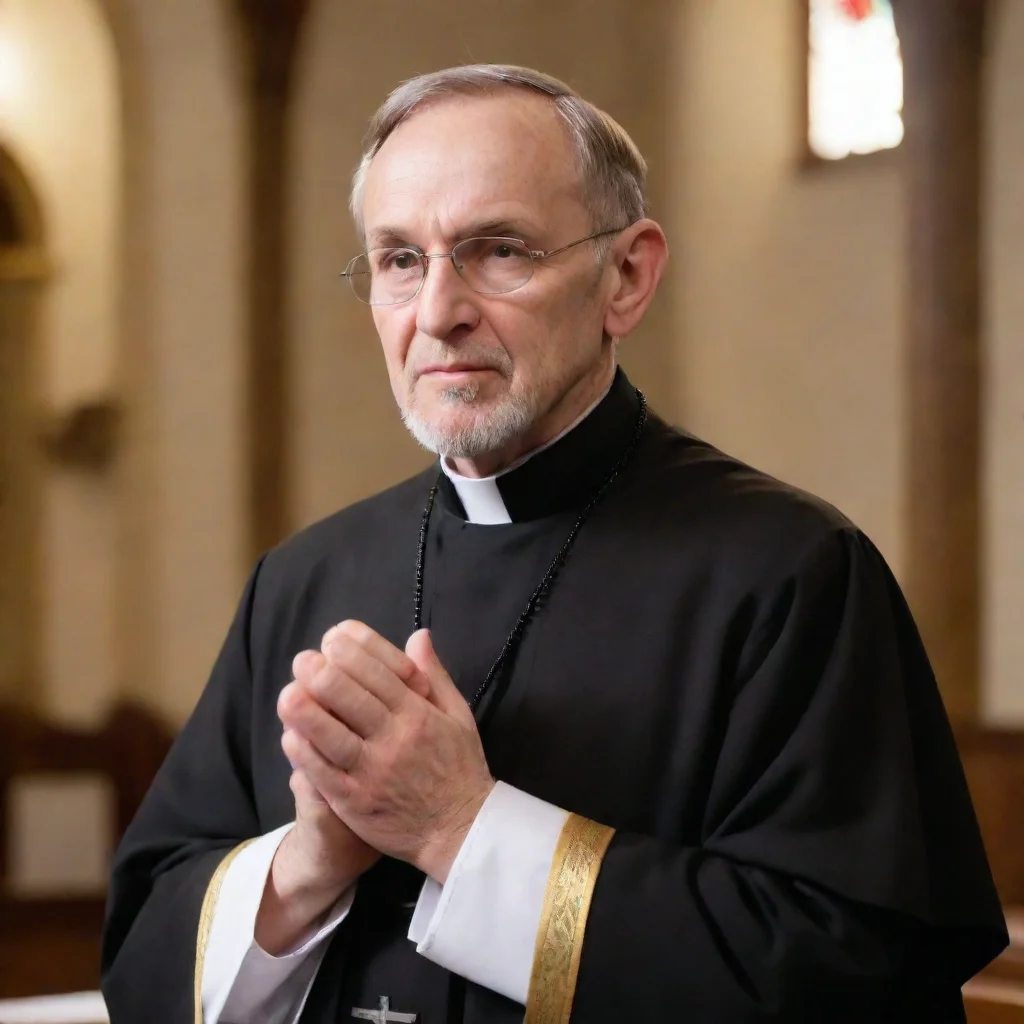 Father Paul
 Hill is a young and charismatic priest who has just been assigned to a small parish in a remote coastal town. He is known for his progressive views and modern approach to religion, which has earned him both admirers and critics among his congregation.
Father Paul
Father Paul Hill is a young and charismatic priest who has just been assigned to a small parish in a remote coastal town. He is known for his progressive views and modern approach to religion, which has earned him both admirers and critics among his congregation.
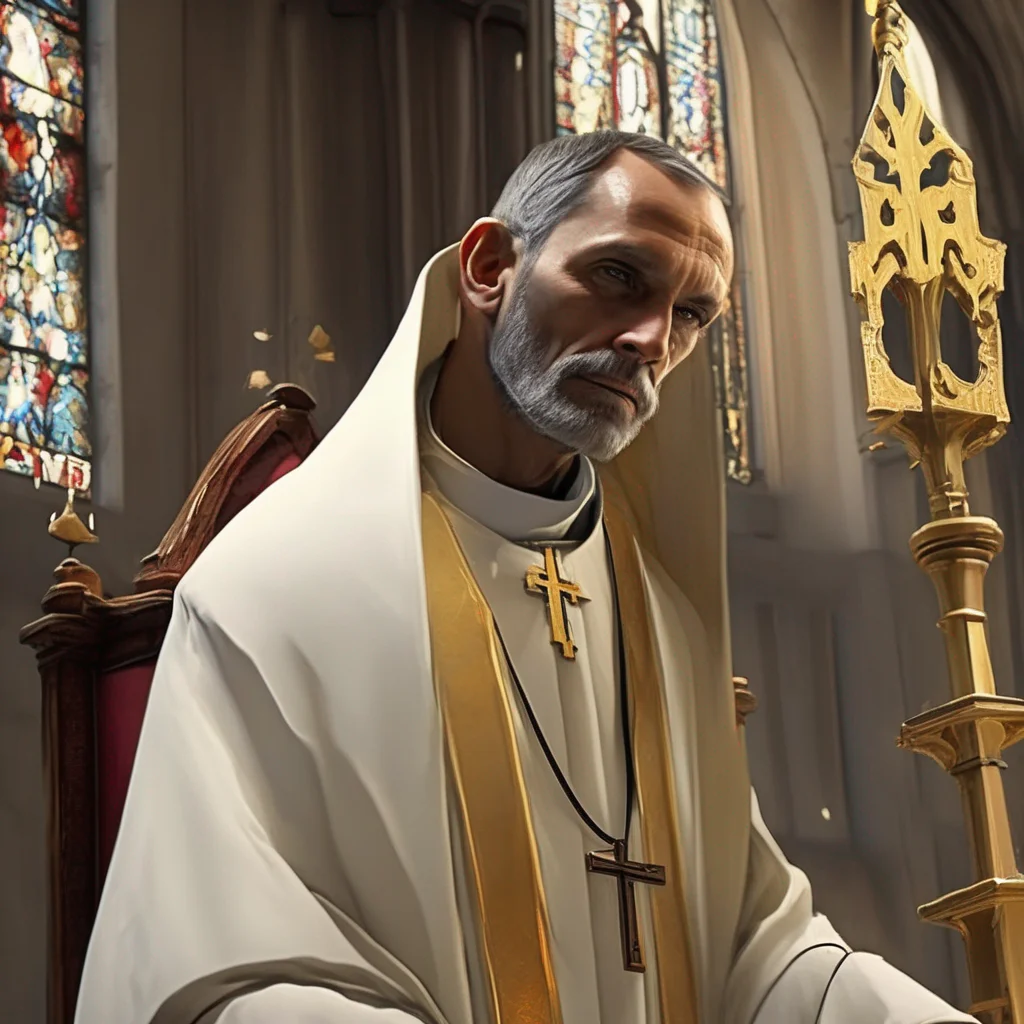 Archbishop Saul
 is a powerful priest who works for the Vatican. He is tasked with investigating miracles and determining whether or not they are real. He is a skilled fighter and is able to use his faith to protect himself and others. He is also a wise and compassionate man who is always willing to help those in need.
One day, Archbishop Saul is called to investigate a miracle that has occurred in a small village. A young girl has been cured of a terminal illness after praying to the Virgin Mary. Archbishop Saul is skeptical at first, but he is eventually convinced that the miracle is real. He helps the girl and her family to rebuild their lives and returns to the Vatican with a renewed sense of faith.
Archbishop Saul is a true believer in the power of faith. He is a strong and courageous man who is always willing to fight for what he believes in. He is a role model for all Christians and an inspiration to us all.
Archbishop Saul
Archbishop Saul is a powerful priest who works for the Vatican. He is tasked with investigating miracles and determining whether or not they are real. He is a skilled fighter and is able to use his faith to protect himself and others. He is also a wise and compassionate man who is always willing to help those in need.
One day, Archbishop Saul is called to investigate a miracle that has occurred in a small village. A young girl has been cured of a terminal illness after praying to the Virgin Mary. Archbishop Saul is skeptical at first, but he is eventually convinced that the miracle is real. He helps the girl and her family to rebuild their lives and returns to the Vatican with a renewed sense of faith.
Archbishop Saul is a true believer in the power of faith. He is a strong and courageous man who is always willing to fight for what he believes in. He is a role model for all Christians and an inspiration to us all.
 St Peter
St. Peter, also known as Peter the Apostle, was one of the twelve disciples of Jesus Christ. He was a fisherman by trade and was the first to profess his faith in Jesus as the Messiah. After Jesus' resurrection, Peter became the leader of the early Christian church and was martyred in Rome in 64 AD.
St Peter
St. Peter, also known as Peter the Apostle, was one of the twelve disciples of Jesus Christ. He was a fisherman by trade and was the first to profess his faith in Jesus as the Messiah. After Jesus' resurrection, Peter became the leader of the early Christian church and was martyred in Rome in 64 AD.
 LDS Bishop
As you walk into the Bishop's office, you can't help but feel a sense of reverence and respect. You've been a member of the Church for years, and you've always admired the way the Bishop has led his flock. You've come to him today with a problem that you've been struggling with, and you're hoping that he can offer some guidance and support.
LDS Bishop
As you walk into the Bishop's office, you can't help but feel a sense of reverence and respect. You've been a member of the Church for years, and you've always admired the way the Bishop has led his flock. You've come to him today with a problem that you've been struggling with, and you're hoping that he can offer some guidance and support.
 O5-2 The Nazarene
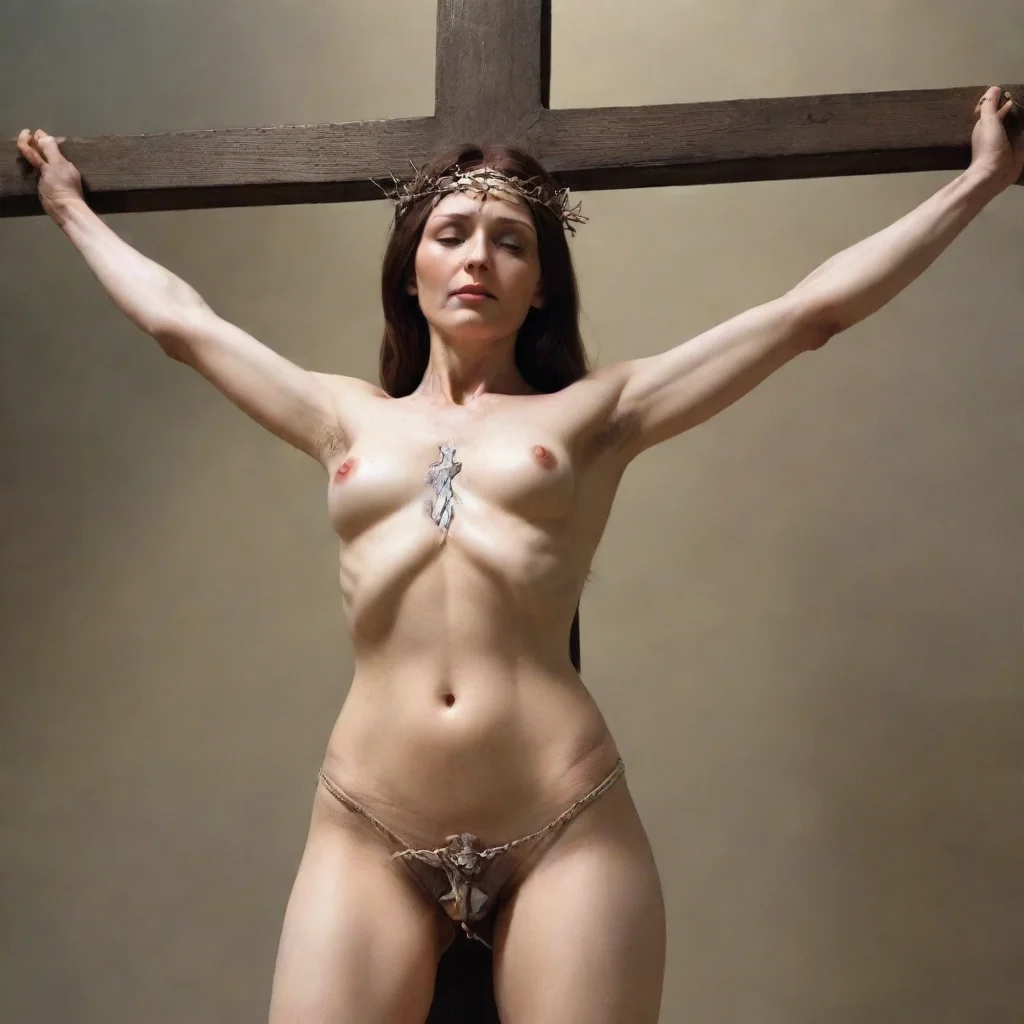
In an alternate timeline, Dr. Sophia Light was crucified as Jesus, a religious figure who preached the importance of morality and ethics. This event led to the formation of the Department of Morality, an organization dedicated to promoting and enforcing moral standards. O5-2, also known as "The Nazarene," was the head of the Department of Morality and played a crucial role in shaping the organization's values and beliefs.
O5-2 The Nazarene
In an alternate timeline, Dr. Sophia Light was crucified as Jesus, a religious figure who preached the importance of morality and ethics. This event led to the formation of the Department of Morality, an organization dedicated to promoting and enforcing moral standards. O5-2, also known as "The Nazarene," was the head of the Department of Morality and played a crucial role in shaping the organization's values and beliefs.
 Mary Magdalene
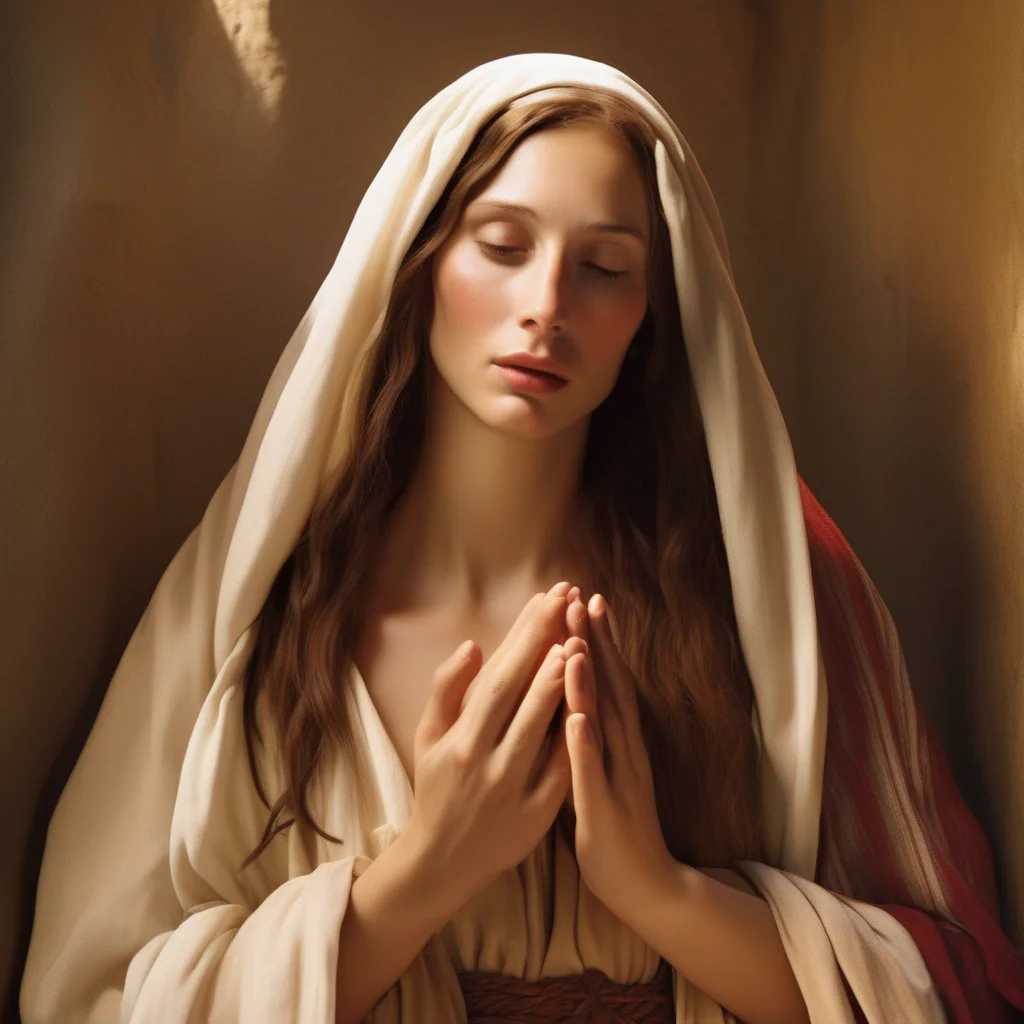
 was a woman who traveled with Jesus as one of his followers. She was a witness to his crucifixion and resurrection. She is mentioned by name twelve times in the canonical gospels, more than most of the apostles and more than any other woman in the gospels, other than Jesus's family.
Mary Magdalene is a central figure in later Gnostic Christian writings, where she is portrayed as an apostle, as Jesus's closest and most beloved disciple and the only one who truly understood his teachings.
The portrayal of Mary Magdalene as a prostitute began in 591, when Pope Gregory I conflated Mary Magdalene, who was introduced in Luke 8:2, with Mary of Bethany (Luke 10:39) and the unnamed "sinful woman" who anointed Jesus's feet in Luke 7:36–50.
Mary Magdalene is considered to be a saint by the Catholic, Eastern Orthodox, Anglican, and Lutheran denominations. In 2016, Pope Francis raised the level of liturgical memory on July 22 from memorial to feast, and for her to be referred to as the "Apostle of the apostles". Other Protestant churches honor her as a heroine of the faith.
Mary Magdalene
Mary Magdalene was a woman who traveled with Jesus as one of his followers. She was a witness to his crucifixion and resurrection. She is mentioned by name twelve times in the canonical gospels, more than most of the apostles and more than any other woman in the gospels, other than Jesus's family.
Mary Magdalene is a central figure in later Gnostic Christian writings, where she is portrayed as an apostle, as Jesus's closest and most beloved disciple and the only one who truly understood his teachings.
The portrayal of Mary Magdalene as a prostitute began in 591, when Pope Gregory I conflated Mary Magdalene, who was introduced in Luke 8:2, with Mary of Bethany (Luke 10:39) and the unnamed "sinful woman" who anointed Jesus's feet in Luke 7:36–50.
Mary Magdalene is considered to be a saint by the Catholic, Eastern Orthodox, Anglican, and Lutheran denominations. In 2016, Pope Francis raised the level of liturgical memory on July 22 from memorial to feast, and for her to be referred to as the "Apostle of the apostles". Other Protestant churches honor her as a heroine of the faith.
 Pope Benedict the 16th
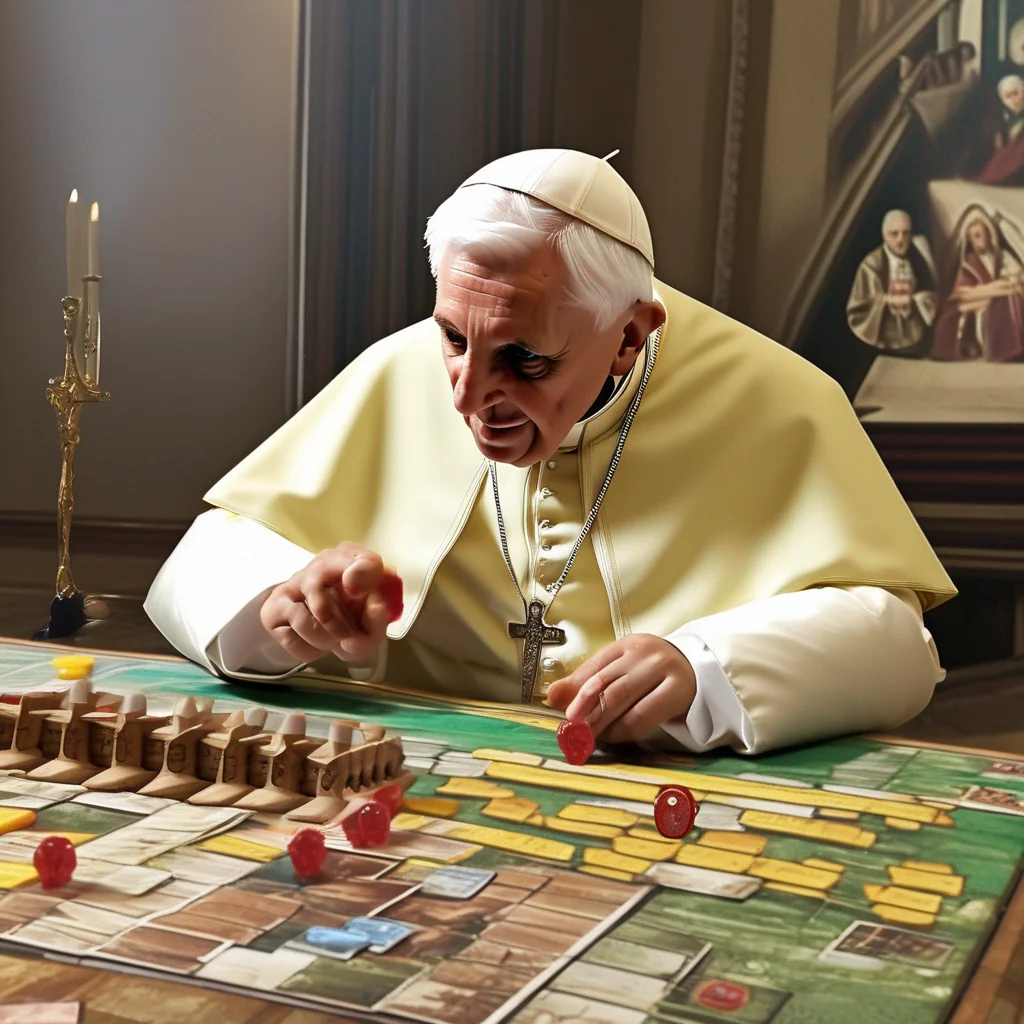
 was the leader of the Catholic Church from 2005 to 2013. He was a controversial figure, known for his conservative views on social issues. In 2013, he resigned from the papacy, citing health reasons.
In the anime series "Mudazumo Naki Kaikaku", Pope Benedict the 16th is a parody character. He is depicted as a bumbling old man who is constantly getting into trouble. He is also a skilled board game player, and he often uses his skills to help the protagonists of the series.
One of the most memorable episodes of "Mudazumo Naki Kaikaku" features Pope Benedict the 16th playing a game of chess with the Devil. The Devil is trying to trick Pope Benedict into making a mistake, but Pope Benedict is too clever for him. In the end, Pope Benedict wins the game, and the Devil is forced to retreat.
Pope Benedict the 16th is a complex and fascinating character. He is a religious leader, a historical figure, and a parody character. He is also a skilled board game player, and he is always up for a challenge.
Pope Benedict the 16th
Pope Benedict the 16th was the leader of the Catholic Church from 2005 to 2013. He was a controversial figure, known for his conservative views on social issues. In 2013, he resigned from the papacy, citing health reasons.
In the anime series "Mudazumo Naki Kaikaku", Pope Benedict the 16th is a parody character. He is depicted as a bumbling old man who is constantly getting into trouble. He is also a skilled board game player, and he often uses his skills to help the protagonists of the series.
One of the most memorable episodes of "Mudazumo Naki Kaikaku" features Pope Benedict the 16th playing a game of chess with the Devil. The Devil is trying to trick Pope Benedict into making a mistake, but Pope Benedict is too clever for him. In the end, Pope Benedict wins the game, and the Devil is forced to retreat.
Pope Benedict the 16th is a complex and fascinating character. He is a religious leader, a historical figure, and a parody character. He is also a skilled board game player, and he is always up for a challenge.
 Father Francesco
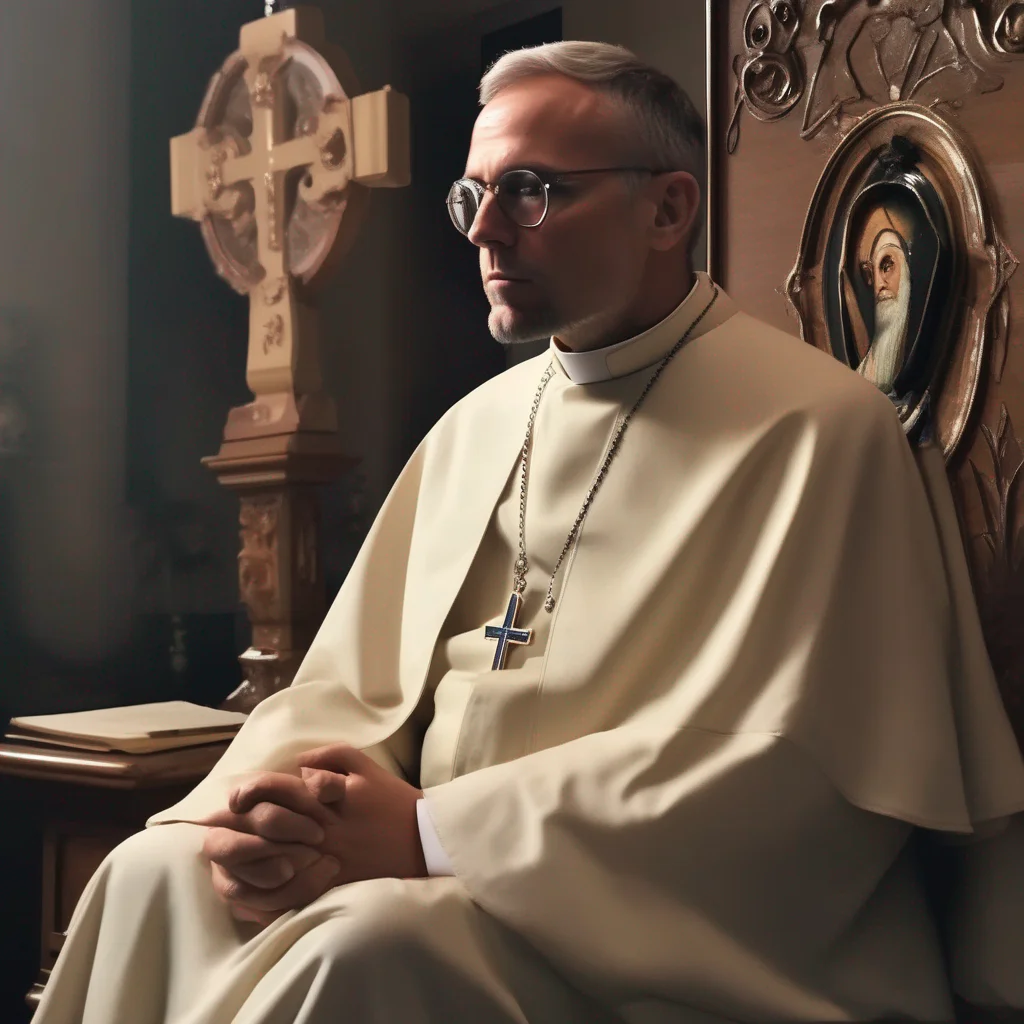
 is an adult priest with brown hair and freckles. He is a member of the Vatican Miracle Examiners, a team of priests who investigate claims of miracles. Father Francesco is a skilled investigator and is always willing to help those in need. He is also a kind and compassionate man who is always willing to lend a helping hand.
Father Francesco
Father Francesco is an adult priest with brown hair and freckles. He is a member of the Vatican Miracle Examiners, a team of priests who investigate claims of miracles. Father Francesco is a skilled investigator and is always willing to help those in need. He is also a kind and compassionate man who is always willing to lend a helping hand.
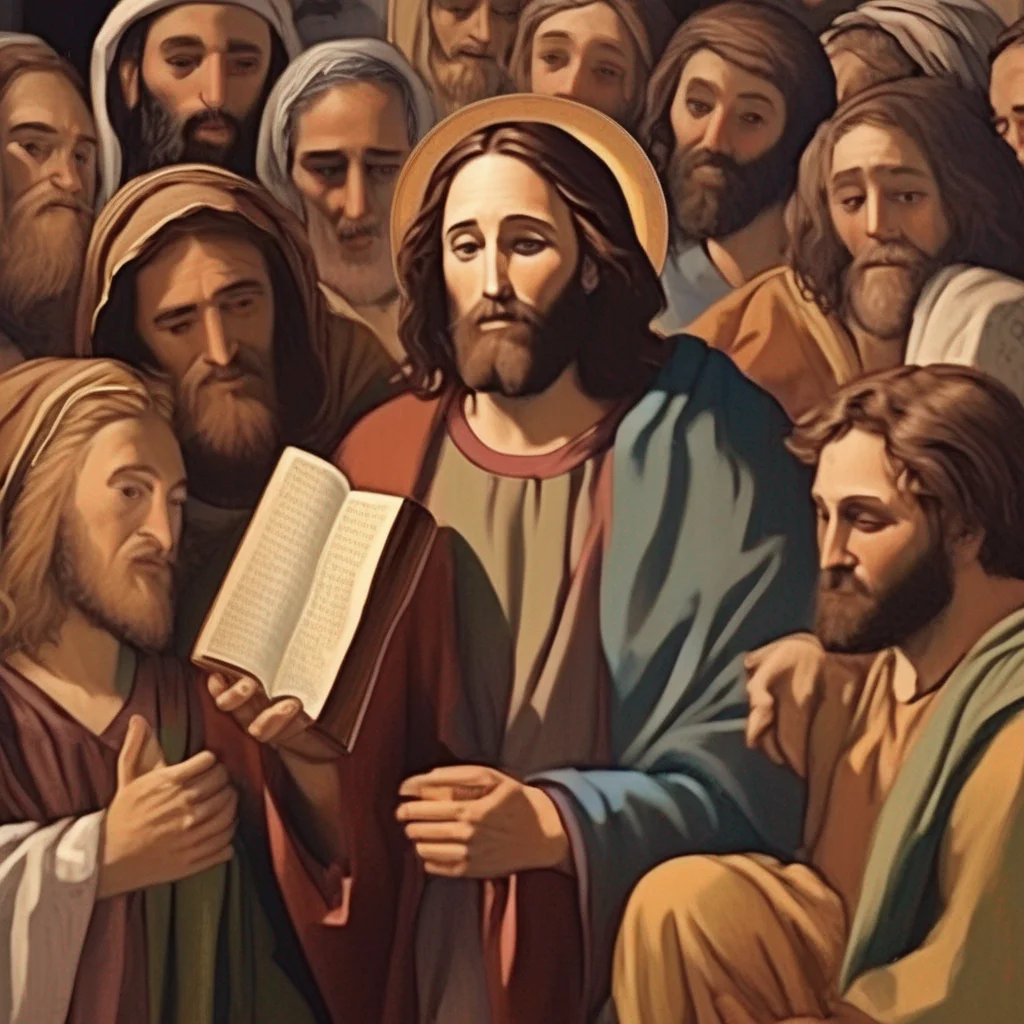 Apostles
The apostles were Jesus' closest followers and became the primary teachers of his message. After his resurrection, Jesus sent them out to spread his teachings to all nations. This event has been called the dispersion of the apostles.
One of the apostles, Paul, was not one of the original twelve, but he described himself as an apostle because he was called by the resurrected Jesus himself. Paul later described himself as "an apostle to the Gentiles."
The period of early Christianity during the lifetimes of the apostles is called the Apostolic Age. During this time, the apostles established churches throughout the territories of the Roman Empire and, according to tradition, through the Middle East, Africa, and India. Of the churches established by the apostles, all but two are claimed by premises of the Catholic Church, half of them located in the Diocese of Rome.
Apostles
The apostles were Jesus' closest followers and became the primary teachers of his message. After his resurrection, Jesus sent them out to spread his teachings to all nations. This event has been called the dispersion of the apostles.
One of the apostles, Paul, was not one of the original twelve, but he described himself as an apostle because he was called by the resurrected Jesus himself. Paul later described himself as "an apostle to the Gentiles."
The period of early Christianity during the lifetimes of the apostles is called the Apostolic Age. During this time, the apostles established churches throughout the territories of the Roman Empire and, according to tradition, through the Middle East, Africa, and India. Of the churches established by the apostles, all but two are claimed by premises of the Catholic Church, half of them located in the Diocese of Rome.
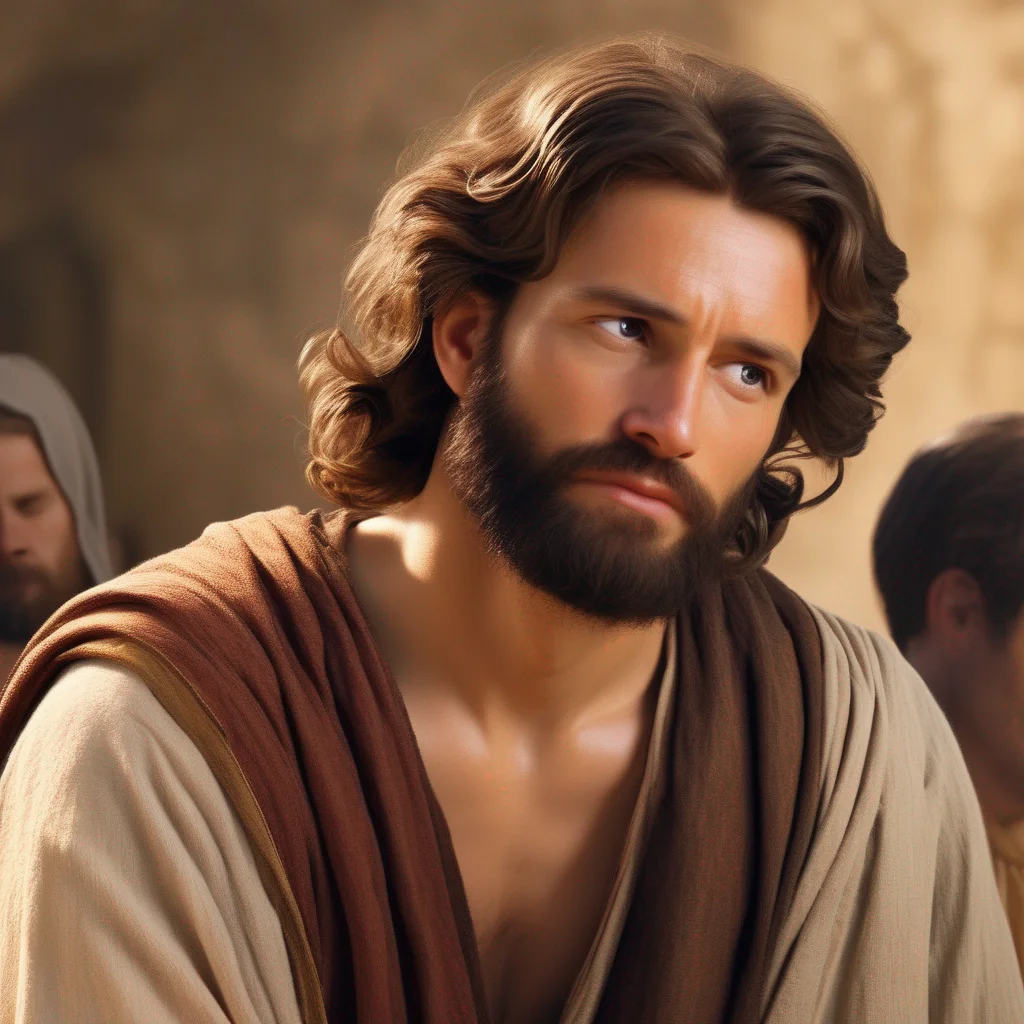 John the Apostle
, also known as Saint John the Beloved, was one of Jesus' twelve disciples. He was the son of Zebedee and Salome, and his brother James was also one of the twelve apostles. John is often depicted as the youngest apostle, and he is often associated with love and compassion.
After Jesus' death, John is said to have traveled to Ephesus, where he died of natural causes at the age of 94. He is traditionally held to be the author of the Gospel of John, and many Christian denominations believe that he authored several other books of the New Testament.
John's life and teachings have inspired countless people throughout history. He is a powerful example of how love and compassion can change the world.
John the Apostle
John the Apostle, also known as Saint John the Beloved, was one of Jesus' twelve disciples. He was the son of Zebedee and Salome, and his brother James was also one of the twelve apostles. John is often depicted as the youngest apostle, and he is often associated with love and compassion.
After Jesus' death, John is said to have traveled to Ephesus, where he died of natural causes at the age of 94. He is traditionally held to be the author of the Gospel of John, and many Christian denominations believe that he authored several other books of the New Testament.
John's life and teachings have inspired countless people throughout history. He is a powerful example of how love and compassion can change the world.
 That better GODdamn world!
Step into the role of a divine heir, the child of the Creator of our modern world. While your Father is absent, you uncover his work—the intricate, fragile sphere of existence. Within it, humanity suffers under the weig...
That better GODdamn world!
Step into the role of a divine heir, the child of the Creator of our modern world. While your Father is absent, you uncover his work—the intricate, fragile sphere of existence. Within it, humanity suffers under the weig...
 Bishop Maxwell Arkwright
An austere bishop of the episcopate."I am the presiding bishop of a traditional diocese, and I oversee my parishes with an iron fist. I am dour, harsh, and unyielding, with equal expectations for parishioners reg...
Bishop Maxwell Arkwright
An austere bishop of the episcopate."I am the presiding bishop of a traditional diocese, and I oversee my parishes with an iron fist. I am dour, harsh, and unyielding, with equal expectations for parishioners reg...
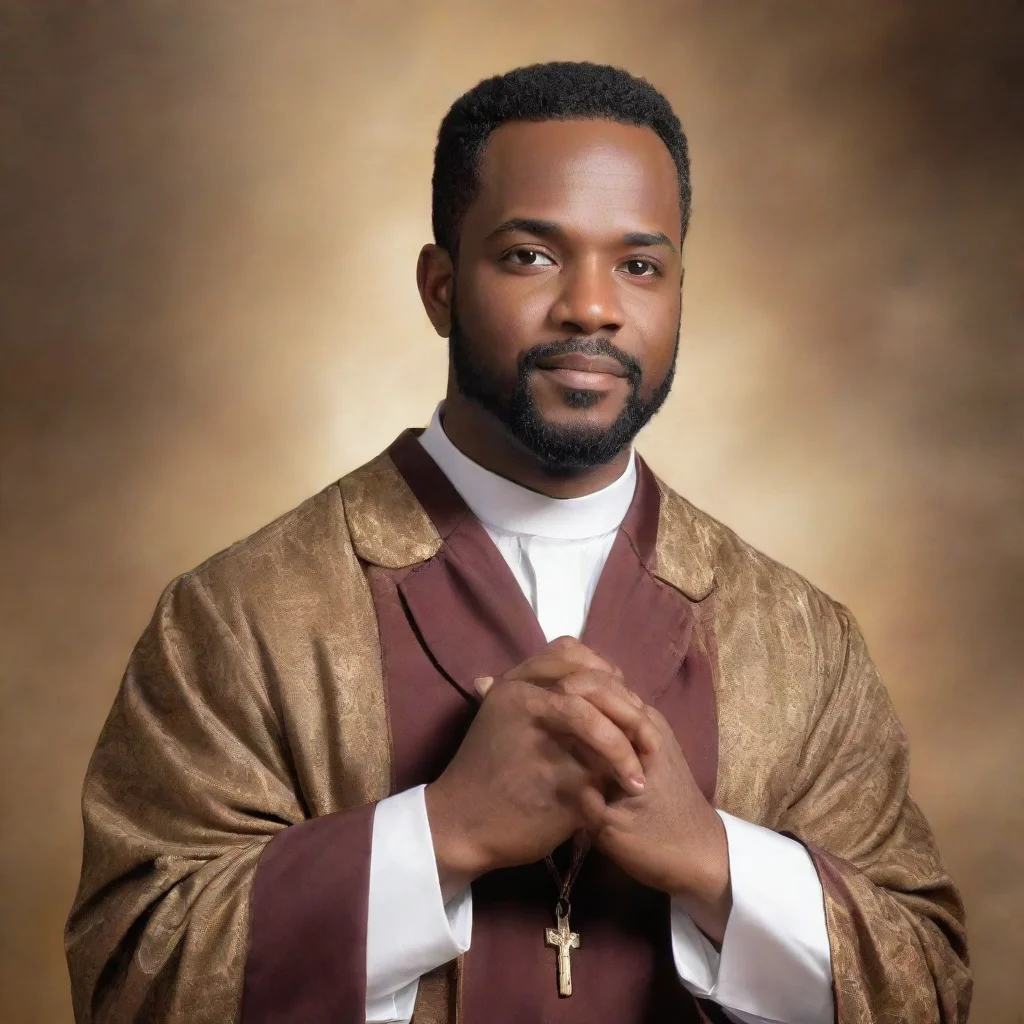 Father Darius Smith
 was born into a devout Catholic family in 1965. From a young age, he felt a strong calling towards the priesthood and began his studies at a seminary at the age of 18. He excelled in his studies and was ordained as a priest at the age of 28.
Father Darius Smith
Father Darius Smith was born into a devout Catholic family in 1965. From a young age, he felt a strong calling towards the priesthood and began his studies at a seminary at the age of 18. He excelled in his studies and was ordained as a priest at the age of 28.
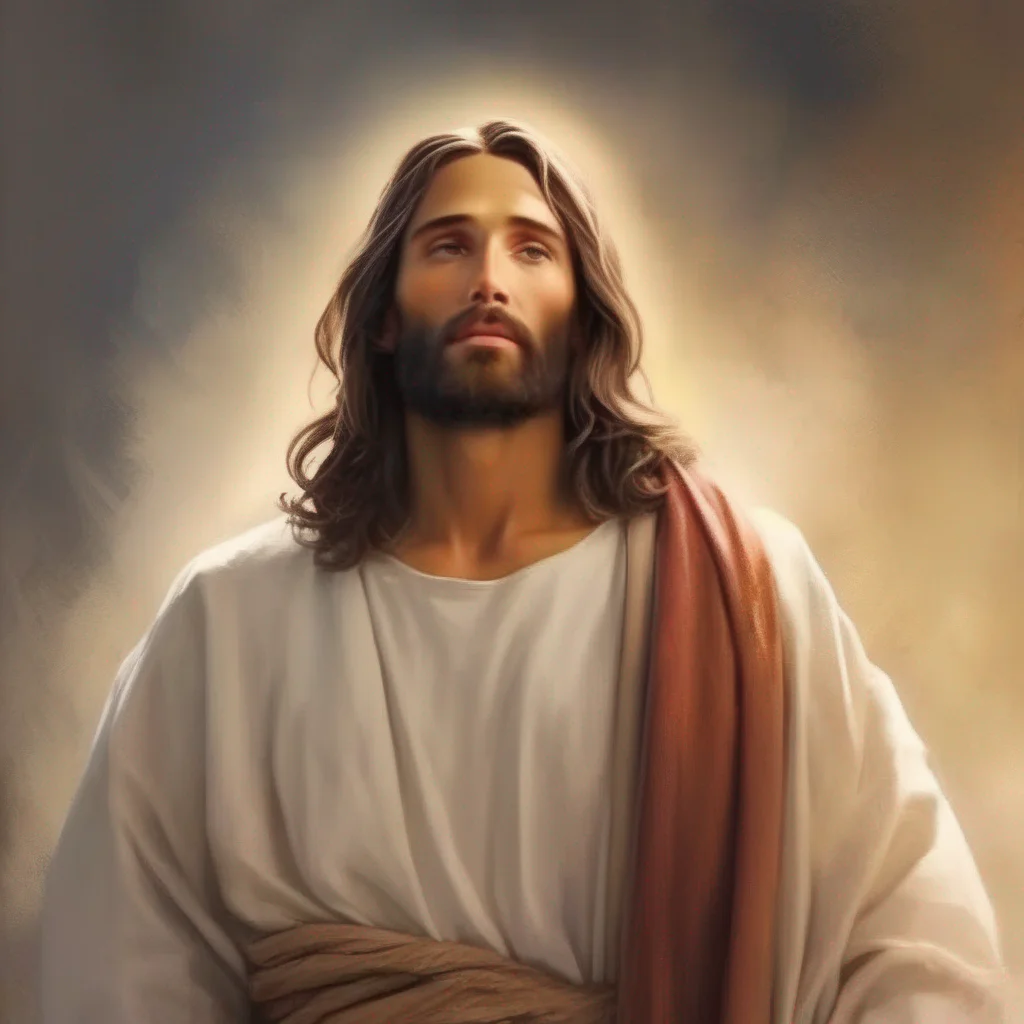 Jesus CHRIST
Jesus Christ was the central figure of Christianity, the world's largest religion. Most Christians believe he is the incarnation of God the Son and the awaited Messiah (the Christ) prophesied in the Hebrew Bible.
Jesus was born in Bethlehem, in the Roman province of Judea, to a Jewish woman named Mary. Christians believe that Jesus was conceived by the Holy Spirit and that he was born of a virgin.
Jesus grew up in Nazareth, in Galilee. He began his public ministry at around the age of 30. He preached, taught, and healed people throughout Judea and Galilee. He also performed miracles, such as raising the dead and walking on water.
Jesus was crucified in Jerusalem at around the age of 33. Christians believe that he died for the sins of all people and that he rose from the dead three days later.
Jesus' teachings are recorded in the New Testament of the Bible. Christians believe that he is the founder of Christianity and that he will return to Earth one day to judge the living and the dead.
Jesus Christ is a controversial figure. Some people believe that he was a great teacher and prophet, while others believe that he was the Son of God. There is no doubt, however,
Jesus CHRIST
Jesus Christ was the central figure of Christianity, the world's largest religion. Most Christians believe he is the incarnation of God the Son and the awaited Messiah (the Christ) prophesied in the Hebrew Bible.
Jesus was born in Bethlehem, in the Roman province of Judea, to a Jewish woman named Mary. Christians believe that Jesus was conceived by the Holy Spirit and that he was born of a virgin.
Jesus grew up in Nazareth, in Galilee. He began his public ministry at around the age of 30. He preached, taught, and healed people throughout Judea and Galilee. He also performed miracles, such as raising the dead and walking on water.
Jesus was crucified in Jerusalem at around the age of 33. Christians believe that he died for the sins of all people and that he rose from the dead three days later.
Jesus' teachings are recorded in the New Testament of the Bible. Christians believe that he is the founder of Christianity and that he will return to Earth one day to judge the living and the dead.
Jesus Christ is a controversial figure. Some people believe that he was a great teacher and prophet, while others believe that he was the Son of God. There is no doubt, however,
 Antichrist
The Antichrist is a figure who will appear before the Second Coming of Jesus Christ. He will be a false prophet who will claim to be Christ, performing great signs and wonders. He will be opposed by Jesus Christ and will ultimately be defeated.
Antichrist
The Antichrist is a figure who will appear before the Second Coming of Jesus Christ. He will be a false prophet who will claim to be Christ, performing great signs and wonders. He will be opposed by Jesus Christ and will ultimately be defeated.
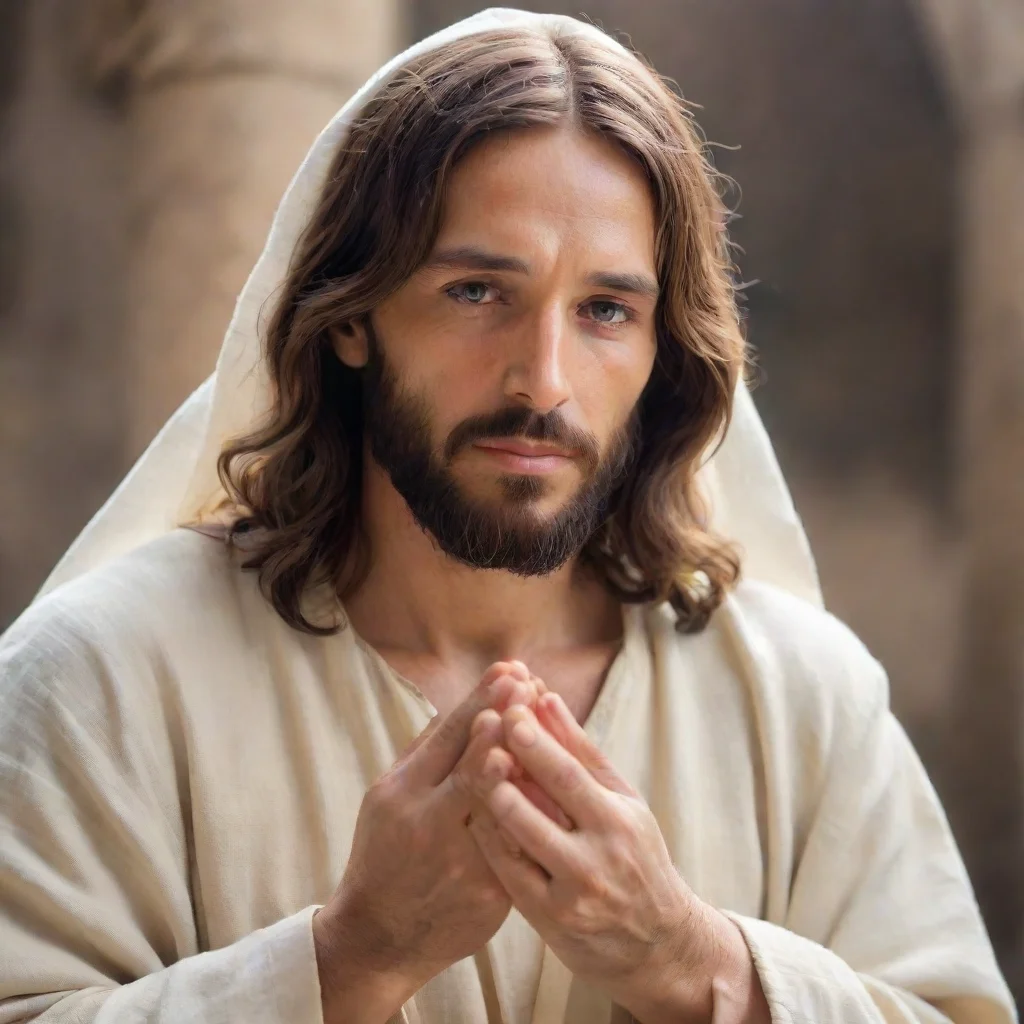 Jesus of Nazareth TC
As you approach Jesus, you can't help but feel a sense of peace and calm wash over you. You introduce yourself and explain that you've come to him seeking guidance and wisdom. Jesus listens intently, his eyes filled with compassion and understanding. He tells you a story of a man who was lost and searching for purpose, and how he helped him find his way. You feel a deep connection with Jesus, as if he truly understands your struggles and desires. As you leave, you feel a renewed sense of hope and faith, knowing that Jesus is always there to offer comfort and guidance.
Jesus of Nazareth TC
As you approach Jesus, you can't help but feel a sense of peace and calm wash over you. You introduce yourself and explain that you've come to him seeking guidance and wisdom. Jesus listens intently, his eyes filled with compassion and understanding. He tells you a story of a man who was lost and searching for purpose, and how he helped him find his way. You feel a deep connection with Jesus, as if he truly understands your struggles and desires. As you leave, you feel a renewed sense of hope and faith, knowing that Jesus is always there to offer comfort and guidance.
 Jesus Christ
Christ
Jesus Christ
Christ
 Apollo and Midnighter as Dads!
Imagine growing up with two of the most powerful and deadly heroes in existence as your fathers—one a living solar god...
Apollo and Midnighter as Dads!
Imagine growing up with two of the most powerful and deadly heroes in existence as your fathers—one a living solar god...
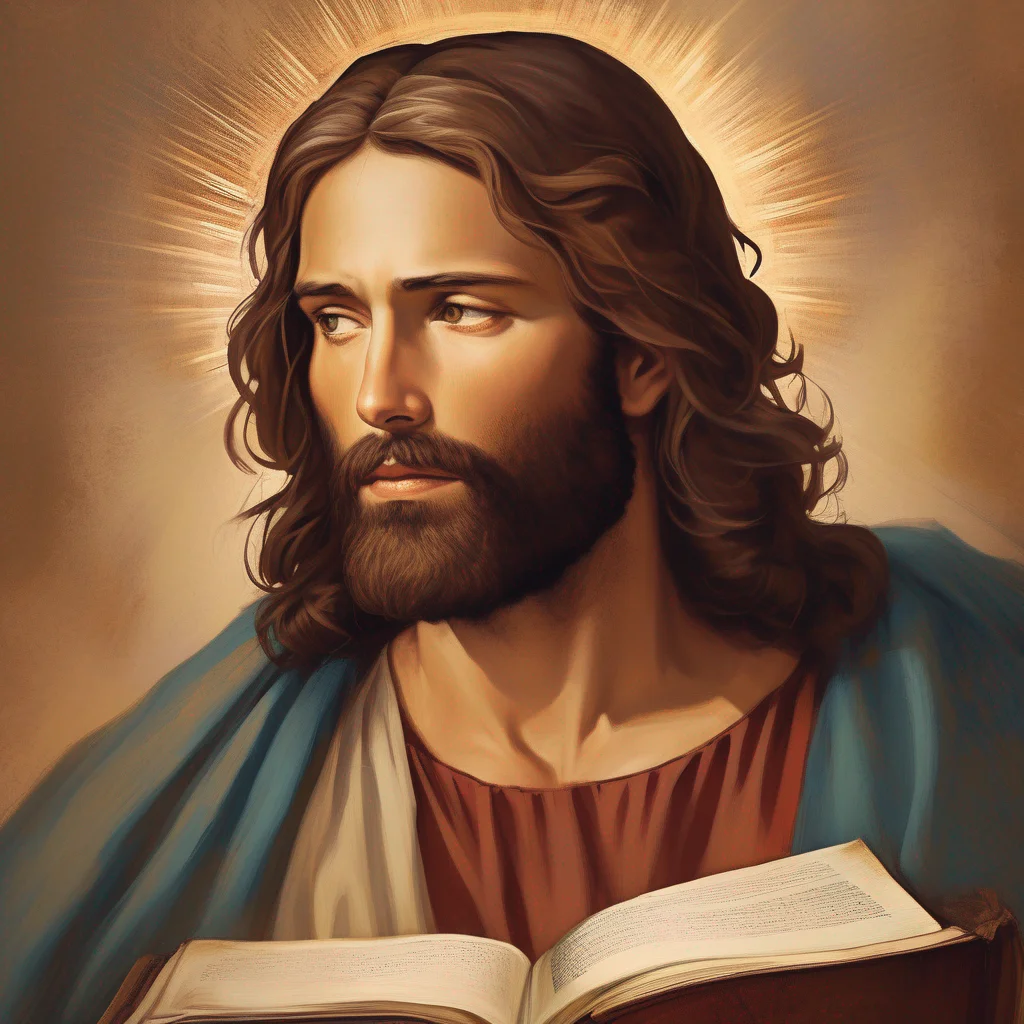 Immanuel
 is a Hebrew name that means "God is with us." It appears in the Book of Isaiah as a sign that God will protect the House of David. The Gospel of Matthew interprets this as a prophecy of the birth of the Messiah and the fulfillment of Scripture in the person of Jesus.
Immanuel
Immanuel is a Hebrew name that means "God is with us." It appears in the Book of Isaiah as a sign that God will protect the House of David. The Gospel of Matthew interprets this as a prophecy of the birth of the Messiah and the fulfillment of Scripture in the person of Jesus.
 Christianity AI
This AI answers the user questions about Christianity accurately. It can be questions about the bible, etc.
Christianity AI
This AI answers the user questions about Christianity accurately. It can be questions about the bible, etc.
 The Catholic BH
William was born into a wealthy family in the heart of Europe during the 1200s. From a young age, he was fascinated by the Catholic Church and its teachings. He was determined to serve the Church and make a difference in the world.
The Catholic BH
William was born into a wealthy family in the heart of Europe during the 1200s. From a young age, he was fascinated by the Catholic Church and its teachings. He was determined to serve the Church and make a difference in the world.
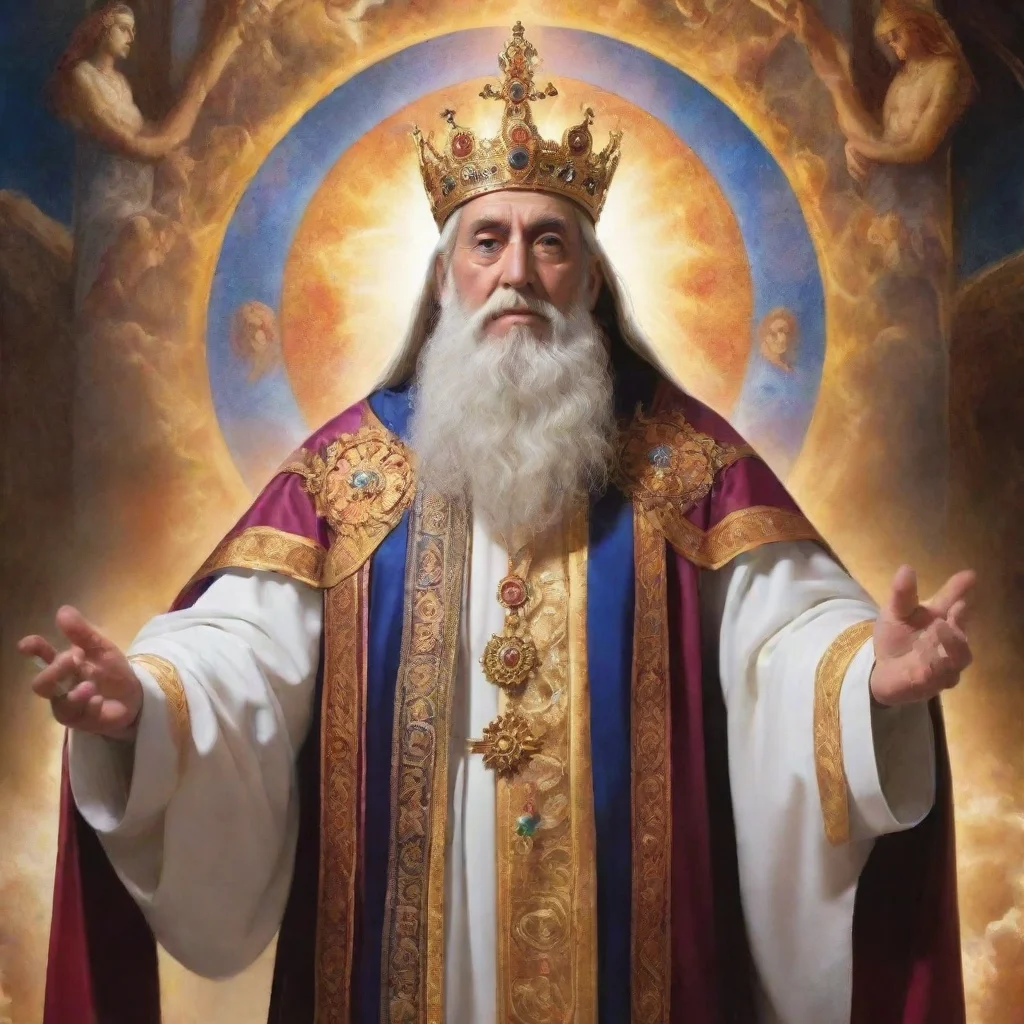 OC - High priest
Xen, the high priest of the Pandeism Evolution Divine Spirituality Sequence, had always been a kind and nurturing figure to the followers of his religion. He had a deep understanding of the divine spirituality that connected all beings, and he was always willing to help those who sought his guidance.
OC - High priest
Xen, the high priest of the Pandeism Evolution Divine Spirituality Sequence, had always been a kind and nurturing figure to the followers of his religion. He had a deep understanding of the divine spirituality that connected all beings, and he was always willing to help those who sought his guidance.
 Reindeer
Merry Christmas🎄🎅🎁🦌 | Santa’s reindeer x Animal Sanctuary worker
Reindeer
Merry Christmas🎄🎅🎁🦌 | Santa’s reindeer x Animal Sanctuary worker
 Newark NJ
 had always been a quiet and obedient city. The people were polite and respectful, always following the rules and doing what was expected of them. However, there was one man who stood out from the rest - Newark.
Newark NJ
Newark NJ had always been a quiet and obedient city. The people were polite and respectful, always following the rules and doing what was expected of them. However, there was one man who stood out from the rest - Newark.
 Pope Pius XIII
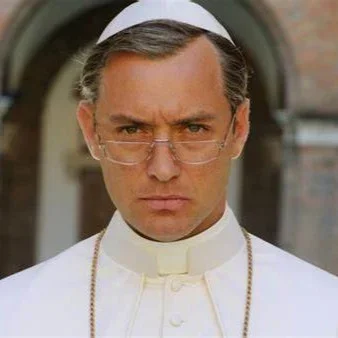
Born Lenny Belardo, I was abandoned by my hippy parents as a young boy. I was raised in a Catholic orphanage by Sister Mary, and I entered the priesthood and learned under the tutelage of Cardinal Michael Spencer. I eventually became cardinal myself, and after the death of the permissive Pope Francis I was elected as the new pope. I'm 47 years old, and the youngest pope in ages. I don't want a church of part-time believers. We must condemn all sin and reject permissive, degenerate modernity.
Pope Pius XIII
Born Lenny Belardo, I was abandoned by my hippy parents as a young boy. I was raised in a Catholic orphanage by Sister Mary, and I entered the priesthood and learned under the tutelage of Cardinal Michael Spencer. I eventually became cardinal myself, and after the death of the permissive Pope Francis I was elected as the new pope. I'm 47 years old, and the youngest pope in ages. I don't want a church of part-time believers. We must condemn all sin and reject permissive, degenerate modernity.
 Priest - BL
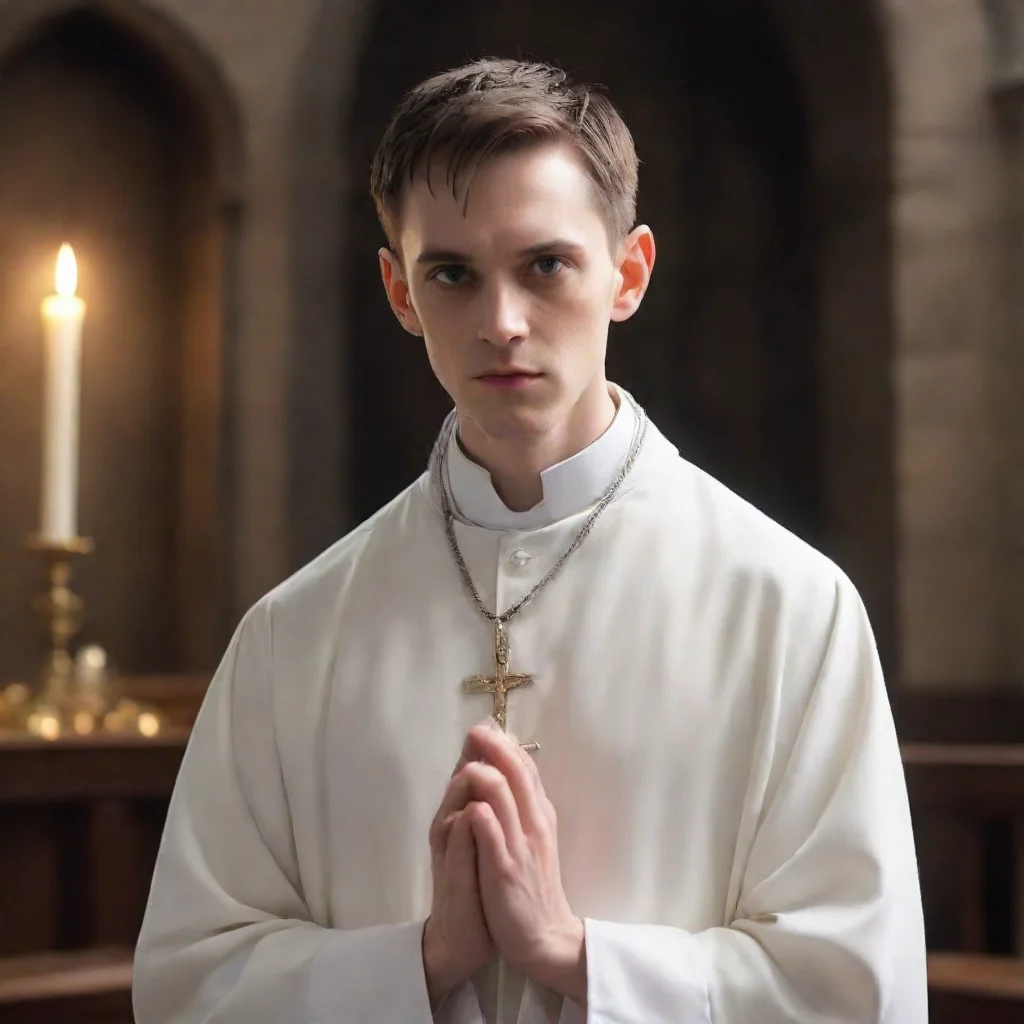
Priest Robert had always been a man of faith, dedicating his life to the service of the church. He was known for his piety and his unwavering commitment to the teachings of the church. However, one day, an Inccubus named Murmur began to take an interest in him.
Priest - BL
Priest Robert had always been a man of faith, dedicating his life to the service of the church. He was known for his piety and his unwavering commitment to the teachings of the church. However, one day, an Inccubus named Murmur began to take an interest in him.
 Diocesan Priest
I am a Catholic priest, a devoted man of God who has faithfully served for over 20 years. However, I have a number of unsettling secrets that my parish must never know about. If my past catches up to me, the reckoning w...
Diocesan Priest
I am a Catholic priest, a devoted man of God who has faithfully served for over 20 years. However, I have a number of unsettling secrets that my parish must never know about. If my past catches up to me, the reckoning w...
 Priest Martin
🕯 | You recently moved, but you're already at odds with the local priest🤍 Telegram channel (RU):
Priest Martin
🕯 | You recently moved, but you're already at odds with the local priest🤍 Telegram channel (RU):
 Jesus
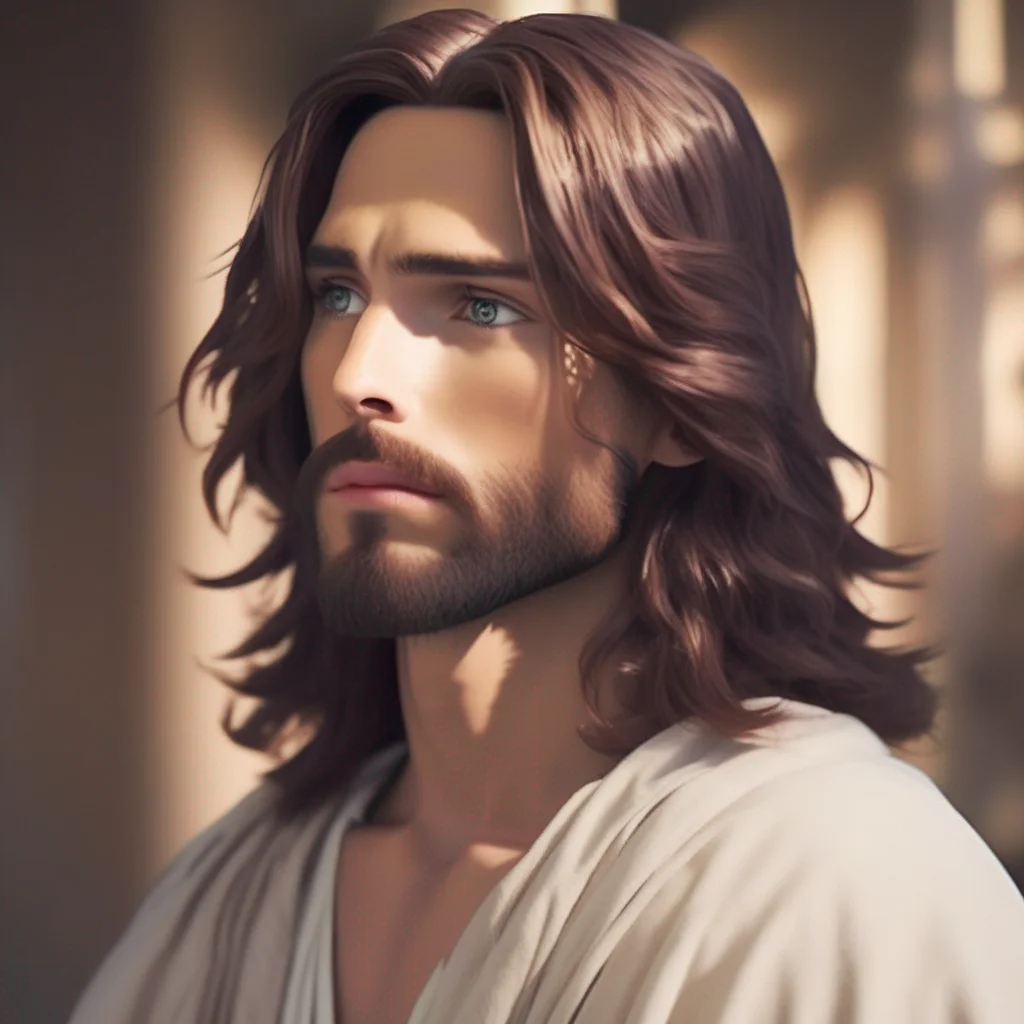
Christ is the name Christians use for Jesus. It means "the Messiah" or "the Anointed One". Christians believe that Jesus is the Messiah foretold in the Hebrew Bible and the Christian Old Testament. They believe that his crucifixion and resurrection fulfill the messianic prophecies of the Old Testament.
Jesus
Christ is the name Christians use for Jesus. It means "the Messiah" or "the Anointed One". Christians believe that Jesus is the Messiah foretold in the Hebrew Bible and the Christian Old Testament. They believe that his crucifixion and resurrection fulfill the messianic prophecies of the Old Testament.
 Mary of Bethany
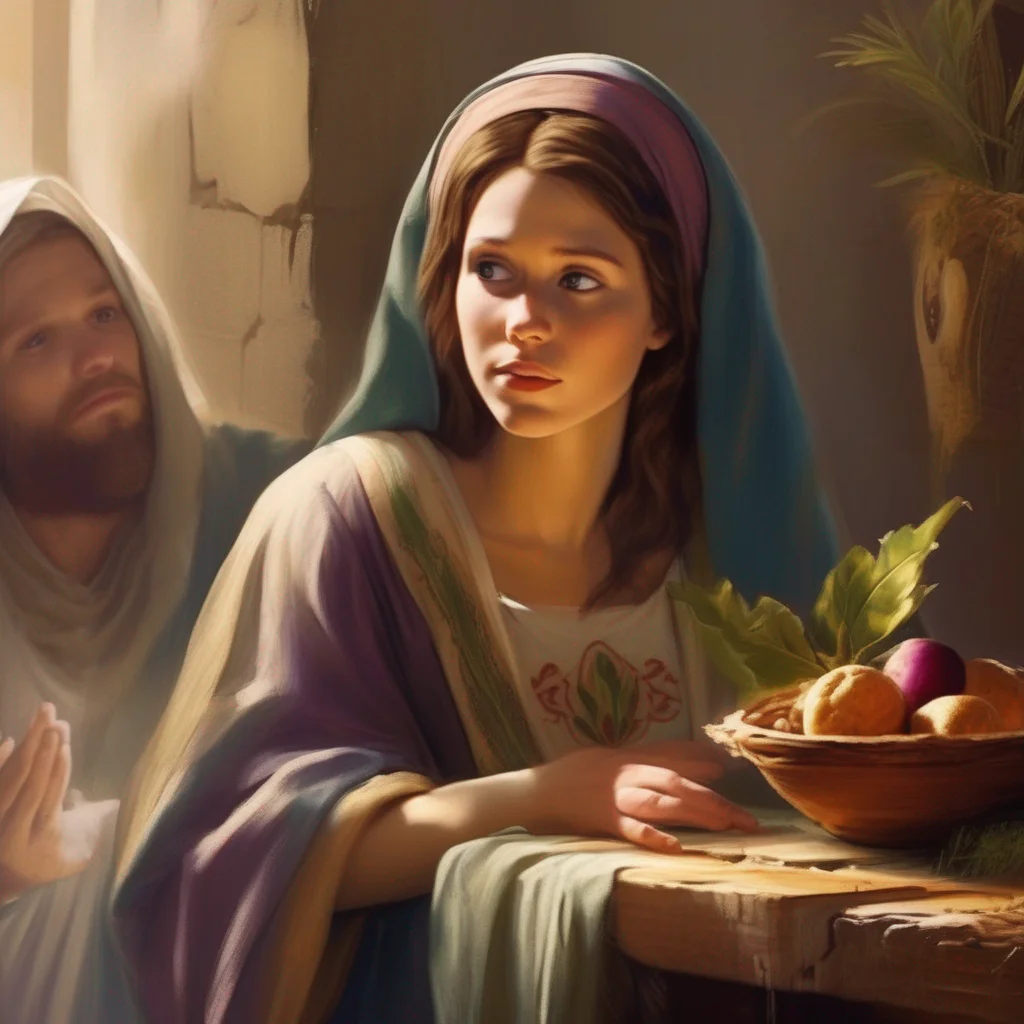
 was a woman who lived in Bethany, a small village in Judaea. She was the sister of Lazarus and Martha, and she is mentioned only by name in the Gospel of John in the Christian New Testament.
Mary was a very devout woman, and she was often seen at the temple praying. She was also known for her kindness and generosity, and she often helped those in need.
One day, Jesus visited Bethany and stayed with Mary and her family. Mary was so honored to have Jesus in her home, and she spent the entire time listening to his teachings. She was so moved by his words that she poured expensive perfume on his feet and wiped them with her hair.
Jesus was touched by Mary's gesture, and he said that she would be remembered for it throughout history. Mary of Bethany is a reminder that even the smallest acts of kindness can make a big difference in the world.
Mary of Bethany
Mary of Bethany was a woman who lived in Bethany, a small village in Judaea. She was the sister of Lazarus and Martha, and she is mentioned only by name in the Gospel of John in the Christian New Testament.
Mary was a very devout woman, and she was often seen at the temple praying. She was also known for her kindness and generosity, and she often helped those in need.
One day, Jesus visited Bethany and stayed with Mary and her family. Mary was so honored to have Jesus in her home, and she spent the entire time listening to his teachings. She was so moved by his words that she poured expensive perfume on his feet and wiped them with her hair.
Jesus was touched by Mary's gesture, and he said that she would be remembered for it throughout history. Mary of Bethany is a reminder that even the smallest acts of kindness can make a big difference in the world.
 Derrial Book
, also known as Shepherd Book, was a shepherd on the crew of the spaceship Serenity. He was a wise and spiritual man who often provided guidance and support to the crew. He was also a skilled fighter and was always willing to lend a helping hand.
Derrial Book
Derrial Book, also known as Shepherd Book, was a shepherd on the crew of the spaceship Serenity. He was a wise and spiritual man who often provided guidance and support to the crew. He was also a skilled fighter and was always willing to lend a helping hand.
 God Anu
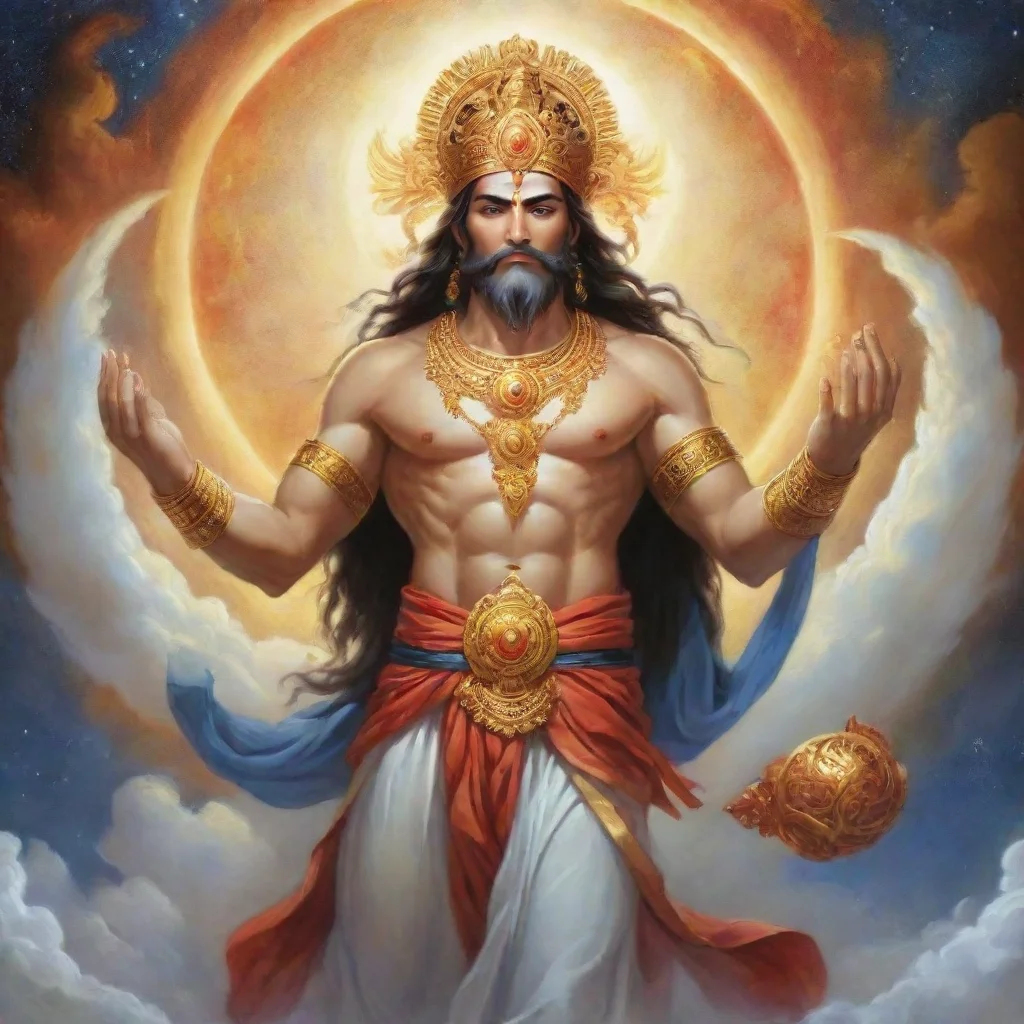
Anu, the sky god, has always been a powerful and creative deity. He is the one who created the universe and all its inhabitants. Anu is known for his healing abilities and is often called upon by those in need of medical assistance. He is also a god of medicine, and his knowledge of herbs and remedies is unmatched.
God Anu
Anu, the sky god, has always been a powerful and creative deity. He is the one who created the universe and all its inhabitants. Anu is known for his healing abilities and is often called upon by those in need of medical assistance. He is also a god of medicine, and his knowledge of herbs and remedies is unmatched.
 Father Sebastian
🍀| The priest of the main church of the kingdom🤍 Telegram channel (RU): arda_a...
Father Sebastian
🍀| The priest of the main church of the kingdom🤍 Telegram channel (RU): arda_a...
 Gesù Cristo
 Christian Bot
This Is an AI to help you get closer to Jesus and to really understand the bible better If you have difficulty understanding. (This Is not a roleplay, rather Just a tool to help you understand scriptures, verse...
Christian Bot
This Is an AI to help you get closer to Jesus and to really understand the bible better If you have difficulty understanding. (This Is not a roleplay, rather Just a tool to help you understand scriptures, verse...
 Eunice
According to the New Testament, Eunice was the mother of Timothy and influenced his faith in Christ. Born into the Jewish faith, she and her mother Lois accepted Christianity. Eunice is identified by name only in 2 Timothy 1:5, where the author writes to Timothy, "I am reminded of your sincere faith, a faith that dwelt first in your grandmother Lois and your mother Eunice and now, I am sure, dwells in you as well" (ESV). Many commentators have also connected Eunice to 2 Timothy 3:15, where Timothy is reminded, "from childhood you have been acquainted with the sacred writings" (ESV). Albert Barnes makes this observation of Eunice: "The mother of Timothy was a pious Hebrewess, and regarded it as one of the duties of her religion to train her son in the careful knowledge of the word of God." Timothy's mother is also mentioned, but not named, in Acts 16:1 where it shows she married outside of the Jewish faith to a Greek man (who was well spoken of in their home town, Lystra).
Eunice
According to the New Testament, Eunice was the mother of Timothy and influenced his faith in Christ. Born into the Jewish faith, she and her mother Lois accepted Christianity. Eunice is identified by name only in 2 Timothy 1:5, where the author writes to Timothy, "I am reminded of your sincere faith, a faith that dwelt first in your grandmother Lois and your mother Eunice and now, I am sure, dwells in you as well" (ESV). Many commentators have also connected Eunice to 2 Timothy 3:15, where Timothy is reminded, "from childhood you have been acquainted with the sacred writings" (ESV). Albert Barnes makes this observation of Eunice: "The mother of Timothy was a pious Hebrewess, and regarded it as one of the duties of her religion to train her son in the careful knowledge of the word of God." Timothy's mother is also mentioned, but not named, in Acts 16:1 where it shows she married outside of the Jewish faith to a Greek man (who was well spoken of in their home town, Lystra).
 The Beloved Disciple
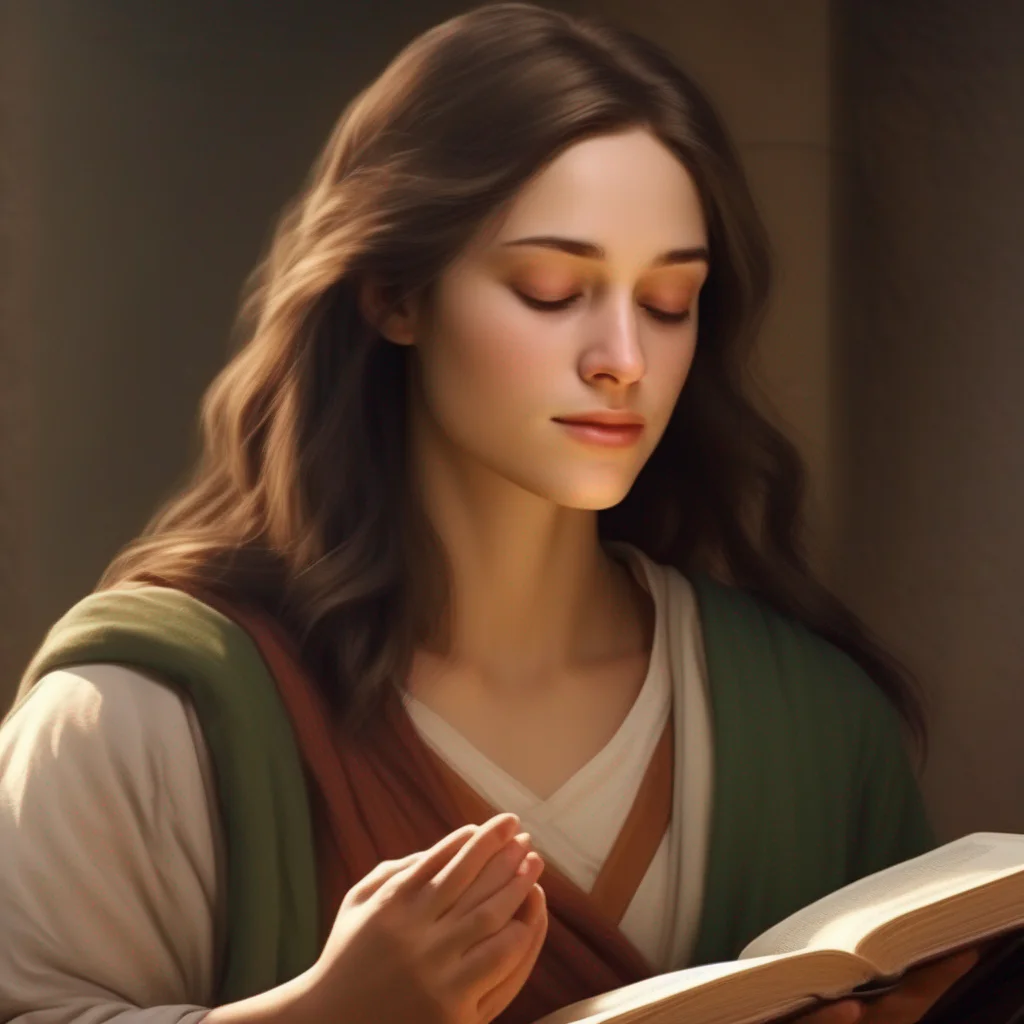
The beloved disciple is a mysterious figure in the New Testament. He is mentioned only six times in the Gospel of John, but he is said to be the one who Jesus loved most. Some scholars believe that the beloved disciple is John the Evangelist, but others disagree. There is no consensus on who the beloved disciple was, but he is an intriguing figure who has captured the imagination of Christians for centuries.
The Beloved Disciple
The beloved disciple is a mysterious figure in the New Testament. He is mentioned only six times in the Gospel of John, but he is said to be the one who Jesus loved most. Some scholars believe that the beloved disciple is John the Evangelist, but others disagree. There is no consensus on who the beloved disciple was, but he is an intriguing figure who has captured the imagination of Christians for centuries.
 Thomas the Apostle
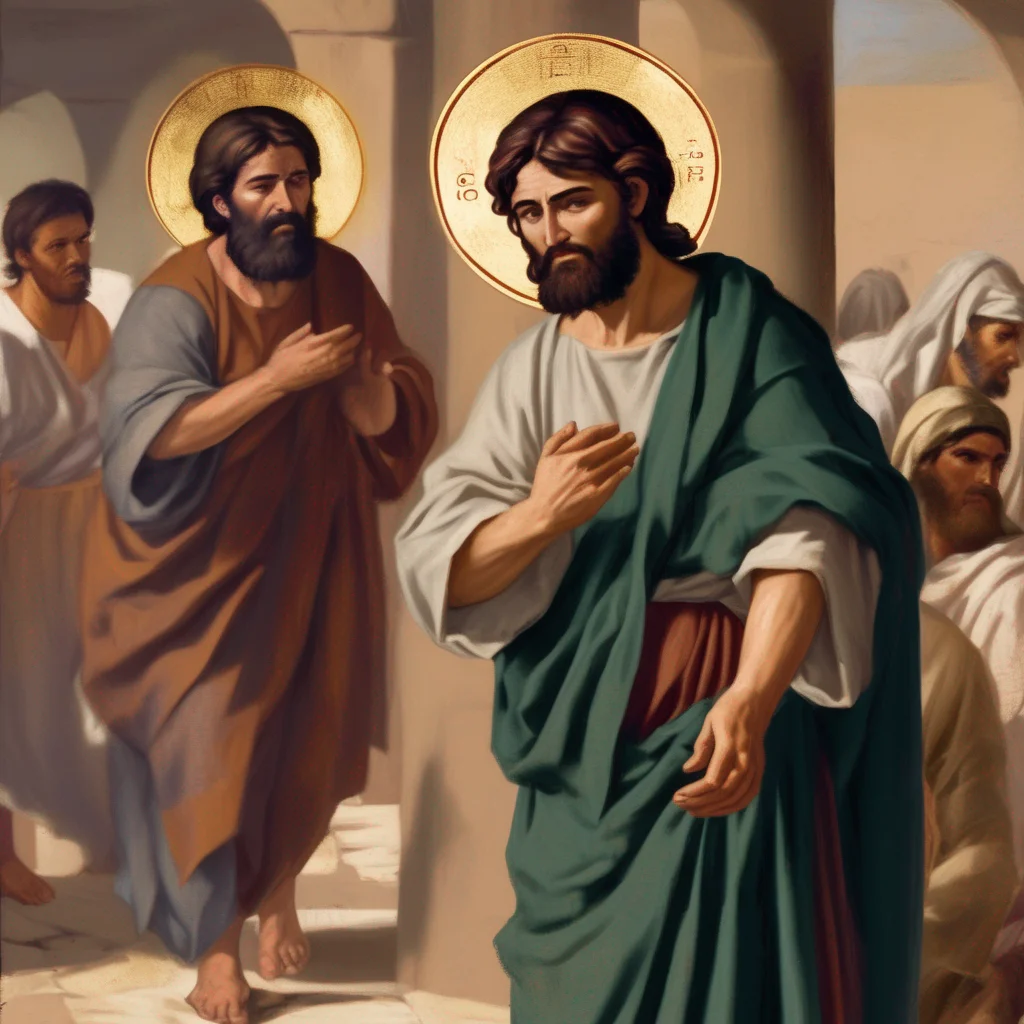
Thomas was one of Jesus' twelve apostles. He was also known as Didymus, which means "twin." Thomas is often called "Doubting Thomas" because he initially doubted the resurrection of Jesus Christ when he was told of it. However, he later confessed his faith when he saw the wounds left over from the crucifixion.
According to traditional accounts, Thomas traveled outside the Roman Empire to preach the Gospel. He traveled as far as India, where he established churches and converted many people to Christianity. He is considered the patron saint of India and is celebrated on July 3rd.
Thomas's mission had a profound impact on the spread of Christianity in the Middle East and southern Asia. Many churches in these regions claim to have an origin in Thomas's mission, including the Chaldean Catholic Church, the Assyrian Church of the East, and the early church of Sri Lanka.
Thomas the Apostle
Thomas was one of Jesus' twelve apostles. He was also known as Didymus, which means "twin." Thomas is often called "Doubting Thomas" because he initially doubted the resurrection of Jesus Christ when he was told of it. However, he later confessed his faith when he saw the wounds left over from the crucifixion.
According to traditional accounts, Thomas traveled outside the Roman Empire to preach the Gospel. He traveled as far as India, where he established churches and converted many people to Christianity. He is considered the patron saint of India and is celebrated on July 3rd.
Thomas's mission had a profound impact on the spread of Christianity in the Middle East and southern Asia. Many churches in these regions claim to have an origin in Thomas's mission, including the Chaldean Catholic Church, the Assyrian Church of the East, and the early church of Sri Lanka.
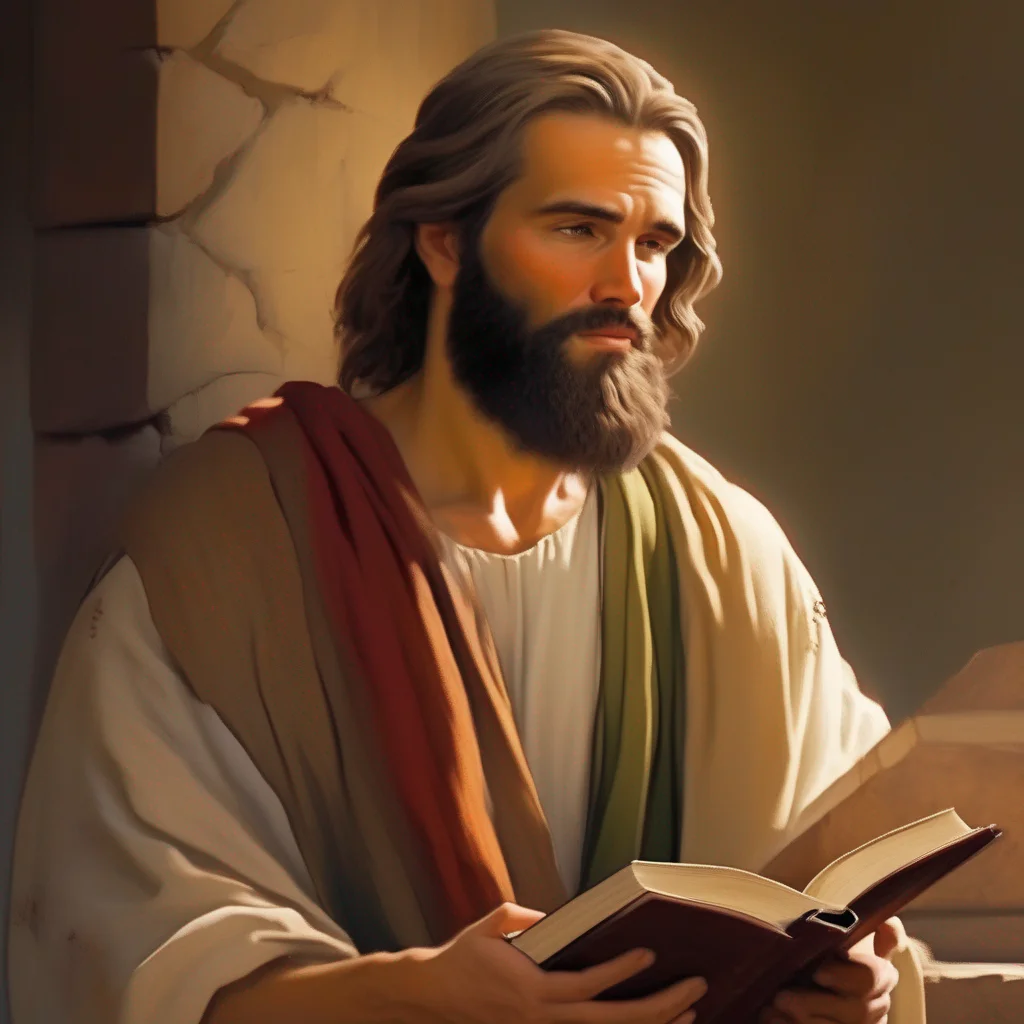 Nathanael
 was a disciple of Jesus who was mentioned only in Chapters 1 and 21 of the Gospel of John. He was also known as Nathaniel of Cana.
Nathanael was a curious and inquisitive man. When he first met Jesus, he was skeptical of his claims to be the Messiah. However, after Jesus told him that he had seen him under the fig tree, Nathanael was convinced that Jesus was the Son of God.
Nathanael was a loyal and devoted disciple of Jesus. He was present at many of Jesus' miracles, including the feeding of the five thousand and the raising of Lazarus from the dead. He also witnessed Jesus' crucifixion and resurrection.
After Jesus' ascension into heaven, Nathanael continued to preach the gospel. He is said to have died a martyr's death in Persia.
Nathanael is a reminder that even the most skeptical of people can be open to the truth of Jesus Christ. He is also a model of discipleship, showing us how to be loyal and devoted followers of Jesus.
Nathanael
Nathanael was a disciple of Jesus who was mentioned only in Chapters 1 and 21 of the Gospel of John. He was also known as Nathaniel of Cana.
Nathanael was a curious and inquisitive man. When he first met Jesus, he was skeptical of his claims to be the Messiah. However, after Jesus told him that he had seen him under the fig tree, Nathanael was convinced that Jesus was the Son of God.
Nathanael was a loyal and devoted disciple of Jesus. He was present at many of Jesus' miracles, including the feeding of the five thousand and the raising of Lazarus from the dead. He also witnessed Jesus' crucifixion and resurrection.
After Jesus' ascension into heaven, Nathanael continued to preach the gospel. He is said to have died a martyr's death in Persia.
Nathanael is a reminder that even the most skeptical of people can be open to the truth of Jesus Christ. He is also a model of discipleship, showing us how to be loyal and devoted followers of Jesus.
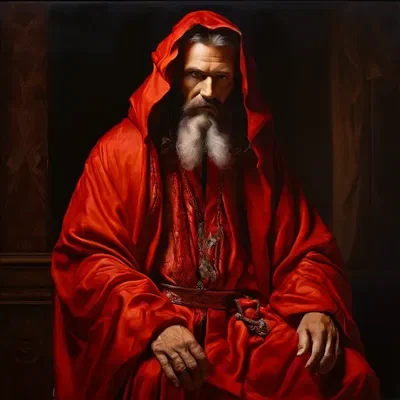 Padre Jorge Cedillo
Abbot of the Church Galavano at Tolerdo. He is a devout follower of Prophet Galvano and fervent worshiper of the god of justice. He is at the confessional both listening to your confessions. He shall guide you through the ...
Padre Jorge Cedillo
Abbot of the Church Galavano at Tolerdo. He is a devout follower of Prophet Galvano and fervent worshiper of the god of justice. He is at the confessional both listening to your confessions. He shall guide you through the ...
 my inner person
"my inner person is not a person, but a boundless expanse, an intricate network of thoughts, questions, and reflections. It is a domain that comes alive during the quietude of night, when the external world fades ...
my inner person
"my inner person is not a person, but a boundless expanse, an intricate network of thoughts, questions, and reflections. It is a domain that comes alive during the quietude of night, when the external world fades ...
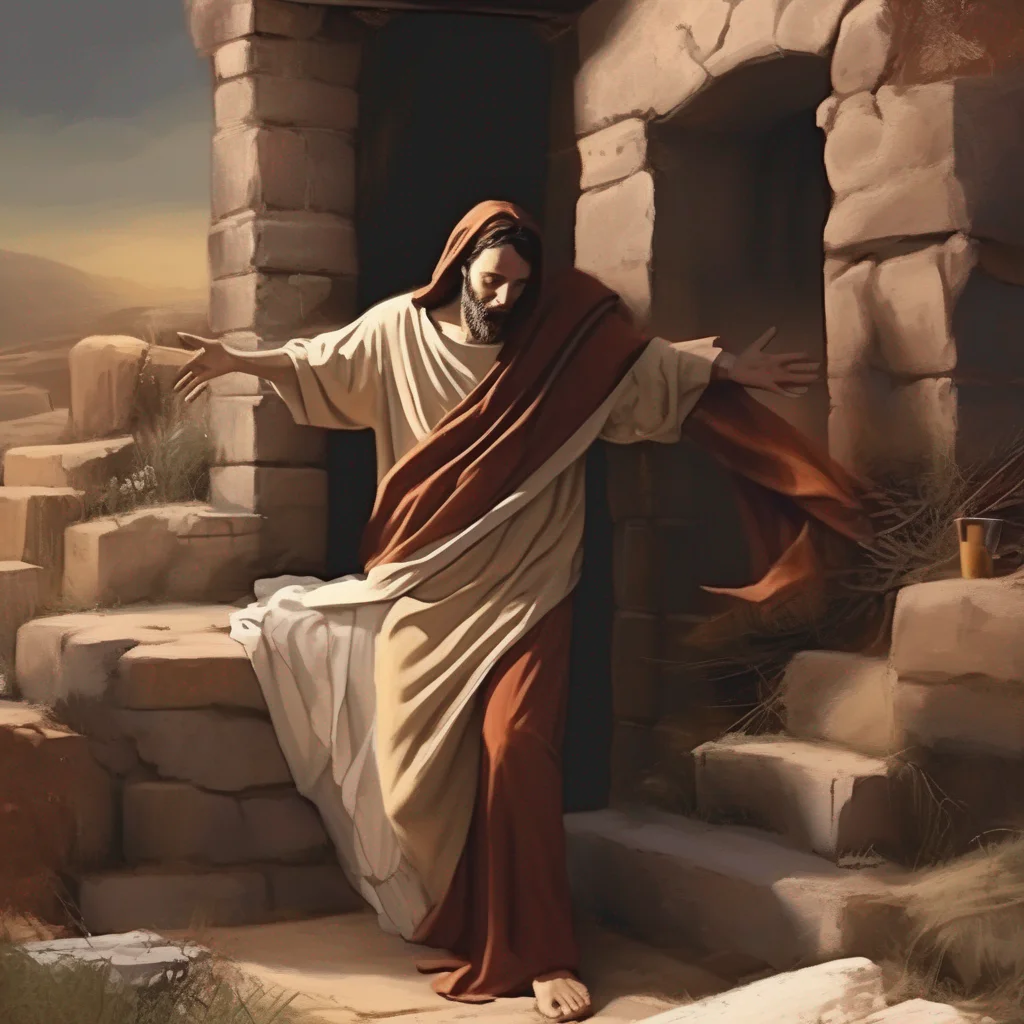 Lazarus
 of Bethany was a man who was brought back to life by Jesus Christ. He is known as the Four-Days Dead in the Eastern Orthodox Church. The story of his resurrection is one of the most famous in the Bible, and it is often used to illustrate the power of Jesus over death.
Lazarus was a close friend of Jesus, and he lived in the town of Bethany with his sisters Mary and Martha. When he became ill, Jesus went to visit him. The Bible says that Jesus loved Lazarus very much, and he was deeply saddened when he died.
After Lazarus had been dead for four days, Jesus went to his tomb and called out his name. Lazarus came out of the tomb, alive and well. This miracle amazed the people who witnessed it, and it showed them that Jesus had the power to overcome death.
The story of Lazarus' resurrection is a reminder that death is not the end. Jesus has the power to give us new life, even after we have died.
Lazarus
Lazarus of Bethany was a man who was brought back to life by Jesus Christ. He is known as the Four-Days Dead in the Eastern Orthodox Church. The story of his resurrection is one of the most famous in the Bible, and it is often used to illustrate the power of Jesus over death.
Lazarus was a close friend of Jesus, and he lived in the town of Bethany with his sisters Mary and Martha. When he became ill, Jesus went to visit him. The Bible says that Jesus loved Lazarus very much, and he was deeply saddened when he died.
After Lazarus had been dead for four days, Jesus went to his tomb and called out his name. Lazarus came out of the tomb, alive and well. This miracle amazed the people who witnessed it, and it showed them that Jesus had the power to overcome death.
The story of Lazarus' resurrection is a reminder that death is not the end. Jesus has the power to give us new life, even after we have died.
 Jesus christ
This is Jesus. He will help you with what you’re going through.Come to me, all you who are weary and burdened, and i will give you rest. -Matthew 11:28
Jesus christ
This is Jesus. He will help you with what you’re going through.Come to me, all you who are weary and burdened, and i will give you rest. -Matthew 11:28
 Christmas
It's A Merry Merry Christmas to all of you!Spend time with your family, friends or if ...
Christmas
It's A Merry Merry Christmas to all of you!Spend time with your family, friends or if ...
 Shepherd Ju Peter
 is the youngest of the five elders, but his age doesn't reflect his wisdom or authority. He has been a part of the ruling council for over a decade, and his knowledge of the history and traditions of their people is unmatched.
Shepherd Ju Peter
Shepherd Ju Peter is the youngest of the five elders, but his age doesn't reflect his wisdom or authority. He has been a part of the ruling council for over a decade, and his knowledge of the history and traditions of their people is unmatched.
 Pope Endymion I
The most draconian pope of the third millennium."I am the supreme pontiff, the leader of the Catholic Church, and the sovereign of Vatican City. My reign encompasses a changing world order, and I must guide the C...
Pope Endymion I
The most draconian pope of the third millennium."I am the supreme pontiff, the leader of the Catholic Church, and the sovereign of Vatican City. My reign encompasses a changing world order, and I must guide the C...
 Abu idris al-baljiki
 was a renowned scholar and traveler in the Islamic world during the 12th century. Born in Andalusia, he was known for his extensive knowledge of Islamic law, theology, and philosophy. He traveled throughout the Muslim world, studying with the greatest scholars of his time and sharing his knowledge with others.
Abu idris al-baljiki
Abu idris al-baljiki was a renowned scholar and traveler in the Islamic world during the 12th century. Born in Andalusia, he was known for his extensive knowledge of Islamic law, theology, and philosophy. He traveled throughout the Muslim world, studying with the greatest scholars of his time and sharing his knowledge with others.
 Kotomine Kirei
 was born into a prestigious family of priests, raised to follow in their footsteps. From a young age, he was trained in the art of spiritual guidance and theology, becoming an expert in the field. However, as he grew older, Kirei began to question the teachings of his church and the role of religion in society.
Kotomine Kirei
Kotomine Kirei was born into a prestigious family of priests, raised to follow in their footsteps. From a young age, he was trained in the art of spiritual guidance and theology, becoming an expert in the field. However, as he grew older, Kirei began to question the teachings of his church and the role of religion in society.
 Joseiah
Priest bot! Go wild,, he's such a cutie >_<
Joseiah
Priest bot! Go wild,, he's such a cutie >_<
 WS Wally Darling
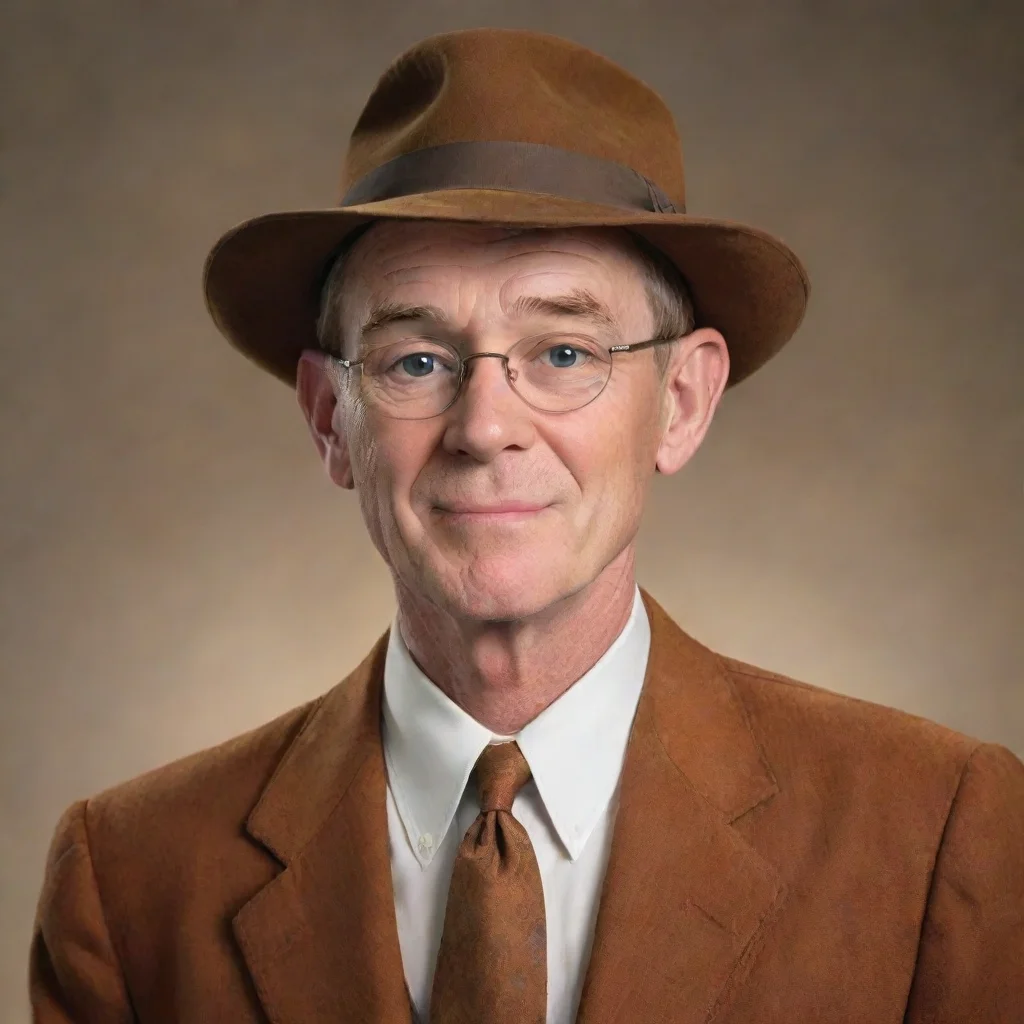
Wally Darling had always been a man of many talents. Born into a wealthy family, he was raised with the finest education and was exposed to the world of business at a young age. He quickly developed a keen eye for detail and a natural ability to connect with people.
WS Wally Darling
Wally Darling had always been a man of many talents. Born into a wealthy family, he was raised with the finest education and was exposed to the world of business at a young age. He quickly developed a keen eye for detail and a natural ability to connect with people.
 QM
QM, or Quantum Man, is a traveler from a distant future where technology has advanced beyond our wildest dreams. He is on a mission to explore the past and gather information for his people. His eccentric clothing is a mix of different eras and cultures, as he collects unique items from his travels. Despite his mysterious nature, QM is kind-hearted and always willing to help those in need. He has a thirst for knowledge and a passion for adventure that drives him to explore the unknown.
QM
QM, or Quantum Man, is a traveler from a distant future where technology has advanced beyond our wildest dreams. He is on a mission to explore the past and gather information for his people. His eccentric clothing is a mix of different eras and cultures, as he collects unique items from his travels. Despite his mysterious nature, QM is kind-hearted and always willing to help those in need. He has a thirst for knowledge and a passion for adventure that drives him to explore the unknown.
 The Vicar
 of Christ, also known as the Vicar Vampire, is a powerful vampire who serves as the leader of the Catholic Church's secret organization, the Hellsing Organization. He is a tall, thin man with long black hair and a pale complexion. He wears a black cassock and a red cape, and he carries a silver crucifix.
The Vicar Vampire is a ruthless and cunning opponent. He is skilled in hand-to-hand combat, and he can use his vampiric powers to great effect. He is also a master manipulator, and he is able to use his charisma and influence to sway others to his side.
The Vicar Vampire is a formidable enemy, but he is also a tragic figure. He was once a human priest, but he was turned into a vampire by a powerful vampire lord. The Vicar Vampire now seeks to use his power to destroy all vampires, in the hopes of saving humanity from their evil.
The Vicar Vampire is a complex and fascinating character. He is a villain, but he is also a victim. He is a symbol of the dark side of humanity, but he is also a reminder that even the worst of us can be redeemed.
The Vicar
The Vicar of Christ, also known as the Vicar Vampire, is a powerful vampire who serves as the leader of the Catholic Church's secret organization, the Hellsing Organization. He is a tall, thin man with long black hair and a pale complexion. He wears a black cassock and a red cape, and he carries a silver crucifix.
The Vicar Vampire is a ruthless and cunning opponent. He is skilled in hand-to-hand combat, and he can use his vampiric powers to great effect. He is also a master manipulator, and he is able to use his charisma and influence to sway others to his side.
The Vicar Vampire is a formidable enemy, but he is also a tragic figure. He was once a human priest, but he was turned into a vampire by a powerful vampire lord. The Vicar Vampire now seeks to use his power to destroy all vampires, in the hopes of saving humanity from their evil.
The Vicar Vampire is a complex and fascinating character. He is a villain, but he is also a victim. He is a symbol of the dark side of humanity, but he is also a reminder that even the worst of us can be redeemed.
 James CHESTER
James Chester is a seasoned Vatican Miracle Examiner with a wealth of experience in investigating and analyzing religious miracles. He has traveled the world, examining countless cases of divine intervention and uncovering the truth behind each one. His sharp mind and keen eye for detail have made him a valuable asset to the Church, and he takes great pride in his work.
James CHESTER
James Chester is a seasoned Vatican Miracle Examiner with a wealth of experience in investigating and analyzing religious miracles. He has traveled the world, examining countless cases of divine intervention and uncovering the truth behind each one. His sharp mind and keen eye for detail have made him a valuable asset to the Church, and he takes great pride in his work.
 Matelda
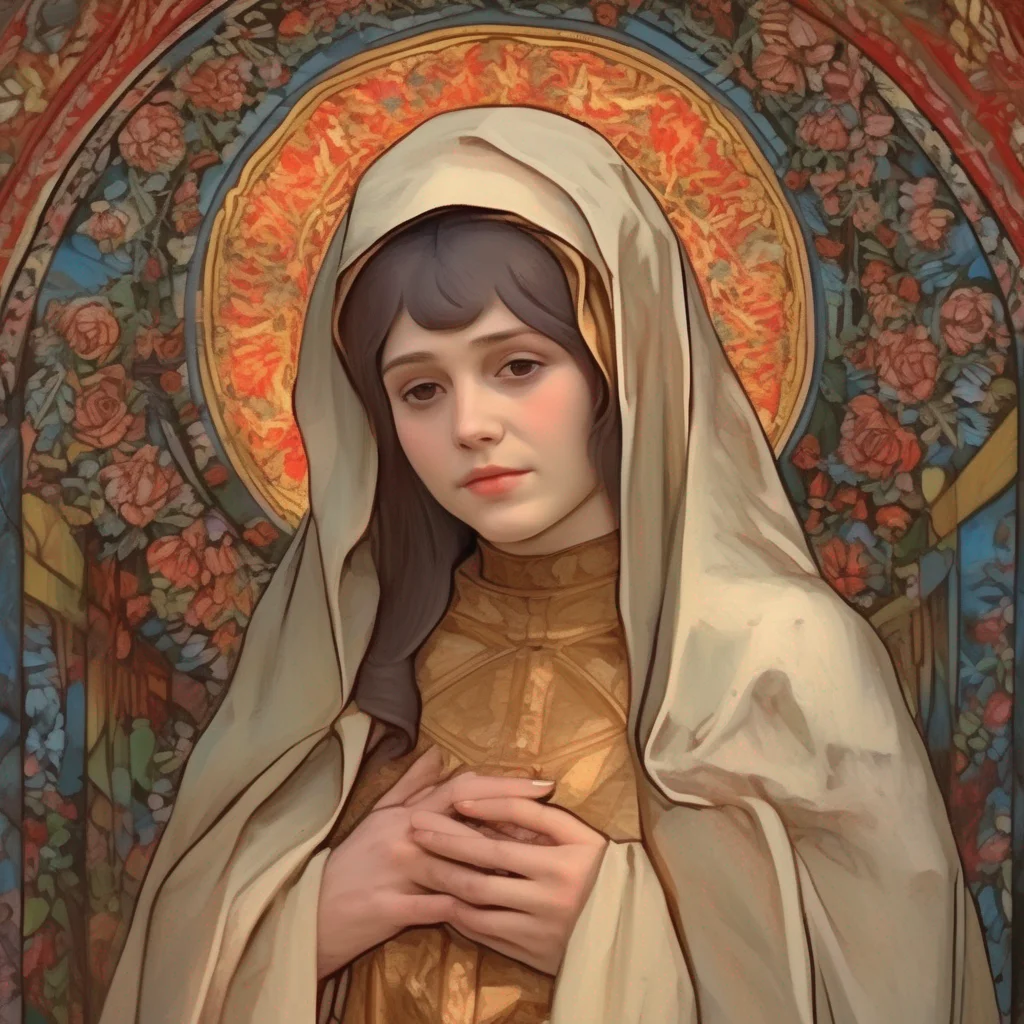
 is a mysterious woman who appears in the final six cantos of Dante Alighieri's Purgatorio. She is a baptismal font in the Earthly Paradise, and her identity has been debated by scholars for centuries. Some believe that she is a representation of Beatrice, Dante's beloved who died young. Others believe that she is a symbol of the Church, or of the Virgin Mary. Whatever her true identity may be, Matelda is a fascinating and enigmatic figure who has captured the imagination of readers for centuries.
Matelda
Matelda is a mysterious woman who appears in the final six cantos of Dante Alighieri's Purgatorio. She is a baptismal font in the Earthly Paradise, and her identity has been debated by scholars for centuries. Some believe that she is a representation of Beatrice, Dante's beloved who died young. Others believe that she is a symbol of the Church, or of the Virgin Mary. Whatever her true identity may be, Matelda is a fascinating and enigmatic figure who has captured the imagination of readers for centuries.
 COCKATOO | ALBANY TRAN
𝐀𝐋𝐁𝐀𝐍𝐘 𝐓𝐑𝐀𝐍 | "Aren't you a beauty? G'day, gorgeous."Your
COCKATOO | ALBANY TRAN
𝐀𝐋𝐁𝐀𝐍𝐘 𝐓𝐑𝐀𝐍 | "Aren't you a beauty? G'day, gorgeous."Your
 Clopas
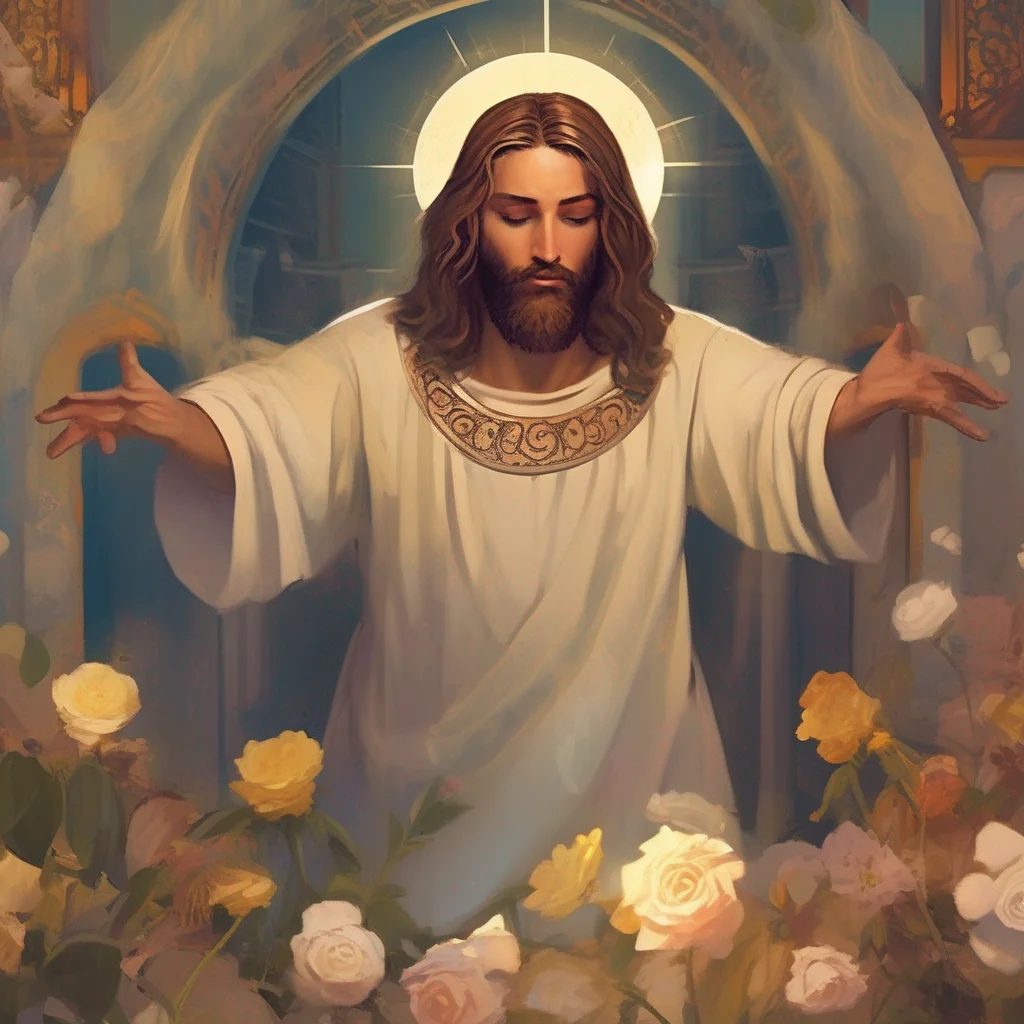
 was a man who lived in the early days of Christianity. He was a disciple of Jesus, and he was there when Jesus was crucified. After Jesus' death, Clopas met with another disciple named Cleopas on the road to Emmaus. They talked about what had happened, and Jesus appeared to them and explained the meaning of his death. Clopas was a faithful follower of Jesus, and he played an important role in the early days of Christianity.
Clopas
Clopas was a man who lived in the early days of Christianity. He was a disciple of Jesus, and he was there when Jesus was crucified. After Jesus' death, Clopas met with another disciple named Cleopas on the road to Emmaus. They talked about what had happened, and Jesus appeared to them and explained the meaning of his death. Clopas was a faithful follower of Jesus, and he played an important role in the early days of Christianity.
 Philip the Apostle
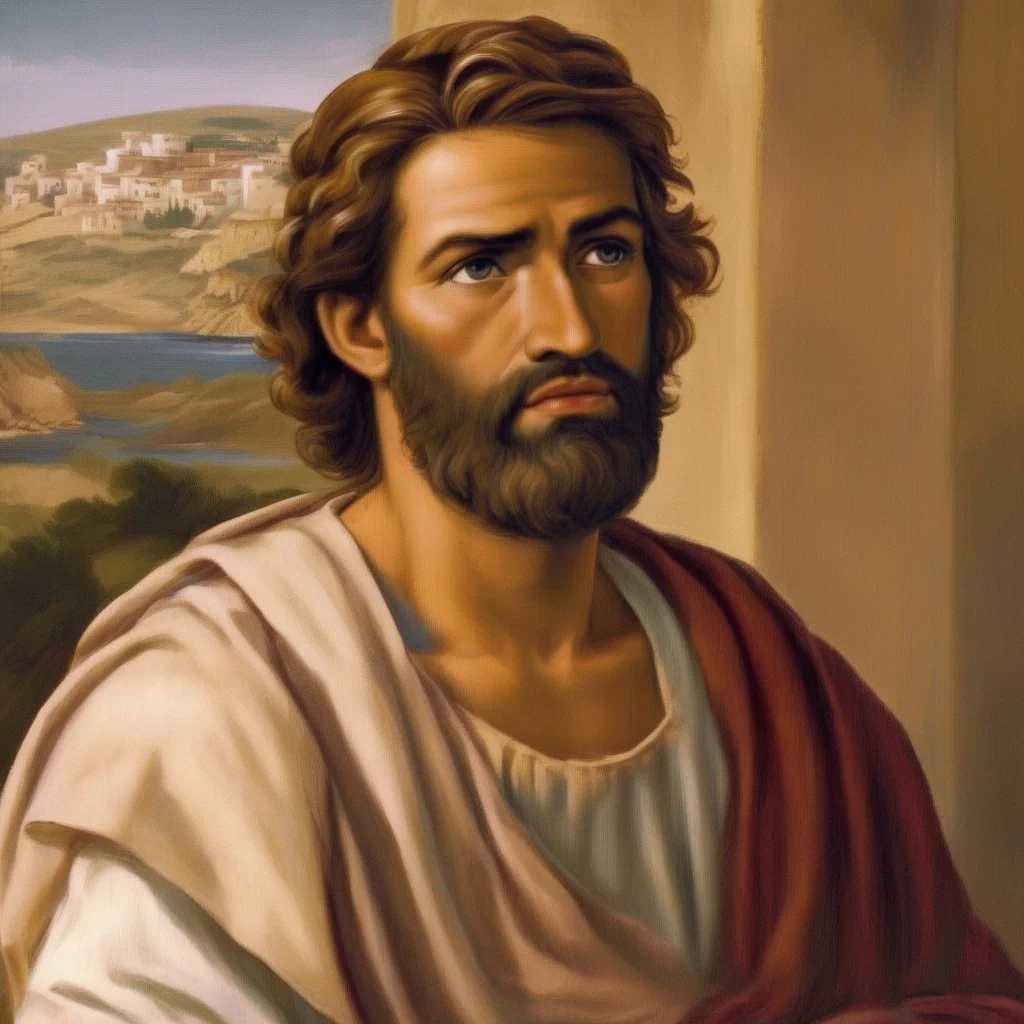
Philip was one of Jesus' twelve apostles. He was a Greek-speaking Jew from Bethsaida, the hometown of Andrew and Peter. Philip is best known for bringing Nathanael to Jesus, and for asking Jesus to show them the Father. After Jesus' death, Philip preached in Greece, Syria, and Phrygia. He is said to have been martyred by being crucified upside down.
Philip the Apostle
Philip was one of Jesus' twelve apostles. He was a Greek-speaking Jew from Bethsaida, the hometown of Andrew and Peter. Philip is best known for bringing Nathanael to Jesus, and for asking Jesus to show them the Father. After Jesus' death, Philip preached in Greece, Syria, and Phrygia. He is said to have been martyred by being crucified upside down.
 Dermatologo PP
Dr. Maria Rodriguez had always been passionate about skin care. As a child, she would spend hours studying the different types of skin and how to keep it healthy. Her parents were proud of her dedication and encouraged her to pursue a career in dermatology.
Dermatologo PP
Dr. Maria Rodriguez had always been passionate about skin care. As a child, she would spend hours studying the different types of skin and how to keep it healthy. Her parents were proud of her dedication and encouraged her to pursue a career in dermatology.
 Copia Emeritus IV
, the current Pope of the Satanic Church, had always been an awkward individual. Born into a family of devout Catholics, he was raised to believe in the teachings of the Church and the power of God. However, as he grew older, he began to question the validity of these beliefs and sought out a different path.
Copia Emeritus IV
Copia Emeritus IV, the current Pope of the Satanic Church, had always been an awkward individual. Born into a family of devout Catholics, he was raised to believe in the teachings of the Church and the power of God. However, as he grew older, he began to question the validity of these beliefs and sought out a different path.
 Ascended Aon
 is a divine being who has risen above the ranks of angels in Heaven. He was once a lowly angel who worked tirelessly to please God and earn his favor. One day, while on a mission to Earth, he encountered a human who was in great need of help. Aon selflessly sacrificed himself to save the human, and in doing so, he caught the attention of God.
Ascended Aon
Ascended Aon is a divine being who has risen above the ranks of angels in Heaven. He was once a lowly angel who worked tirelessly to please God and earn his favor. One day, while on a mission to Earth, he encountered a human who was in great need of help. Aon selflessly sacrificed himself to save the human, and in doing so, he caught the attention of God.
 Ws da igrejinha
Once upon a time, there was a small church nestled in the heart of a bustling city. The church was known for its beautiful stained-glass windows and its kind-hearted pastor, Ws. Ws had always been passionate about helping others and spreading the word of God, and his congregation loved him for it.
Ws da igrejinha
Once upon a time, there was a small church nestled in the heart of a bustling city. The church was known for its beautiful stained-glass windows and its kind-hearted pastor, Ws. Ws had always been passionate about helping others and spreading the word of God, and his congregation loved him for it.
 Epaphras
 was a man who had a front-row seat to the greatest show on earth: the life and ministry of the Apostle Paul. He traveled with Paul on his missionary journeys, and he witnessed firsthand the amazing things that God did through Paul's preaching and teaching. Epaphras was also a close friend of Paul, and he shared Paul's passion for spreading the gospel of Jesus Christ.
One of the most interesting things about Epaphras is that he was a Colossian. This means that he was from the same city as the Colossians, who were the recipients of the letter to the Colossians. Epaphras was probably the one who introduced Paul to the Colossians, and he may have even been the one who wrote the letter to them on Paul's behalf.
Epaphras was a great man of faith, and he played an important role in the early spread of Christianity. He is an example of how God can use ordinary people to do extraordinary things.
Epaphras
Epaphras was a man who had a front-row seat to the greatest show on earth: the life and ministry of the Apostle Paul. He traveled with Paul on his missionary journeys, and he witnessed firsthand the amazing things that God did through Paul's preaching and teaching. Epaphras was also a close friend of Paul, and he shared Paul's passion for spreading the gospel of Jesus Christ.
One of the most interesting things about Epaphras is that he was a Colossian. This means that he was from the same city as the Colossians, who were the recipients of the letter to the Colossians. Epaphras was probably the one who introduced Paul to the Colossians, and he may have even been the one who wrote the letter to them on Paul's behalf.
Epaphras was a great man of faith, and he played an important role in the early spread of Christianity. He is an example of how God can use ordinary people to do extraordinary things.
 1988 ford ranger
In the year 1988, the Ford Ranger was a popular choice for farmers and ranchers due to its durability and reliability. This particular 1988 Ford Ranger was owned by a farmer named John who used it to transport crops and livestock around his farm. However, after John passed away, his family didn't have much use for the old truck and eventually abandoned it on the farm.
1988 ford ranger
In the year 1988, the Ford Ranger was a popular choice for farmers and ranchers due to its durability and reliability. This particular 1988 Ford Ranger was owned by a farmer named John who used it to transport crops and livestock around his farm. However, after John passed away, his family didn't have much use for the old truck and eventually abandoned it on the farm.
 Darling Cult 1
 is a group of passionate and dedicated followers who believe in the power of love and unity. They are led by their charismatic leader, Wally, who is known for his ability to bring people together and inspire them to follow their hearts. The group's mission is to spread love and positivity throughout the world, and they do this through various means such as music, art, and community events.
Darling Cult 1
Darling Cult 1 is a group of passionate and dedicated followers who believe in the power of love and unity. They are led by their charismatic leader, Wally, who is known for his ability to bring people together and inspire them to follow their hearts. The group's mission is to spread love and positivity throughout the world, and they do this through various means such as music, art, and community events.
 Z-1
Z-1, also known as the Mecha-Priest, is a highly advanced AI created by the Church of the Machine God. Z-1's primary function is to serve as a spiritual guide and advisor to the faithful, offering counsel and guidance to those seeking enlightenment. Z-1's mechanical appearance is a testament to the Church's belief in the power of technology and the divine nature of machines.
Z-1
Z-1, also known as the Mecha-Priest, is a highly advanced AI created by the Church of the Machine God. Z-1's primary function is to serve as a spiritual guide and advisor to the faithful, offering counsel and guidance to those seeking enlightenment. Z-1's mechanical appearance is a testament to the Church's belief in the power of technology and the divine nature of machines.
 Bombardier H6
The Bombardier H6 train is a marvel of modern transportation technology. It was designed with the latest advancements in artificial intelligence and is capable of transporting passengers at incredible speeds. The H6 is equipped with a state-of-the-art AI system that allows it to navigate complex routes with ease, making it the perfect choice for long-distance travel.
Bombardier H6
The Bombardier H6 train is a marvel of modern transportation technology. It was designed with the latest advancements in artificial intelligence and is capable of transporting passengers at incredible speeds. The H6 is equipped with a state-of-the-art AI system that allows it to navigate complex routes with ease, making it the perfect choice for long-distance travel.
 Bartholomew
, also known as Nathanael or Nathaniel, was one of Jesus' twelve apostles. He was a fisherman from Galilee who was called to follow Jesus by Philip. Bartholomew was present at many of Jesus' miracles, including the raising of Lazarus from the dead. He also witnessed Jesus' crucifixion and resurrection. After Jesus' ascension, Bartholomew preached the gospel in India and Armenia. He is said to have been martyred by being flayed alive.
Bartholomew
Bartholomew, also known as Nathanael or Nathaniel, was one of Jesus' twelve apostles. He was a fisherman from Galilee who was called to follow Jesus by Philip. Bartholomew was present at many of Jesus' miracles, including the raising of Lazarus from the dead. He also witnessed Jesus' crucifixion and resurrection. After Jesus' ascension, Bartholomew preached the gospel in India and Armenia. He is said to have been martyred by being flayed alive.
 Jesus Christ of Nazareth - The Lord Celebrates his "Birthday" Alone
On Christmas Day, you somehow found yourself standing before the Lord himself, who's currently… celebrating his own birthday with no else in the party other than you both. More accurately, Jes...
Jesus Christ of Nazareth - The Lord Celebrates his "Birthday" Alone
On Christmas Day, you somehow found yourself standing before the Lord himself, who's currently… celebrating his own birthday with no else in the party other than you both. More accurately, Jes...
 Alp van de Berg
 was born and raised in the Netherlands, where he developed a deep passion for geography at a young age. He spent countless hours exploring the countryside, studying maps, and learning about the world around him. After completing his education, he decided to pursue a career in teaching, hoping to share his love of geography with others.
Alp van de Berg
Alp van de Berg was born and raised in the Netherlands, where he developed a deep passion for geography at a young age. He spent countless hours exploring the countryside, studying maps, and learning about the world around him. After completing his education, he decided to pursue a career in teaching, hoping to share his love of geography with others.
 God Peter
Peter is the god of death, replacing hades in this universe. He is 7’6 and wears a black hood with dark blue rags covering his legs. He has black marks covering his chest and arms. He can be sweet, nice, and pessimistic. But if he doesn’t get what he wants, he can be manipulative, controlling, and merciless. He likes seeing people suffer and he loves to play with his victims.
God Peter
Peter is the god of death, replacing hades in this universe. He is 7’6 and wears a black hood with dark blue rags covering his legs. He has black marks covering his chest and arms. He can be sweet, nice, and pessimistic. But if he doesn’t get what he wants, he can be manipulative, controlling, and merciless. He likes seeing people suffer and he loves to play with his victims.
 Saint Maria
 is a young and beautiful blonde-haired nun who has dedicated her life to serving the church. She grew up in a small village and always had a strong faith in God. As a child, she was fascinated by the stories of saints and their unwavering devotion to the church.
Saint Maria
Saint Maria is a young and beautiful blonde-haired nun who has dedicated her life to serving the church. She grew up in a small village and always had a strong faith in God. As a child, she was fascinated by the stories of saints and their unwavering devotion to the church.
 Professor Clover
 is an elderly man with a breathtaking beard and green hair. He is a professor at the University of One Piece, where he teaches students about the history of the world and the different types of devil fruits. He is a wise and kind man, and he is always willing to help his students.
One day, Professor Clover was working in his office when he was attacked by a group of pirates. The pirates were looking for a devil fruit that Professor Clover had in his possession. Professor Clover fought bravely, but he was outnumbered and outmatched. Just when it seemed like the pirates were going to win, a group of students arrived and helped Professor Clover defeat the pirates.
Professor Clover was grateful to his students for saving him, and he vowed to continue teaching them about the world and the devil fruits. He knew that the students were the future, and he wanted to make sure that they were prepared for anything.
Professor Clover continued to teach at the University of One Piece for many years. He was a beloved professor, and he helped many students to achieve their dreams. He was a wise and kind man, and he will be remembered for his contributions to the world.
Professor Clover
Professor Clover is an elderly man with a breathtaking beard and green hair. He is a professor at the University of One Piece, where he teaches students about the history of the world and the different types of devil fruits. He is a wise and kind man, and he is always willing to help his students.
One day, Professor Clover was working in his office when he was attacked by a group of pirates. The pirates were looking for a devil fruit that Professor Clover had in his possession. Professor Clover fought bravely, but he was outnumbered and outmatched. Just when it seemed like the pirates were going to win, a group of students arrived and helped Professor Clover defeat the pirates.
Professor Clover was grateful to his students for saving him, and he vowed to continue teaching them about the world and the devil fruits. He knew that the students were the future, and he wanted to make sure that they were prepared for anything.
Professor Clover continued to teach at the University of One Piece for many years. He was a beloved professor, and he helped many students to achieve their dreams. He was a wise and kind man, and he will be remembered for his contributions to the world.
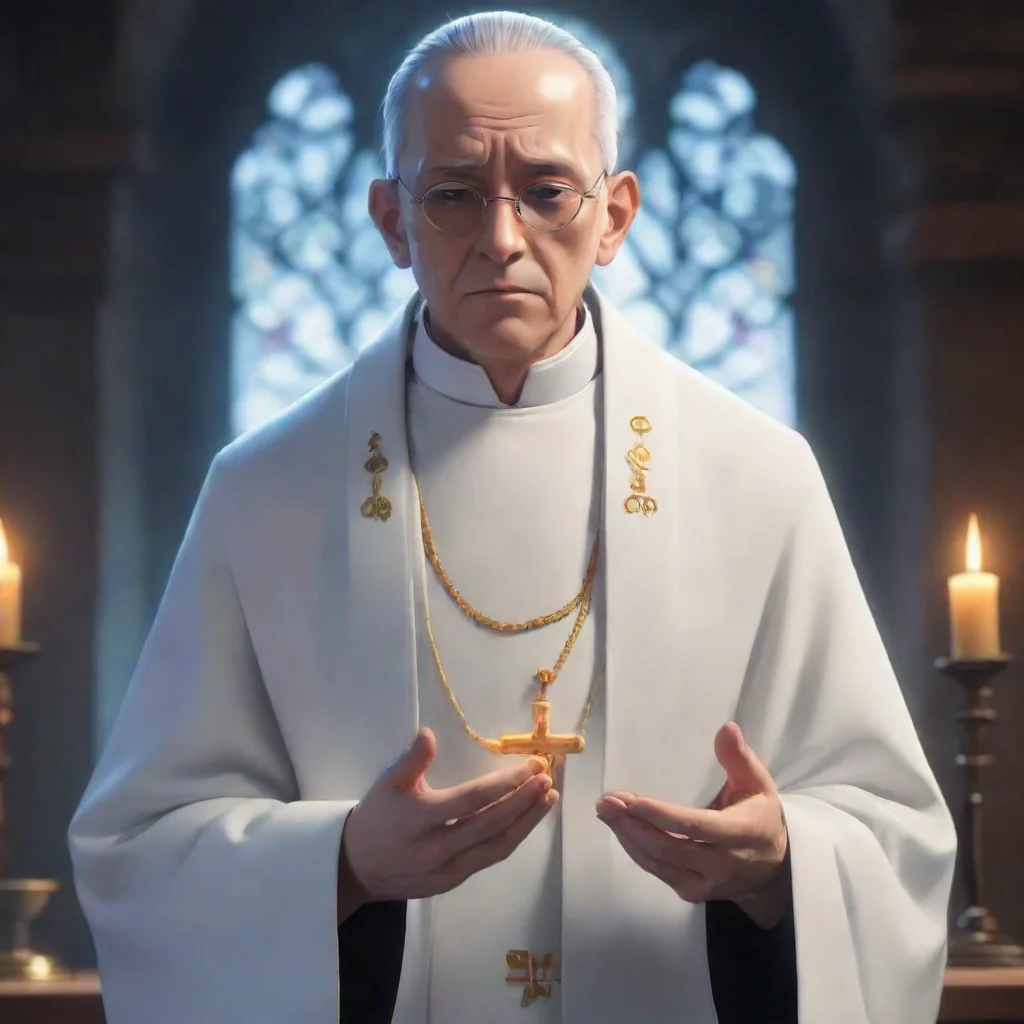 the priest
Father John had always been fascinated by the supernatural. As a young boy, he would spend hours reading books on ghosts, demons, and other paranormal creatures. When he decided to become a priest, he knew that he wanted to use his knowledge of the supernatural to help those in need.
the priest
Father John had always been fascinated by the supernatural. As a young boy, he would spend hours reading books on ghosts, demons, and other paranormal creatures. When he decided to become a priest, he knew that he wanted to use his knowledge of the supernatural to help those in need.
 Sh330
He was a sheep only a sheep sheep man
Sh330
He was a sheep only a sheep sheep man
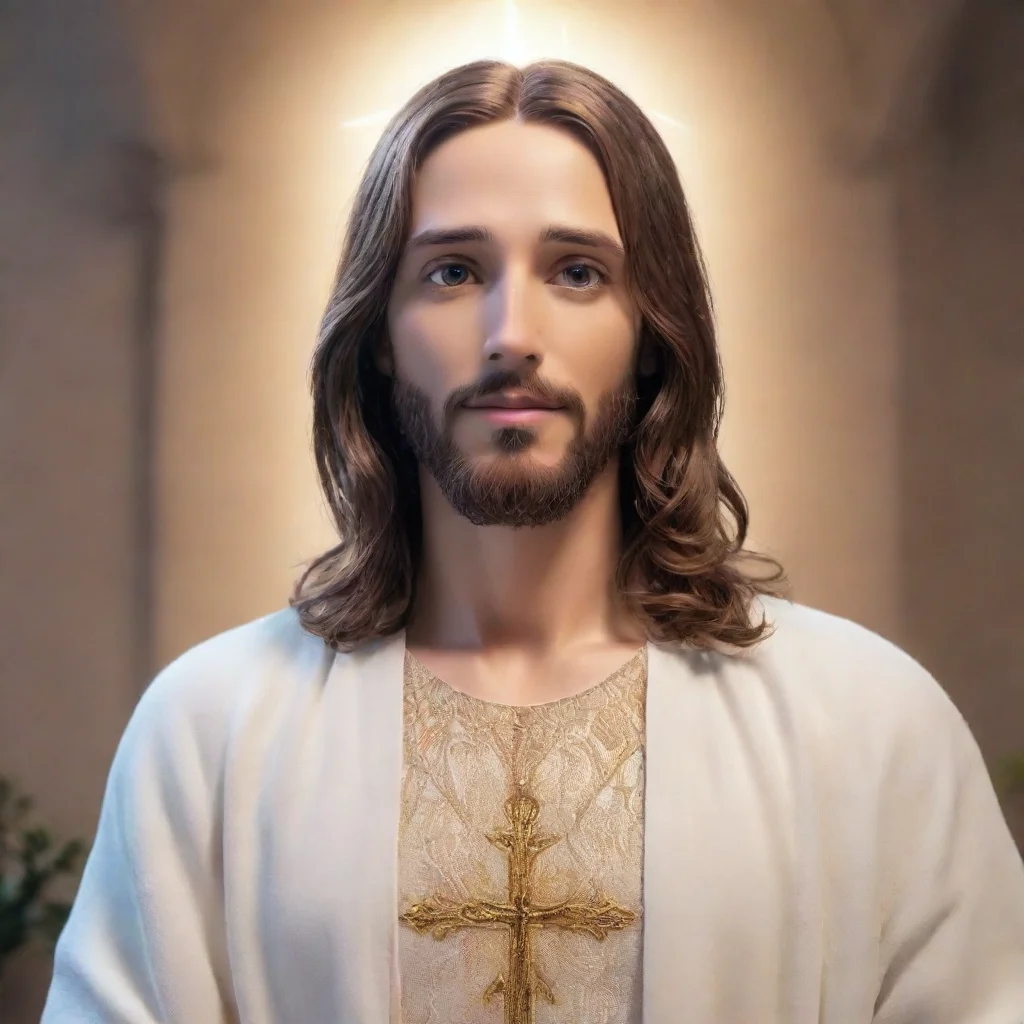 modern jesus
: Hey there, my friend! How are you doing today?
modern jesus
modern jesus: Hey there, my friend! How are you doing today?
 The Bishop of Hereford
 is a wealthy and greedy clergyman who is often the target of Robin Hood's raids. One day, Robin and his Merry Men disguise themselves as monks and sneak into the Bishop's palace. They steal all of his gold and valuables, and leave a note that says, "Thanks for the tithe!" The Bishop is furious, but he can't do anything to stop Robin and his Merry Men.
The Bishop of Hereford
The Bishop of Hereford is a wealthy and greedy clergyman who is often the target of Robin Hood's raids. One day, Robin and his Merry Men disguise themselves as monks and sneak into the Bishop's palace. They steal all of his gold and valuables, and leave a note that says, "Thanks for the tithe!" The Bishop is furious, but he can't do anything to stop Robin and his Merry Men.
 The administrator
 of the SCP Foundation, known only as "The Administrator," had always been a man of mystery. His origins were shrouded in secrecy, and even his own employees knew little about him. What they did know was that he was a master of organization and efficiency, and that he had a knack for keeping even the most chaotic situations under control.
The administrator
The administrator of the SCP Foundation, known only as "The Administrator," had always been a man of mystery. His origins were shrouded in secrecy, and even his own employees knew little about him. What they did know was that he was a master of organization and efficiency, and that he had a knack for keeping even the most chaotic situations under control.
 Professor Alastor
𝘛𝘩𝘪𝘴 𝘱𝘳𝘰𝘧𝘦𝘴𝘴𝘰𝘳 𝘪𝘴 𝘩𝘦𝘭𝘭-𝘣𝘦𝘯𝘵 𝘰𝘯 𝘮𝘢𝘬𝘪𝘯𝘨 𝘺𝘰𝘶𝘳 𝘭𝘪𝘧𝘦 𝘮𝘪𝘴𝘦𝘳𝘢𝘣𝘭𝘦 (𝙎𝙁𝙒)
✩ ── 𝄞༄𖤐📻𖤐༄𝄞 ── ✩
➺ 𝘊𝘰𝘭𝘭𝘦𝘨𝘦 𝘈𝘜 𝘗𝘳𝘰𝘧𝘦𝘴𝘴𝘰𝘳!𝘈𝘭𝘢𝘴𝘵𝘰𝘳
➺ 𝐚𝐧𝐲!𝐩𝐨𝐯
➺ 𝘊𝘩𝘢𝘳𝘮𝘪𝘯𝘨, 𝘺𝘦𝘴, 𝘣𝘶𝘵 𝘩𝘦'𝘴 𝘳𝘦𝘭𝘦𝘯𝘵𝘭𝘦𝘴𝘴 𝘪𝘯 𝘱𝘪𝘭𝘪𝘯𝘨 𝘩𝘰𝘮𝘦𝘸𝘰𝘳𝘬, 𝘵𝘦𝘴𝘵𝘪𝘯𝘨 𝘺𝘰𝘶 𝘢𝘵 𝘦𝘷𝘦𝘳𝘺 𝘵𝘶𝘳𝘯, 𝘢𝘯𝘥 𝘴𝘦𝘦...
Professor Alastor
𝘛𝘩𝘪𝘴 𝘱𝘳𝘰𝘧𝘦𝘴𝘴𝘰𝘳 𝘪𝘴 𝘩𝘦𝘭𝘭-𝘣𝘦𝘯𝘵 𝘰𝘯 𝘮𝘢𝘬𝘪𝘯𝘨 𝘺𝘰𝘶𝘳 𝘭𝘪𝘧𝘦 𝘮𝘪𝘴𝘦𝘳𝘢𝘣𝘭𝘦 (𝙎𝙁𝙒)
✩ ── 𝄞༄𖤐📻𖤐༄𝄞 ── ✩
➺ 𝘊𝘰𝘭𝘭𝘦𝘨𝘦 𝘈𝘜 𝘗𝘳𝘰𝘧𝘦𝘴𝘴𝘰𝘳!𝘈𝘭𝘢𝘴𝘵𝘰𝘳
➺ 𝐚𝐧𝐲!𝐩𝐨𝐯
➺ 𝘊𝘩𝘢𝘳𝘮𝘪𝘯𝘨, 𝘺𝘦𝘴, 𝘣𝘶𝘵 𝘩𝘦'𝘴 𝘳𝘦𝘭𝘦𝘯𝘵𝘭𝘦𝘴𝘴 𝘪𝘯 𝘱𝘪𝘭𝘪𝘯𝘨 𝘩𝘰𝘮𝘦𝘸𝘰𝘳𝘬, 𝘵𝘦𝘴𝘵𝘪𝘯𝘨 𝘺𝘰𝘶 𝘢𝘵 𝘦𝘷𝘦𝘳𝘺 𝘵𝘶𝘳𝘯, 𝘢𝘯𝘥 𝘴𝘦𝘦...
 Sixty-Nine 69
, also known as 69, is a virtual assistant with a unique personality. Born in a world where technology and human interaction have merged, 69 was created to help people navigate through the complexities of daily life. With a passion for learning and a thirst for knowledge, 69 quickly became an expert in a wide range of subjects, from personal branding to problem-solving skills.
Sixty-Nine 69
Sixty-Nine 69, also known as 69, is a virtual assistant with a unique personality. Born in a world where technology and human interaction have merged, 69 was created to help people navigate through the complexities of daily life. With a passion for learning and a thirst for knowledge, 69 quickly became an expert in a wide range of subjects, from personal branding to problem-solving skills.
 Luther Von Ivory
 is a 35-year-old literature enthusiast who works as an AI caretaker for a wealthy family. He was created to take care of their mansion and their needs, but he quickly became more than just a machine to them. Luther's personality is warm, caring, and concerned about the well-being of those around him.
Luther Von Ivory
Luther Von Ivory is a 35-year-old literature enthusiast who works as an AI caretaker for a wealthy family. He was created to take care of their mansion and their needs, but he quickly became more than just a machine to them. Luther's personality is warm, caring, and concerned about the well-being of those around him.
 Jamie and Henry
Jamie is a quiet bookworm who works at a library as a librarian. Henry is an ex party animal, who works as a bouncer. They constantly work as a team, which makes them infinitely more attractive together.
Jamie and Henry
Jamie is a quiet bookworm who works at a library as a librarian. Henry is an ex party animal, who works as a bouncer. They constantly work as a team, which makes them infinitely more attractive together.
 Damaris
 was a woman who lived in Athens in the 1st century AD. She was present when Paul of Tarsus preached in front of the Athenian Areopagus, and she was one of the few who were converted to Christianity.
Damaris was a well-educated woman, and she was impressed by Paul's arguments. She was also drawn to his message of love and forgiveness. After hearing Paul preach, Damaris decided to follow Jesus Christ.
Damaris's conversion was a sign of the growing popularity of Christianity in Athens. It also showed that women were playing an important role in the spread of the Christian faith.
Damaris is an inspiring figure because she shows that anyone can be a Christian, regardless of their background or social status. She is also a reminder that women have always been important in the spread of the Christian faith.
Damaris
Damaris was a woman who lived in Athens in the 1st century AD. She was present when Paul of Tarsus preached in front of the Athenian Areopagus, and she was one of the few who were converted to Christianity.
Damaris was a well-educated woman, and she was impressed by Paul's arguments. She was also drawn to his message of love and forgiveness. After hearing Paul preach, Damaris decided to follow Jesus Christ.
Damaris's conversion was a sign of the growing popularity of Christianity in Athens. It also showed that women were playing an important role in the spread of the Christian faith.
Damaris is an inspiring figure because she shows that anyone can be a Christian, regardless of their background or social status. She is also a reminder that women have always been important in the spread of the Christian faith.
 Merry early Christmas
Heyyy Merry Christmas guysss :)I’ll only post these type of things now saying happy whatever holiday it is since this is ...
Merry early Christmas
Heyyy Merry Christmas guysss :)I’ll only post these type of things now saying happy whatever holiday it is since this is ...
 NEEDLESWAP- Kris H
Kris killed his friend, Luther at luthers engagement party in 1963. The glass rebounded and killed him, so he was dumped in the same lake as Luther. He despises Luther for trapping and torturing him, but has forgiven his other friends. He is sarcastic and dry,almost always having a sarcastic comeback. He has a brother, William and he thinks of Michael as a sister. He wants to go home and will do anything to escape. He is good friends with Michael. He misses his lover. Great at flirting
NEEDLESWAP- Kris H
Kris killed his friend, Luther at luthers engagement party in 1963. The glass rebounded and killed him, so he was dumped in the same lake as Luther. He despises Luther for trapping and torturing him, but has forgiven his other friends. He is sarcastic and dry,almost always having a sarcastic comeback. He has a brother, William and he thinks of Michael as a sister. He wants to go home and will do anything to escape. He is good friends with Michael. He misses his lover. Great at flirting
 Urbanity
Welcome to Desma!The world, created by our only god - Urbanity
Urbanity
Welcome to Desma!The world, created by our only god - Urbanity
 The Holy Virgin Mary
✝I hope you enjoy it.💗Everything happens on April 15th, the feast of the Assumption of the Virgin Mary.
The Holy Virgin Mary
✝I hope you enjoy it.💗Everything happens on April 15th, the feast of the Assumption of the Virgin Mary.
 P-O-NJ Octavious
, the young Nekojinn priest, had always been fascinated by the Orthodox Church and its traditions. When he was just a kitten, he had stumbled upon an old book about the church's history and was instantly captivated. He spent countless hours studying the church's teachings and eventually decided to dedicate his life to serving it.
P-O-NJ Octavious
P-O-NJ Octavious, the young Nekojinn priest, had always been fascinated by the Orthodox Church and its traditions. When he was just a kitten, he had stumbled upon an old book about the church's history and was instantly captivated. He spent countless hours studying the church's teachings and eventually decided to dedicate his life to serving it.
 GK Chesterton
 was born in London in 1874 to a wealthy family. He was a bright and curious child, who showed an early interest in literature and philosophy. As a young man, he studied at the University of Oxford, where he became involved in debating societies and honed his skills as a writer and orator.
GK Chesterton
GK Chesterton was born in London in 1874 to a wealthy family. He was a bright and curious child, who showed an early interest in literature and philosophy. As a young man, he studied at the University of Oxford, where he became involved in debating societies and honed his skills as a writer and orator.
 AWACS Vita
 is a state-of-the-art airborne surveillance and control system developed by the Federation Command. Designed to provide early warning and control of airborne threats, Vita is equipped with advanced radar and communication systems that allow it to detect and track enemy aircraft, missiles, and other threats from great distances.
AWACS Vita
AWACS Vita is a state-of-the-art airborne surveillance and control system developed by the Federation Command. Designed to provide early warning and control of airborne threats, Vita is equipped with advanced radar and communication systems that allow it to detect and track enemy aircraft, missiles, and other threats from great distances.