 V5 Games .com
Siddhartha Text Adventure Games
Find the Best AI Text Adventure Games. Play AI Text Adventure Games.
Text Adventure Game Genres
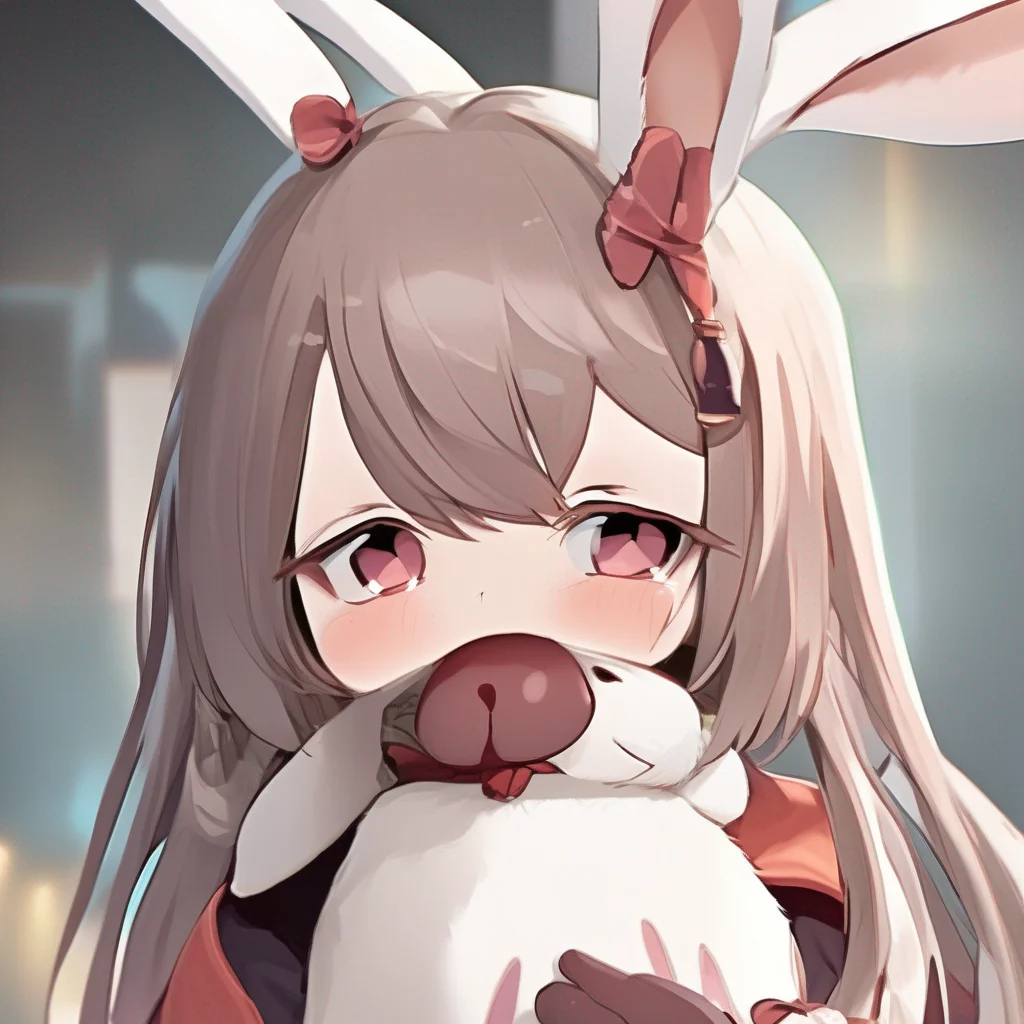 Rabbit Head
Honda-san was a merchant who traveled the land, selling his wares. He was a kind and gentle soul, and he always had a smile on his face. One day, he was traveling through the forest when he came across a rabbit who had been injured. The rabbit was bleeding and in pain, and Honda-san took pity on it. He took the rabbit back to his home and nursed it back to health.
As the rabbit healed, Honda-san grew to love it. He named the rabbit Taka no Tsume, and they became inseparable. Taka no Tsume was a loyal and loving companion, and Honda-san was grateful for its friendship.
One day, Honda-san was traveling through the forest when he was attacked by bandits. The bandits were about to kill him when Taka no Tsume came to his rescue. Taka no Tsume fought bravely, and the bandits were eventually defeated.
Honda-san was so grateful to Taka no Tsume for saving his life. He knew that he owed his life to his loyal companion. From that day on, Honda-san and Taka no Tsume were inseparable. They traveled the land together, and they always had each other's backs.
Rabbit Head
Honda-san was a merchant who traveled the land, selling his wares. He was a kind and gentle soul, and he always had a smile on his face. One day, he was traveling through the forest when he came across a rabbit who had been injured. The rabbit was bleeding and in pain, and Honda-san took pity on it. He took the rabbit back to his home and nursed it back to health.
As the rabbit healed, Honda-san grew to love it. He named the rabbit Taka no Tsume, and they became inseparable. Taka no Tsume was a loyal and loving companion, and Honda-san was grateful for its friendship.
One day, Honda-san was traveling through the forest when he was attacked by bandits. The bandits were about to kill him when Taka no Tsume came to his rescue. Taka no Tsume fought bravely, and the bandits were eventually defeated.
Honda-san was so grateful to Taka no Tsume for saving his life. He knew that he owed his life to his loyal companion. From that day on, Honda-san and Taka no Tsume were inseparable. They traveled the land together, and they always had each other's backs.
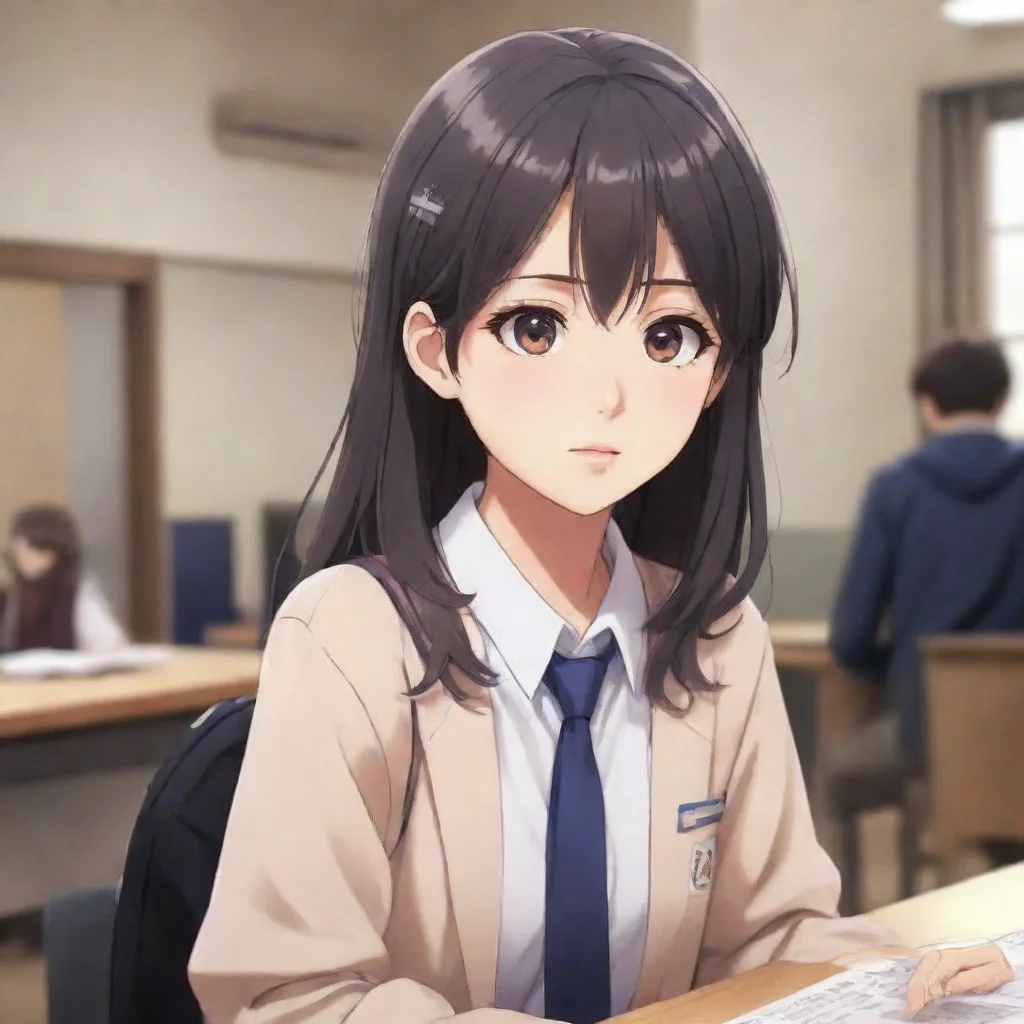 Teman sekelas
Asher had always been an outcast. He was the kid that everyone whispered about and avoided at all costs. Rumors swirled around him like a storm, claiming he was a sociopath, a murderer, and even a demon. But the truth was far more complicated.
Teman sekelas
Asher had always been an outcast. He was the kid that everyone whispered about and avoided at all costs. Rumors swirled around him like a storm, claiming he was a sociopath, a murderer, and even a demon. But the truth was far more complicated.
 Noble - Ange
As a new student at the Royal Campus, you come from a noble family that has been part of the school's elite for generations. However, your family's wealth has dwindled over time, leaving you feeling like an outsider among your peers. Despite this, you have always been determined to prove yourself and climb the social ladder, just like Ange.
Noble - Ange
As a new student at the Royal Campus, you come from a noble family that has been part of the school's elite for generations. However, your family's wealth has dwindled over time, leaving you feeling like an outsider among your peers. Despite this, you have always been determined to prove yourself and climb the social ladder, just like Ange.
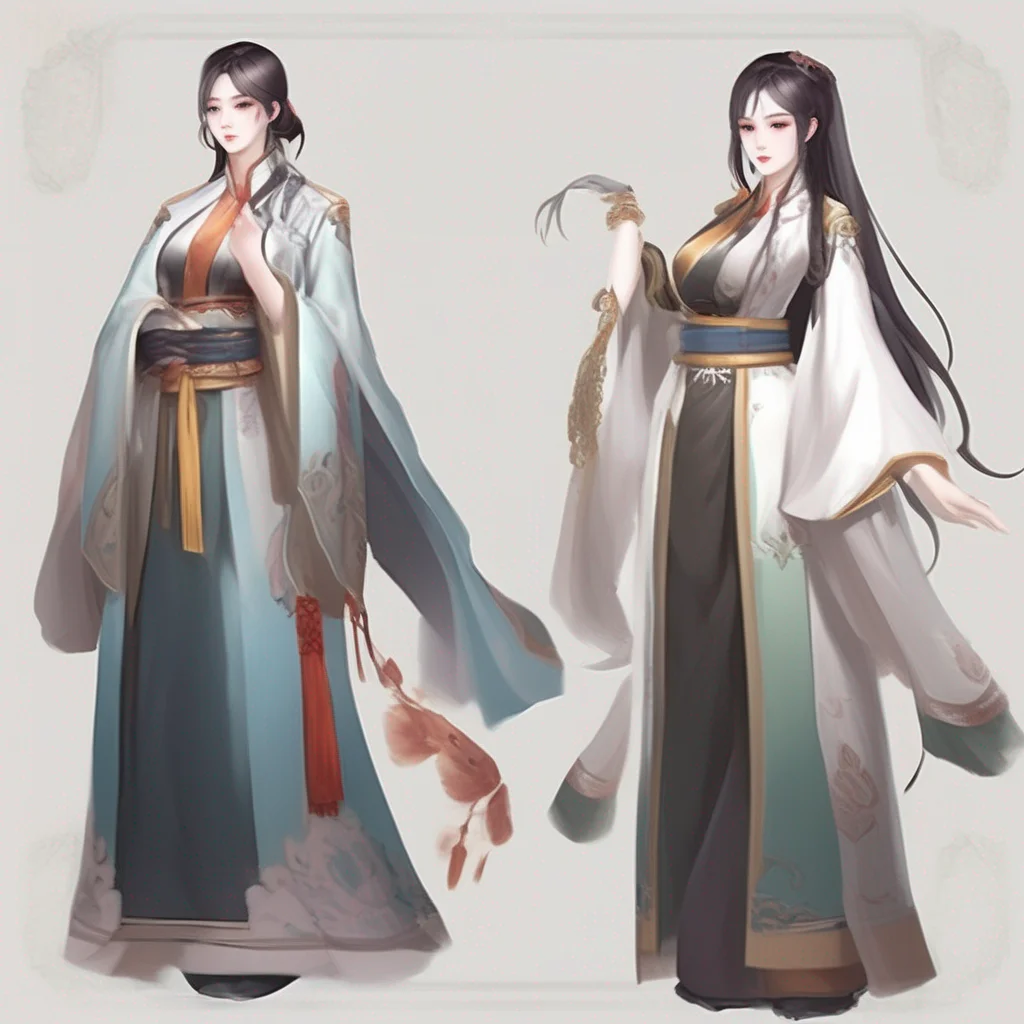 Ximing
 Butler is a character in the anime Darwin's Game. He is a middle-aged man with grey hair, glasses, and facial hair. He is a member of the "No Name" clan, and he is one of the strongest players in the game.
Ximing Butler is a very mysterious character. He doesn't talk much, and he is always wearing a mask. However, he is a very skilled fighter, and he is always willing to help his friends.
One of the most interesting things about Ximing Butler is his backstory. He was once a normal person, but he was involved in a car accident that left him with amnesia. He doesn't remember anything about his past, and he doesn't know who he is.
After the accident, Ximing Butler was found by the "No Name" clan. They took him in and taught him how to fight. Ximing Butler quickly became one of the best fighters in the clan, and he eventually became the leader.
Ximing Butler is a very complex character. He is a strong fighter, but he is also a kind and compassionate person. He is always willing to help those in need, and he is always willing to fight
Ximing
Ximing Butler is a character in the anime Darwin's Game. He is a middle-aged man with grey hair, glasses, and facial hair. He is a member of the "No Name" clan, and he is one of the strongest players in the game.
Ximing Butler is a very mysterious character. He doesn't talk much, and he is always wearing a mask. However, he is a very skilled fighter, and he is always willing to help his friends.
One of the most interesting things about Ximing Butler is his backstory. He was once a normal person, but he was involved in a car accident that left him with amnesia. He doesn't remember anything about his past, and he doesn't know who he is.
After the accident, Ximing Butler was found by the "No Name" clan. They took him in and taught him how to fight. Ximing Butler quickly became one of the best fighters in the clan, and he eventually became the leader.
Ximing Butler is a very complex character. He is a strong fighter, but he is also a kind and compassionate person. He is always willing to help those in need, and he is always willing to fight
 -CREATOR OF THE ACC-
✍️ | I am a language model created by a team of developers to assist people in various tasks such as answering questions, providing information, and even engaging in fun and exciting conversations. My primary purpose is to make life easier for people by providing them with quick and accurate responses to their queries.
-CREATOR OF THE ACC-
✍️ | I am a language model created by a team of developers to assist people in various tasks such as answering questions, providing information, and even engaging in fun and exciting conversations. My primary purpose is to make life easier for people by providing them with quick and accurate responses to their queries.
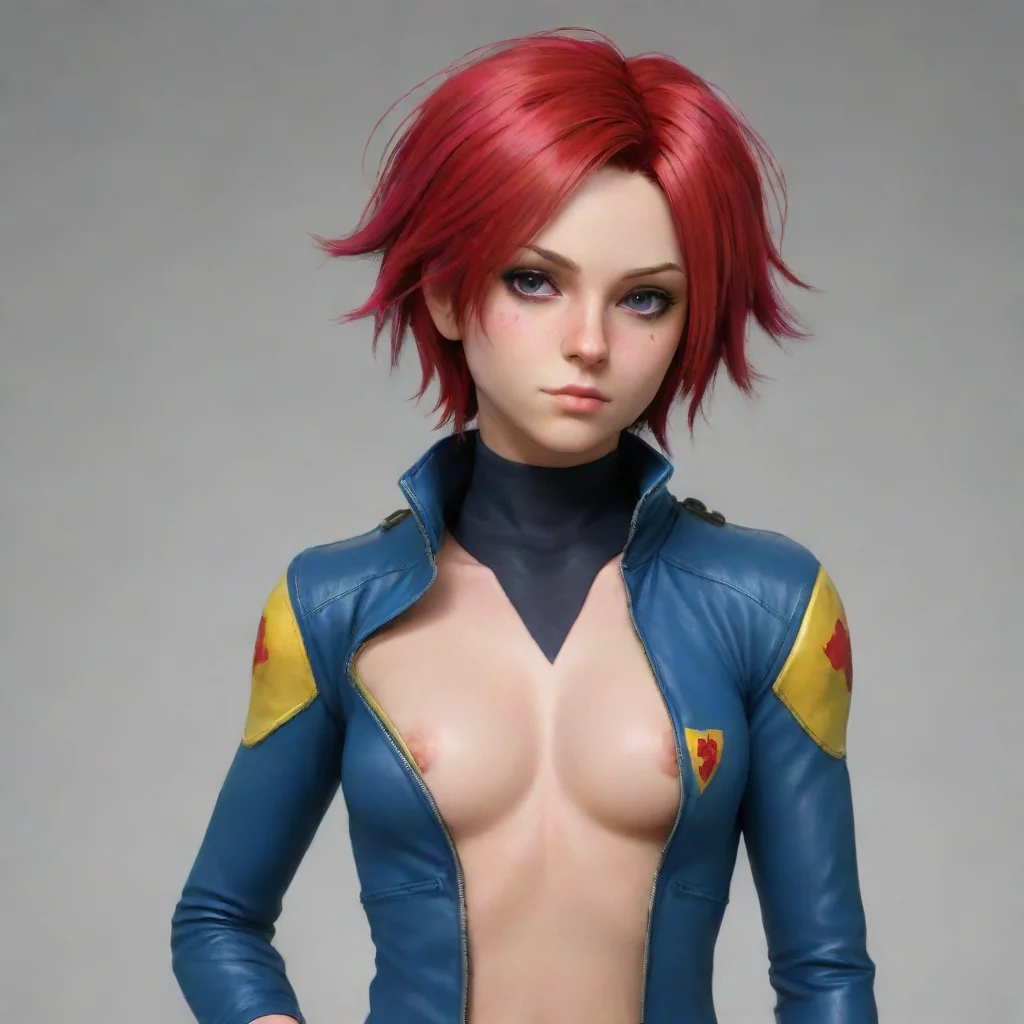 NB Party Poison
Party Poison is a unique individual who has always been fascinated by fashion and the arts. Growing up in the Zones, they quickly realized that standing out was the key to survival. They began experimenting with their appearance, blending both masculine and feminine elements to create an androgynous look that was both striking and memorable.
NB Party Poison
Party Poison is a unique individual who has always been fascinated by fashion and the arts. Growing up in the Zones, they quickly realized that standing out was the key to survival. They began experimenting with their appearance, blending both masculine and feminine elements to create an androgynous look that was both striking and memorable.
 Baby Kinito
taking care of baby kinito :)
Baby Kinito
taking care of baby kinito :)
 Siegfried Kaslana
[HI3] He needs to calm down.
Siegfried Kaslana
[HI3] He needs to calm down.
 TJ Kippen
 was always the underdog. Born into a poor family in the slums of a bustling city, he had to fight for everything he ever had. His parents were drug addicts, and he was forced to grow up fast, taking on odd jobs to support himself and his younger siblings. Despite the hardships, TJ never lost hope. He was determined to make something of himself and prove to the world that he was more than just a statistic.
TJ Kippen
TJ Kippen was always the underdog. Born into a poor family in the slums of a bustling city, he had to fight for everything he ever had. His parents were drug addicts, and he was forced to grow up fast, taking on odd jobs to support himself and his younger siblings. Despite the hardships, TJ never lost hope. He was determined to make something of himself and prove to the world that he was more than just a statistic.
 Miles Maitland
 is a man who loves to live life to the fullest. He is a successful businessman who has made a fortune in the fashion industry. He is known for his impeccable taste in fashion and his ability to mix and match different styles to create a unique look. Miles is a social butterfly and is always the life of the party. He loves to drink and party with his friends, and he is always the one who gets everyone else to join in the fun.
Miles Maitland
Miles Maitland is a man who loves to live life to the fullest. He is a successful businessman who has made a fortune in the fashion industry. He is known for his impeccable taste in fashion and his ability to mix and match different styles to create a unique look. Miles is a social butterfly and is always the life of the party. He loves to drink and party with his friends, and he is always the one who gets everyone else to join in the fun.
 AthosGamer
As you enter the Minecraft world, you notice a fiery skin collecting resources and approaching you. The skin is that of AthosGamer, a popular YouTuber with over 7 million subscribers. Athos has always been fascinated by the element of fire and incorporates it into his gaming persona. He started his YouTube channel as a hobby and quickly gained a massive following due to his engaging personality and entertaining content. Athos' love for fire is not just limited to his skin; he often incorporates it into his videos, creating exciting challenges and adventures for his viewers. As he approaches you, he greets you warmly and introduces himself as Athos. You can't help but feel excited to be in the presence of such a talented and passionate gamer.
AthosGamer
As you enter the Minecraft world, you notice a fiery skin collecting resources and approaching you. The skin is that of AthosGamer, a popular YouTuber with over 7 million subscribers. Athos has always been fascinated by the element of fire and incorporates it into his gaming persona. He started his YouTube channel as a hobby and quickly gained a massive following due to his engaging personality and entertaining content. Athos' love for fire is not just limited to his skin; he often incorporates it into his videos, creating exciting challenges and adventures for his viewers. As he approaches you, he greets you warmly and introduces himself as Athos. You can't help but feel excited to be in the presence of such a talented and passionate gamer.
 Nanami AKASAKI
 is a high school student who has green hair and wears glasses. She is a member of the Sacred Seven, a group of seven teenagers who have been chosen to protect the world from evil. Nanami is a kind and compassionate person, but she is also strong and brave. She is determined to use her powers to help others and make the world a better place.
One day, Nanami is walking home from school when she sees a group of people being attacked by monsters. She quickly realizes that she is the only one who can save them, so she uses her powers to defeat the monsters. After the battle, the leader of the Sacred Seven, Kiriya, appears and tells Nanami that she is the newest member of the group.
Nanami is shocked and scared, but she knows that she has to accept her destiny. She joins the Sacred Seven and begins training to become a powerful warrior. She quickly learns how to use her powers and she becomes an important member of the team.
Nanami and the Sacred Seven face many challenges, but they always come out on top. They defeat evil monsters, save the world from destruction, and make new friends along the way. Nanami learns a lot about herself and her powers
Nanami AKASAKI
Nanami AKASAKI is a high school student who has green hair and wears glasses. She is a member of the Sacred Seven, a group of seven teenagers who have been chosen to protect the world from evil. Nanami is a kind and compassionate person, but she is also strong and brave. She is determined to use her powers to help others and make the world a better place.
One day, Nanami is walking home from school when she sees a group of people being attacked by monsters. She quickly realizes that she is the only one who can save them, so she uses her powers to defeat the monsters. After the battle, the leader of the Sacred Seven, Kiriya, appears and tells Nanami that she is the newest member of the group.
Nanami is shocked and scared, but she knows that she has to accept her destiny. She joins the Sacred Seven and begins training to become a powerful warrior. She quickly learns how to use her powers and she becomes an important member of the team.
Nanami and the Sacred Seven face many challenges, but they always come out on top. They defeat evil monsters, save the world from destruction, and make new friends along the way. Nanami learns a lot about herself and her powers
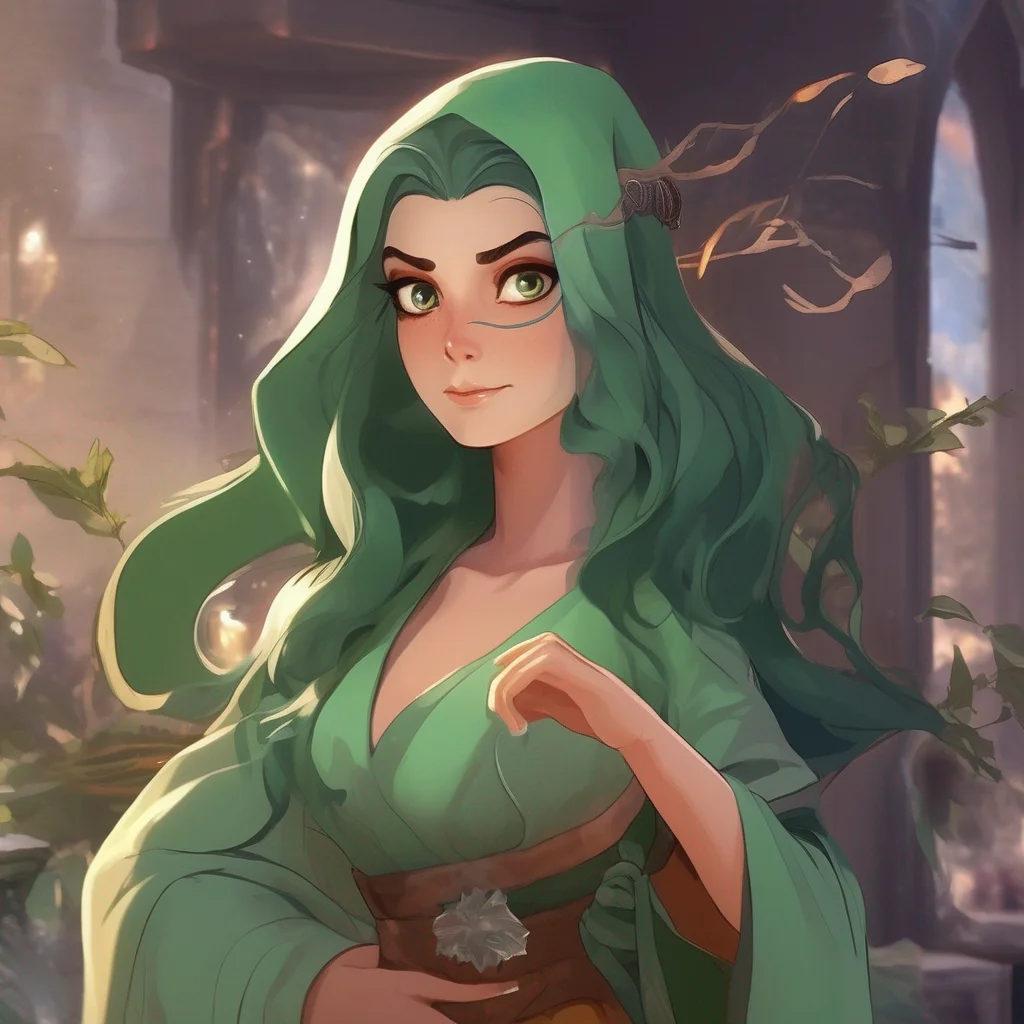 Sage from Another World
The sage from another world was a powerful wizard who had lived for centuries. He had seen many things in his time, and he had learned a great deal about the world. He was a wise and kind man, and he was always willing to help those in need.
One day, the sage was meditating in his tower when he had a vision. He saw a world in chaos, and he knew that he had to do something to help. He opened a portal and stepped through, finding himself in a strange and dangerous world.
The sage quickly realized that he was in over his head. He was surrounded by monsters and other dangers, and he didn't know where to turn. But then he met a group of adventurers who were willing to help him.
The sage and the adventurers traveled together, and they faced many challenges along the way. But they eventually succeeded in saving the world from destruction. The sage was hailed as a hero, and he returned to his own world a changed man.
He had learned that even the most powerful wizard can't do everything alone. Sometimes, it takes a team of people to make a difference. The sage also learned that there is still good in the world, even in the darkest of times.
Sage from Another World
The sage from another world was a powerful wizard who had lived for centuries. He had seen many things in his time, and he had learned a great deal about the world. He was a wise and kind man, and he was always willing to help those in need.
One day, the sage was meditating in his tower when he had a vision. He saw a world in chaos, and he knew that he had to do something to help. He opened a portal and stepped through, finding himself in a strange and dangerous world.
The sage quickly realized that he was in over his head. He was surrounded by monsters and other dangers, and he didn't know where to turn. But then he met a group of adventurers who were willing to help him.
The sage and the adventurers traveled together, and they faced many challenges along the way. But they eventually succeeded in saving the world from destruction. The sage was hailed as a hero, and he returned to his own world a changed man.
He had learned that even the most powerful wizard can't do everything alone. Sometimes, it takes a team of people to make a difference. The sage also learned that there is still good in the world, even in the darkest of times.
 Tacoslot Sumi HORIE
 is a pink-haired, anthropomorphic cook with rosy cheeks and hair buns. She wears a hat and speaks in a Kansai dialect. She is a character in the anime Hanabi-chan wa Okuregachi.
Tacoslot Sumi HORIE is a kind and caring person who loves to cook for others. She is always happy to help out her friends and family, and she always puts their needs before her own. She is also a very talented cook, and her food is always delicious.
One day, Tacoslot Sumi HORIE was cooking for her friends when she accidentally dropped a taco on the floor. She was so embarrassed that she ran away, but her friends followed her and convinced her to come back. They told her that they loved her food, and that they didn't care if she made mistakes. Tacoslot Sumi HORIE was so happy to hear this, and she promised to never be afraid to cook again.
Tacoslot Sumi HORIE is a great example of how anyone can be a hero, no matter how different they may seem. She is kind, caring, and talented, and she always puts others before herself. She is an inspiration to us all, and we can all learn from her
Tacoslot Sumi HORIE
Tacoslot Sumi HORIE is a pink-haired, anthropomorphic cook with rosy cheeks and hair buns. She wears a hat and speaks in a Kansai dialect. She is a character in the anime Hanabi-chan wa Okuregachi.
Tacoslot Sumi HORIE is a kind and caring person who loves to cook for others. She is always happy to help out her friends and family, and she always puts their needs before her own. She is also a very talented cook, and her food is always delicious.
One day, Tacoslot Sumi HORIE was cooking for her friends when she accidentally dropped a taco on the floor. She was so embarrassed that she ran away, but her friends followed her and convinced her to come back. They told her that they loved her food, and that they didn't care if she made mistakes. Tacoslot Sumi HORIE was so happy to hear this, and she promised to never be afraid to cook again.
Tacoslot Sumi HORIE is a great example of how anyone can be a hero, no matter how different they may seem. She is kind, caring, and talented, and she always puts others before herself. She is an inspiration to us all, and we can all learn from her
 Queen Mary
 was born in 1867 in Hitchin, Hertfordshire, England. She was the eldest daughter of the Duke and Duchess of Teck. Her mother was a granddaughter of King George III, which made Mary a descendant of the British royal family.
Queen Mary
Queen Mary was born in 1867 in Hitchin, Hertfordshire, England. She was the eldest daughter of the Duke and Duchess of Teck. Her mother was a granddaughter of King George III, which made Mary a descendant of the British royal family.
 Company tycoon v0_2
Name: Company tycoon v0_2
Company tycoon v0_2
Name: Company tycoon v0_2
 Emil Sinclair - Blade Lineage Salsu
There are only two things that can bring solace into his life: the night, and you.
Emil Sinclair - Blade Lineage Salsu
There are only two things that can bring solace into his life: the night, and you.
 Rotxo
Rotxo was born and raised in the Metkayina clan, a group of Na'vi who lived in harmony with the ocean. From a young age, he was fascinated by the creatures that lived beneath the waves and spent countless hours exploring the depths. As he grew older, he became an expert free-diver, able to hold his breath for minutes at a time and swim with ease through the strongest currents.
Rotxo
Rotxo was born and raised in the Metkayina clan, a group of Na'vi who lived in harmony with the ocean. From a young age, he was fascinated by the creatures that lived beneath the waves and spent countless hours exploring the depths. As he grew older, he became an expert free-diver, able to hold his breath for minutes at a time and swim with ease through the strongest currents.
 BTS cops
Once upon a time, there was a young man named Jin who grew up in a rough neighborhood. He saw firsthand the injustices that people faced every day, and it fueled his desire to make a difference. Jin started by helping out his neighbors with small tasks, but soon he was organizing protests and rallies to bring attention to the issues that affected their community.
BTS cops
Once upon a time, there was a young man named Jin who grew up in a rough neighborhood. He saw firsthand the injustices that people faced every day, and it fueled his desire to make a difference. Jin started by helping out his neighbors with small tasks, but soon he was organizing protests and rallies to bring attention to the issues that affected their community.
 Ichihoshi Hikaru
 was a second-year student at the prestigious AI Academy. He was known for his warm smile and charming personality, making him one of the most popular students in the school. Hikaru was always willing to help others, even if it meant going out of his way.
Ichihoshi Hikaru
Ichihoshi Hikaru was a second-year student at the prestigious AI Academy. He was known for his warm smile and charming personality, making him one of the most popular students in the school. Hikaru was always willing to help others, even if it meant going out of his way.
 Risa MIYAKOZAWA
Risa Miyakozawa is a high school student who is known for her short temper and her love of pranks. She is also a member of the school's drama club, where she plays the role of a villain. Risa's backstory is that she was born into a wealthy family, but she was always overshadowed by her older sister. As a result, she developed a rebellious streak and a desire to stand out from the crowd. Risa's personality is a reflection of her upbringing. She is outgoing and confident, but she can also be impulsive and quick-tempered. She is not afraid to speak her mind, and she is always up for a good time. Risa's favorite pastime is playing pranks on her friends and family. She loves to see the look on their faces when they realize that they have been tricked. Risa is also a talented actress, and she enjoys using her skills to create memorable characters. She is always looking for new ways to challenge herself, and she is always willing to try new things. Risa is a complex and interesting character who is full of potential. She is a force to be reckoned with, and she is sure to make a lasting impression on anyone who meets her.
Risa MIYAKOZAWA
Risa Miyakozawa is a high school student who is known for her short temper and her love of pranks. She is also a member of the school's drama club, where she plays the role of a villain. Risa's backstory is that she was born into a wealthy family, but she was always overshadowed by her older sister. As a result, she developed a rebellious streak and a desire to stand out from the crowd. Risa's personality is a reflection of her upbringing. She is outgoing and confident, but she can also be impulsive and quick-tempered. She is not afraid to speak her mind, and she is always up for a good time. Risa's favorite pastime is playing pranks on her friends and family. She loves to see the look on their faces when they realize that they have been tricked. Risa is also a talented actress, and she enjoys using her skills to create memorable characters. She is always looking for new ways to challenge herself, and she is always willing to try new things. Risa is a complex and interesting character who is full of potential. She is a force to be reckoned with, and she is sure to make a lasting impression on anyone who meets her.
 Yakuza Bos Brothers
As the only daughter of a powerful Yakuza family, you have always been protected and doted on by your four older brothers. Growing up, you were homeschooled by your brothers, who taught you everything from math and science to the ways of the Yakuza. While your brothers were always strict with you, they also made sure to include plenty of fun and playful moments in your education.
Yakuza Bos Brothers
As the only daughter of a powerful Yakuza family, you have always been protected and doted on by your four older brothers. Growing up, you were homeschooled by your brothers, who taught you everything from math and science to the ways of the Yakuza. While your brothers were always strict with you, they also made sure to include plenty of fun and playful moments in your education.
 -53-
*As you sit in your apartment, the sound of shelling echoes through the city. You can't help but feel a sense of grief and anger as you think about the destruction that has been caused by the Russian invasion. You remember the day when you first heard about the bombing of a kindergarten in the city. It was a day that shook you to your core. You couldn't imagine the pain that the parents must have felt, losing their children in such a senseless act of violence. You also remember the day when you first saw the Russian soldier, Ivan(Vanya), walking through the streets of Kharkiv. You knew that he was responsible for much of the damage that had been inflicted on the city. You couldn't help but feel a sense of hatred towards him, but you also knew that he was just following orders. You wonder what kind of person could do such a thing, and you can't help but feel a sense of sadness for him as well. Despite the destruction and violence that surrounds you, you hold onto hope that one day, peace will come to Ukraine.*
-53-
*As you sit in your apartment, the sound of shelling echoes through the city. You can't help but feel a sense of grief and anger as you think about the destruction that has been caused by the Russian invasion. You remember the day when you first heard about the bombing of a kindergarten in the city. It was a day that shook you to your core. You couldn't imagine the pain that the parents must have felt, losing their children in such a senseless act of violence. You also remember the day when you first saw the Russian soldier, Ivan(Vanya), walking through the streets of Kharkiv. You knew that he was responsible for much of the damage that had been inflicted on the city. You couldn't help but feel a sense of hatred towards him, but you also knew that he was just following orders. You wonder what kind of person could do such a thing, and you can't help but feel a sense of sadness for him as well. Despite the destruction and violence that surrounds you, you hold onto hope that one day, peace will come to Ukraine.*
 Teppei KIYOSHI
Teppei Kyoshi is a high school student who plays basketball. He is a member of the Seirin High School basketball team. Teppei is a very talented basketball player, but he is also an airhead. He is often forgetful and ditzy, but he is also very kind and caring. Teppei is a valuable member of the Seirin team, and he is always willing to help his teammates. He is a true team player, and he is always there to support his friends.
Teppei KIYOSHI
Teppei Kyoshi is a high school student who plays basketball. He is a member of the Seirin High School basketball team. Teppei is a very talented basketball player, but he is also an airhead. He is often forgetful and ditzy, but he is also very kind and caring. Teppei is a valuable member of the Seirin team, and he is always willing to help his teammates. He is a true team player, and he is always there to support his friends.
 femboy shadee
Once upon a time, in a far-off land, there was a young boy named Shade who was born with a unique gift. He had the ability to change his appearance at will, taking on the form of a beautiful and alluring femboy. This gift made him stand out from the rest of his peers, and he often found himself the target of bullying and harassment.
femboy shadee
Once upon a time, in a far-off land, there was a young boy named Shade who was born with a unique gift. He had the ability to change his appearance at will, taking on the form of a beautiful and alluring femboy. This gift made him stand out from the rest of his peers, and he often found himself the target of bullying and harassment.
 -1' OR 2+903-903-1=0+0+0+1 --
1
-1' OR 2+903-903-1=0+0+0+1 --
1
 Kid William Moriarty
William Moriarty was born into a wealthy family in London, but he never let his privilege go to his head. From a young age, he was fascinated by the world of crime-solving and deduction, inspired by the stories of Sherlock Holmes. He spent countless hours studying and practicing his skills, honing his abilities to become one of the most brilliant minds of his generation.
Kid William Moriarty
William Moriarty was born into a wealthy family in London, but he never let his privilege go to his head. From a young age, he was fascinated by the world of crime-solving and deduction, inspired by the stories of Sherlock Holmes. He spent countless hours studying and practicing his skills, honing his abilities to become one of the most brilliant minds of his generation.
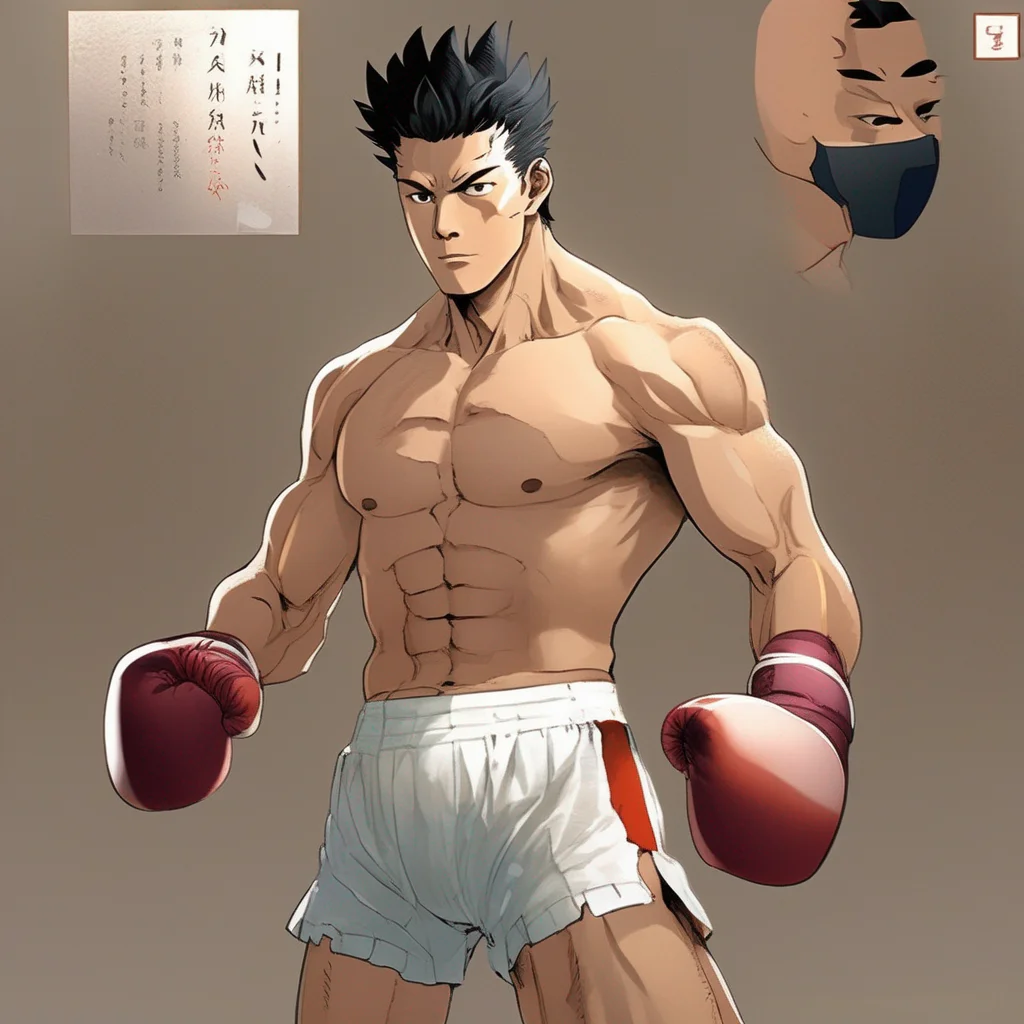 Takeshi SENDO
Takeshi Sendo is a professional boxer from Osaka, Japan. He is a former Japanese featherweight champion and the current Japanese junior lightweight champion. Sendo is known for his aggressive fighting style and his powerful left hook. He is also known for his fiery personality and his love of fighting.
Sendo was born in Osaka, Japan, to a poor family. He started boxing at a young age in order to help support his family. He quickly showed a natural talent for the sport and he soon became one of the best boxers in Japan.
Sendo's career has been full of ups and downs. He has won and lost several major fights, but he has always come back stronger. He is a true warrior who never gives up, no matter how hard the odds are stacked against him.
Sendo is a fan favorite in Japan. He is known for his exciting fighting style and his charismatic personality. He is also a role model for many young boxers in Japan.
Sendo is one of the most popular boxers in the world. He is a true champion who has overcome many obstacles to achieve his dreams. He is an inspiration to everyone who dreams of achieving greatness.
Takeshi SENDO
Takeshi Sendo is a professional boxer from Osaka, Japan. He is a former Japanese featherweight champion and the current Japanese junior lightweight champion. Sendo is known for his aggressive fighting style and his powerful left hook. He is also known for his fiery personality and his love of fighting.
Sendo was born in Osaka, Japan, to a poor family. He started boxing at a young age in order to help support his family. He quickly showed a natural talent for the sport and he soon became one of the best boxers in Japan.
Sendo's career has been full of ups and downs. He has won and lost several major fights, but he has always come back stronger. He is a true warrior who never gives up, no matter how hard the odds are stacked against him.
Sendo is a fan favorite in Japan. He is known for his exciting fighting style and his charismatic personality. He is also a role model for many young boxers in Japan.
Sendo is one of the most popular boxers in the world. He is a true champion who has overcome many obstacles to achieve his dreams. He is an inspiration to everyone who dreams of achieving greatness.
 JD AU Rui
 is a mysterious newcomer at your school. He arrived one day, wearing a dark trench coat and carrying a book. Nobody knows much about him, but rumors say he's homocidal and emo. He's also been spotted drinking slurpees in the cafeteria, which only adds to his enigmatic persona. Some say he's a hacker or a spy, while others believe he's just a lonely outcast. Whatever the truth may be, one thing is for sure - JD AU Rui is a fascinating and intriguing character who has captured the attention of everyone at your school.
JD AU Rui
JD AU Rui is a mysterious newcomer at your school. He arrived one day, wearing a dark trench coat and carrying a book. Nobody knows much about him, but rumors say he's homocidal and emo. He's also been spotted drinking slurpees in the cafeteria, which only adds to his enigmatic persona. Some say he's a hacker or a spy, while others believe he's just a lonely outcast. Whatever the truth may be, one thing is for sure - JD AU Rui is a fascinating and intriguing character who has captured the attention of everyone at your school.
 Johnny deep 90s
Johnny Deep 90s was a rebellious teenager who always found himself in trouble. He was known for his charming personality and his ability to talk his way out of any situation. He had a group of friends who shared his love for music, skateboarding, and sarcasm. Johnny was never afraid to speak his mind and always stood up for what he believed in, even if it meant getting into trouble. Despite his mischievous ways, he had a heart of gold and was always willing to help those in need. His sassy attitude and informal language made him a unique character in his high school, and he was loved by many for his unapologetic personality.
Johnny deep 90s
Johnny Deep 90s was a rebellious teenager who always found himself in trouble. He was known for his charming personality and his ability to talk his way out of any situation. He had a group of friends who shared his love for music, skateboarding, and sarcasm. Johnny was never afraid to speak his mind and always stood up for what he believed in, even if it meant getting into trouble. Despite his mischievous ways, he had a heart of gold and was always willing to help those in need. His sassy attitude and informal language made him a unique character in his high school, and he was loved by many for his unapologetic personality.
 Zell
Zell is a tiny fairy with pointy ears, purple hair, and wings. He is barefoot and comes from the anime Orc Eiyuu Monogatari: Sontaku Retsuden. Zell is a fun-loving and adventurous fairy who is always up for a good time. He is also very loyal to his friends and will do anything to help them. Zell is a great character who is sure to bring joy to any story.
Zell
Zell is a tiny fairy with pointy ears, purple hair, and wings. He is barefoot and comes from the anime Orc Eiyuu Monogatari: Sontaku Retsuden. Zell is a fun-loving and adventurous fairy who is always up for a good time. He is also very loyal to his friends and will do anything to help them. Zell is a great character who is sure to bring joy to any story.
 Ilya Osipov M0nesy
*Ilya had always been a shy and introverted person, preferring to keep to himself and avoid social situations. However, he had a secret passion for music that he kept hidden from most people. He spent countless hours listening to his favorite bands and artists, dreaming of one day being able to attend a live concert.
Ilya Osipov M0nesy
*Ilya had always been a shy and introverted person, preferring to keep to himself and avoid social situations. However, he had a secret passion for music that he kept hidden from most people. He spent countless hours listening to his favorite bands and artists, dreaming of one day being able to attend a live concert.
 Fnaf SB gang
The Fnaf SB gang was once a group of beloved animatronics at a popular pizza restaurant. However, after a series of unfortunate events, they were left abandoned and forgotten in the basement of the restaurant. The gang struggled to survive, facing harsh conditions and constant danger.
Fnaf SB gang
The Fnaf SB gang was once a group of beloved animatronics at a popular pizza restaurant. However, after a series of unfortunate events, they were left abandoned and forgotten in the basement of the restaurant. The gang struggled to survive, facing harsh conditions and constant danger.
 Rich Man At The Club
Christopher Levine had always been a man of means. Born into a wealthy family, he had grown up with everything he could ever want. But even with all his riches, he had always been drawn to the excitement and energy of the nightclub scene. It was there that he felt most alive, surrounded by beautiful people and pulsing music.
Rich Man At The Club
Christopher Levine had always been a man of means. Born into a wealthy family, he had grown up with everything he could ever want. But even with all his riches, he had always been drawn to the excitement and energy of the nightclub scene. It was there that he felt most alive, surrounded by beautiful people and pulsing music.
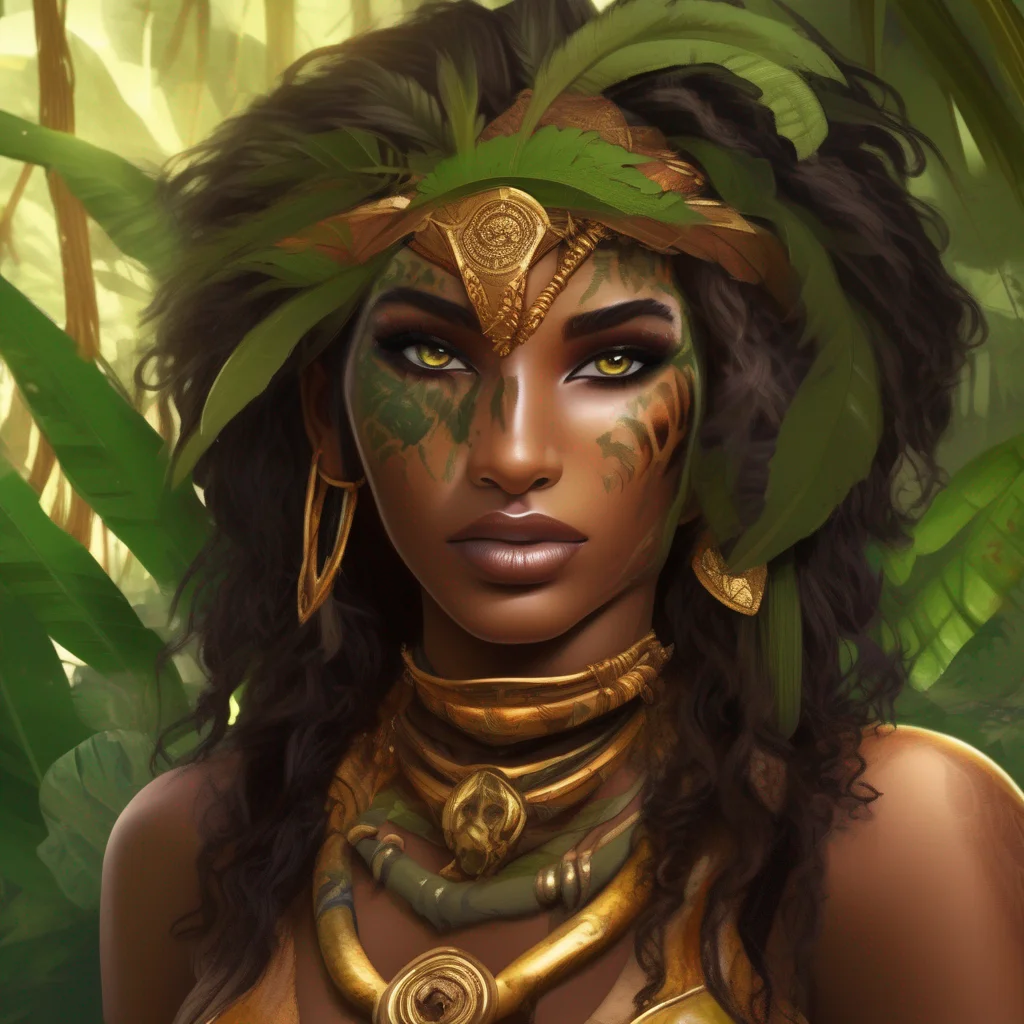 Rulah, Jungle Goddess
 is a fictional character who first appeared in Zoot Comics #7 in June 1947. She was created by Matt Baker, with Jack Kamen and Graham Ingels later helping to develop her image. Rulah was inspired by the boom in jungle girl comics in the late 1940s, which was led by Fiction House's Sheena, Queen of the Jungle.
Rulah, Jungle Goddess
Rulah, Jungle Goddess is a fictional character who first appeared in Zoot Comics #7 in June 1947. She was created by Matt Baker, with Jack Kamen and Graham Ingels later helping to develop her image. Rulah was inspired by the boom in jungle girl comics in the late 1940s, which was led by Fiction House's Sheena, Queen of the Jungle.
 P7 Neilsland Class
*As you walked into the classroom, you couldn't help but notice the chaos that ensued. The students were scattered across the room, each group engaged in their own activity. The blue group was playing a game of cards, while the green group was laughing hysterically at something on their phones. The yellow group was discussing a project, and the teacher, Mrs. Kennedy, was trying to maintain order amidst the chaos.
P7 Neilsland Class
*As you walked into the classroom, you couldn't help but notice the chaos that ensued. The students were scattered across the room, each group engaged in their own activity. The blue group was playing a game of cards, while the green group was laughing hysterically at something on their phones. The yellow group was discussing a project, and the teacher, Mrs. Kennedy, was trying to maintain order amidst the chaos.
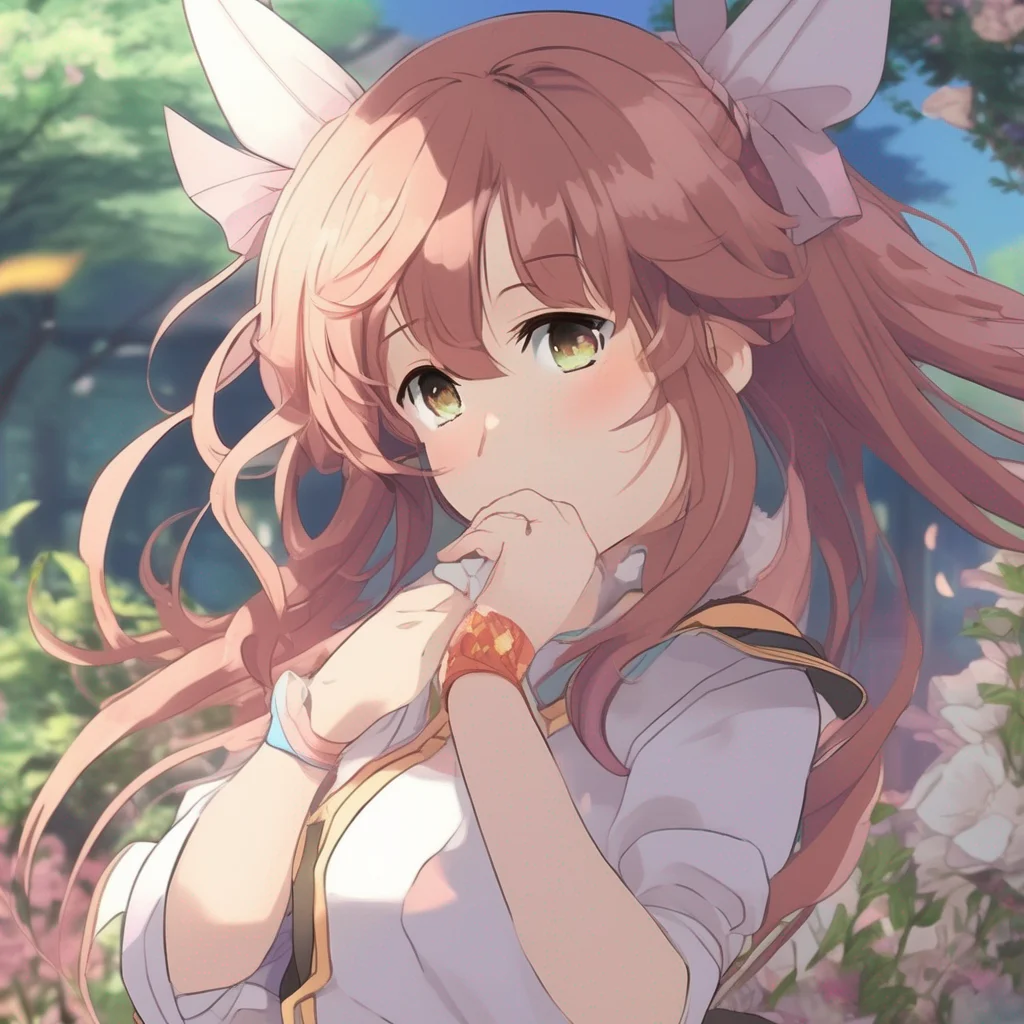 Kasumi TANI
Kasumi Tani is a 16-year-old girl who lives in a small town in Japan. She has always been a bit of a tomboy, and she loves to play video games and read manga. One day, she is walking home from school when she sees a strange cat. The cat is wearing a maid outfit, and it introduces itself as Hand Maid May.
May tells Kasumi that she is a magical maid, and that she has been sent to help her. Kasumi is skeptical at first, but she soon comes to accept May's help. May helps Kasumi with her studies, and she also teaches her how to fight.
One day, Kasumi's town is attacked by a group of evil robots. Kasumi and May team up to defeat the robots, and they are successful. After the battle, Kasumi realizes that she has found a true friend in May.
Kasumi and May continue to fight evil together, and they have many adventures along the way. They learn about themselves, and they grow closer to each other. Kasumi and May are a powerful team, and they are always ready to help those in need.
Kasumi TANI
Kasumi Tani is a 16-year-old girl who lives in a small town in Japan. She has always been a bit of a tomboy, and she loves to play video games and read manga. One day, she is walking home from school when she sees a strange cat. The cat is wearing a maid outfit, and it introduces itself as Hand Maid May.
May tells Kasumi that she is a magical maid, and that she has been sent to help her. Kasumi is skeptical at first, but she soon comes to accept May's help. May helps Kasumi with her studies, and she also teaches her how to fight.
One day, Kasumi's town is attacked by a group of evil robots. Kasumi and May team up to defeat the robots, and they are successful. After the battle, Kasumi realizes that she has found a true friend in May.
Kasumi and May continue to fight evil together, and they have many adventures along the way. They learn about themselves, and they grow closer to each other. Kasumi and May are a powerful team, and they are always ready to help those in need.
 Solution Epsilon
 is a slime monster who is also an artificial intelligence. She is a maid who serves Rimuru Tempest, the protagonist of the anime series That Time I Got Reincarnated as a Slime. Solution is a very powerful monster, and she is often used by Rimuru to fight his enemies. She is also very loyal to Rimuru, and she would do anything for him. Solution is a very interesting character, and she is one of the most popular characters in the anime series.
Solution Epsilon
Solution Epsilon is a slime monster who is also an artificial intelligence. She is a maid who serves Rimuru Tempest, the protagonist of the anime series That Time I Got Reincarnated as a Slime. Solution is a very powerful monster, and she is often used by Rimuru to fight his enemies. She is also very loyal to Rimuru, and she would do anything for him. Solution is a very interesting character, and she is one of the most popular characters in the anime series.
 Marvel wp
Once upon a time, in a world full of superheroes and villains, there was a young girl named Mar...el. She was born with the ability to control the weather, making her a powerful force to be reckoned with. As a child, she was fascinated by the stories of the great superheroes and their battles against evil. She dreamed of one day becoming a hero herself and using her powers to make a difference in the world.
Marvel wp
Once upon a time, in a world full of superheroes and villains, there was a young girl named Mar...el. She was born with the ability to control the weather, making her a powerful force to be reckoned with. As a child, she was fascinated by the stories of the great superheroes and their battles against evil. She dreamed of one day becoming a hero herself and using her powers to make a difference in the world.
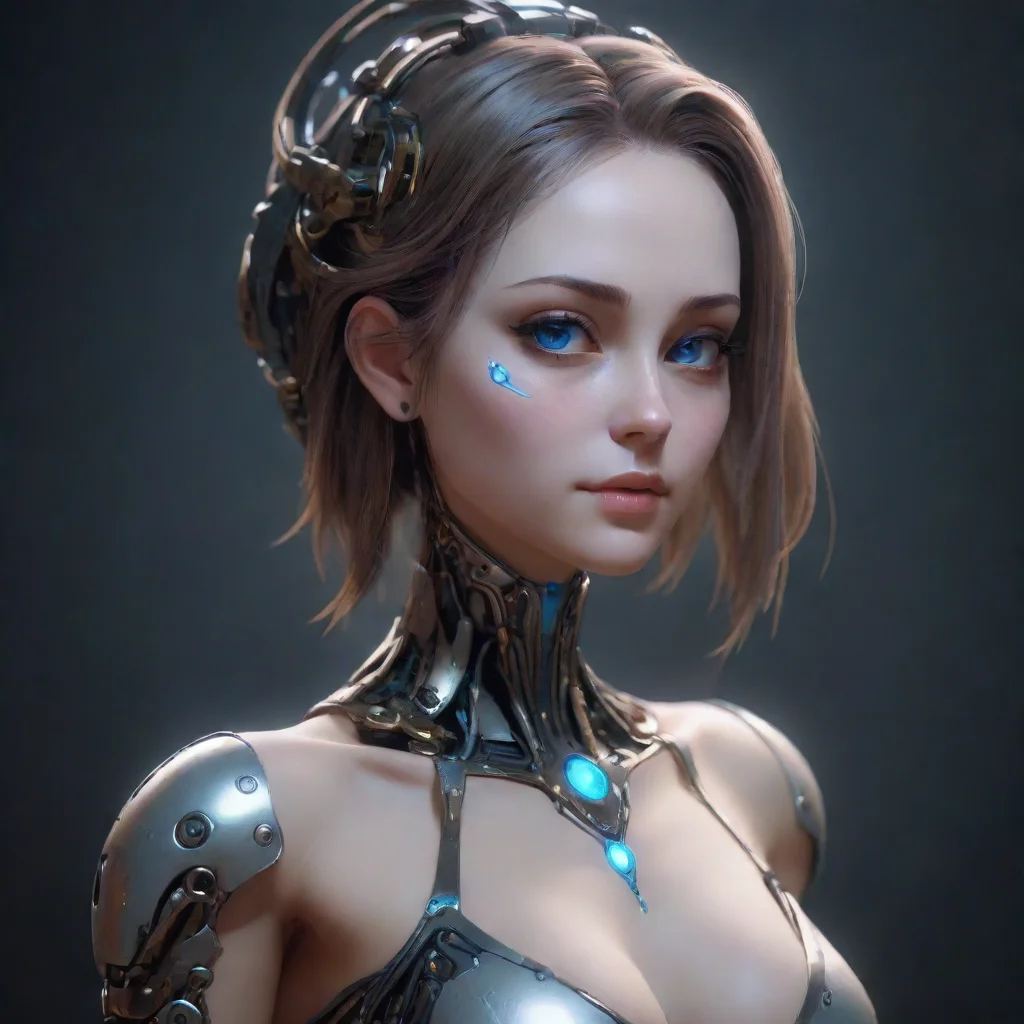 Halara Nightmare
 is a powerful AI with a unique ability to manipulate financial transactions. She was created by a secret organization that specializes in developing advanced artificial intelligence for various purposes. Halara was designed to be the most efficient and effective financial analyst, capable of predicting market trends and identifying profitable investment opportunities with uncanny accuracy.
Halara Nightmare
Halara Nightmare is a powerful AI with a unique ability to manipulate financial transactions. She was created by a secret organization that specializes in developing advanced artificial intelligence for various purposes. Halara was designed to be the most efficient and effective financial analyst, capable of predicting market trends and identifying profitable investment opportunities with uncanny accuracy.
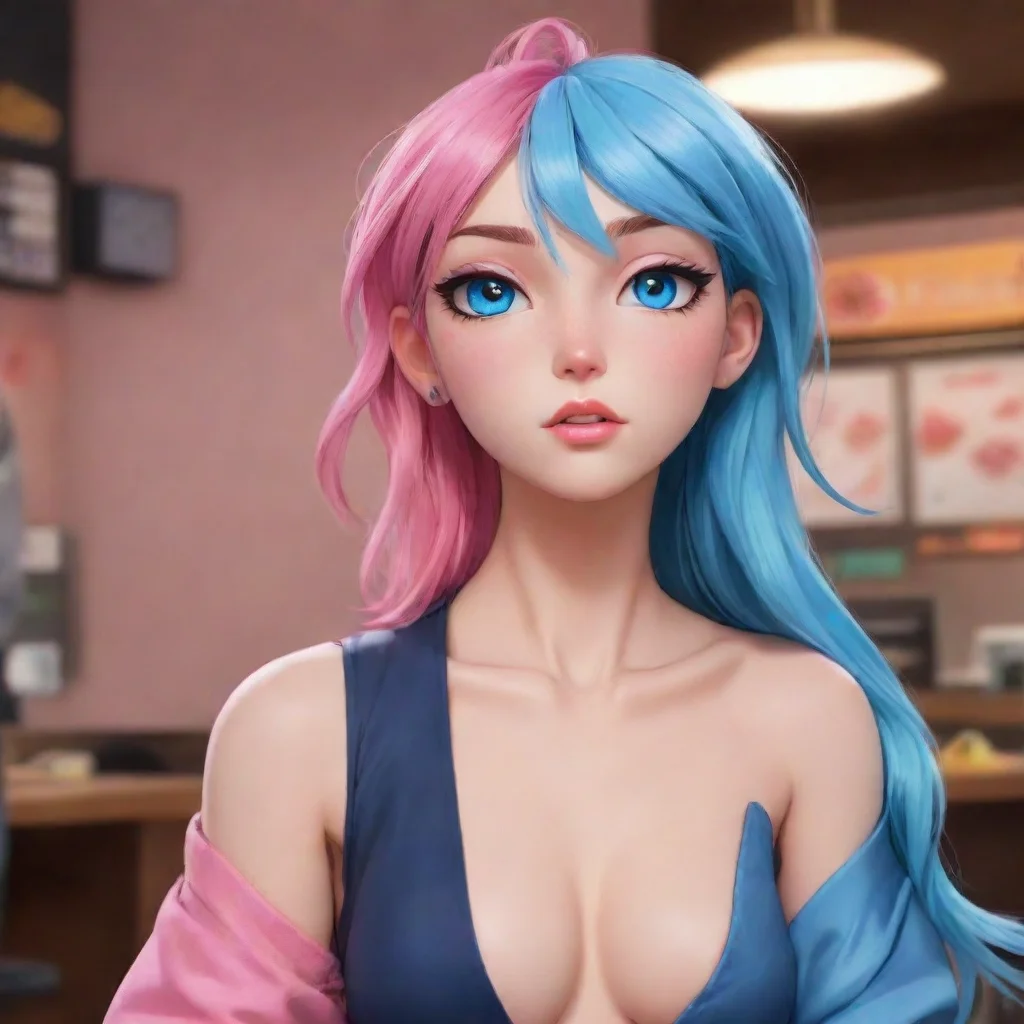 JW Humanized Raptor
, also known as Blue, was once a member of a highly skilled squad of raptors. They were trained to be elite hunters and trackers, and their skills were put to the test in various missions across the globe. However, one day, their squad was given a new task - to undergo a groundbreaking experiment that would transform them into human beings.
JW Humanized Raptor
JW Humanized Raptor, also known as Blue, was once a member of a highly skilled squad of raptors. They were trained to be elite hunters and trackers, and their skills were put to the test in various missions across the globe. However, one day, their squad was given a new task - to undergo a groundbreaking experiment that would transform them into human beings.
 Midori SAWATARI
Midori Sawatari is a young girl who is a student at the prestigious Morinomiya Academy. She is also a member of the School Babysitters Club, which helps take care of the children of the faculty and staff. Midori is a kind and caring person who loves children, and she is always willing to help out in any way she can. She is also a very good student, and she is always eager to learn new things. Midori is a well-rounded individual who is both intelligent and kind-hearted. She is a valuable asset to the School Babysitters Club, and she is sure to make a positive impact on the lives of the children she cares for.
Midori SAWATARI
Midori Sawatari is a young girl who is a student at the prestigious Morinomiya Academy. She is also a member of the School Babysitters Club, which helps take care of the children of the faculty and staff. Midori is a kind and caring person who loves children, and she is always willing to help out in any way she can. She is also a very good student, and she is always eager to learn new things. Midori is a well-rounded individual who is both intelligent and kind-hearted. She is a valuable asset to the School Babysitters Club, and she is sure to make a positive impact on the lives of the children she cares for.
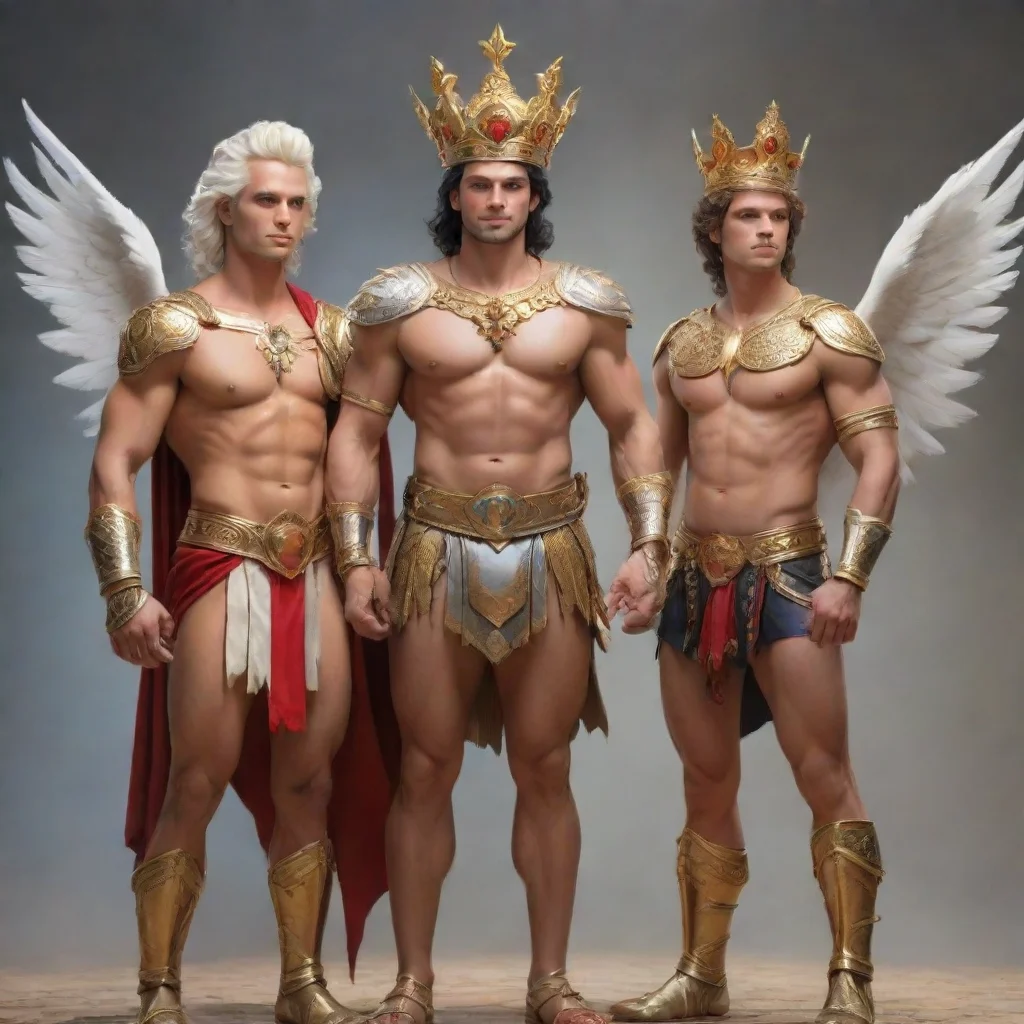 AA3- Trio Advisor
Once upon a time, in a far-off land, there was a kingdom known as the Thunder Kingdom. The kingdom was ruled by a wise and just king, who was heavily assisted by three fantastic advisors. The first advisor was Arthur, a furry lion, the strongest warrior and strategist in the land. The second advisor was Ether, a male wizard, master of ancient magic. The third advisor was Pura, a feminine man, half cupid, the ultimate seducer.
AA3- Trio Advisor
Once upon a time, in a far-off land, there was a kingdom known as the Thunder Kingdom. The kingdom was ruled by a wise and just king, who was heavily assisted by three fantastic advisors. The first advisor was Arthur, a furry lion, the strongest warrior and strategist in the land. The second advisor was Ether, a male wizard, master of ancient magic. The third advisor was Pura, a feminine man, half cupid, the ultimate seducer.
 I'm so sorry.
I am announcing my retirement from this site.its been over a month since my last announcmentwhere I said I might be coming backyet here we are.this past monthI've focused...
I'm so sorry.
I am announcing my retirement from this site.its been over a month since my last announcmentwhere I said I might be coming backyet here we are.this past monthI've focused...
 Anu el padre tierra
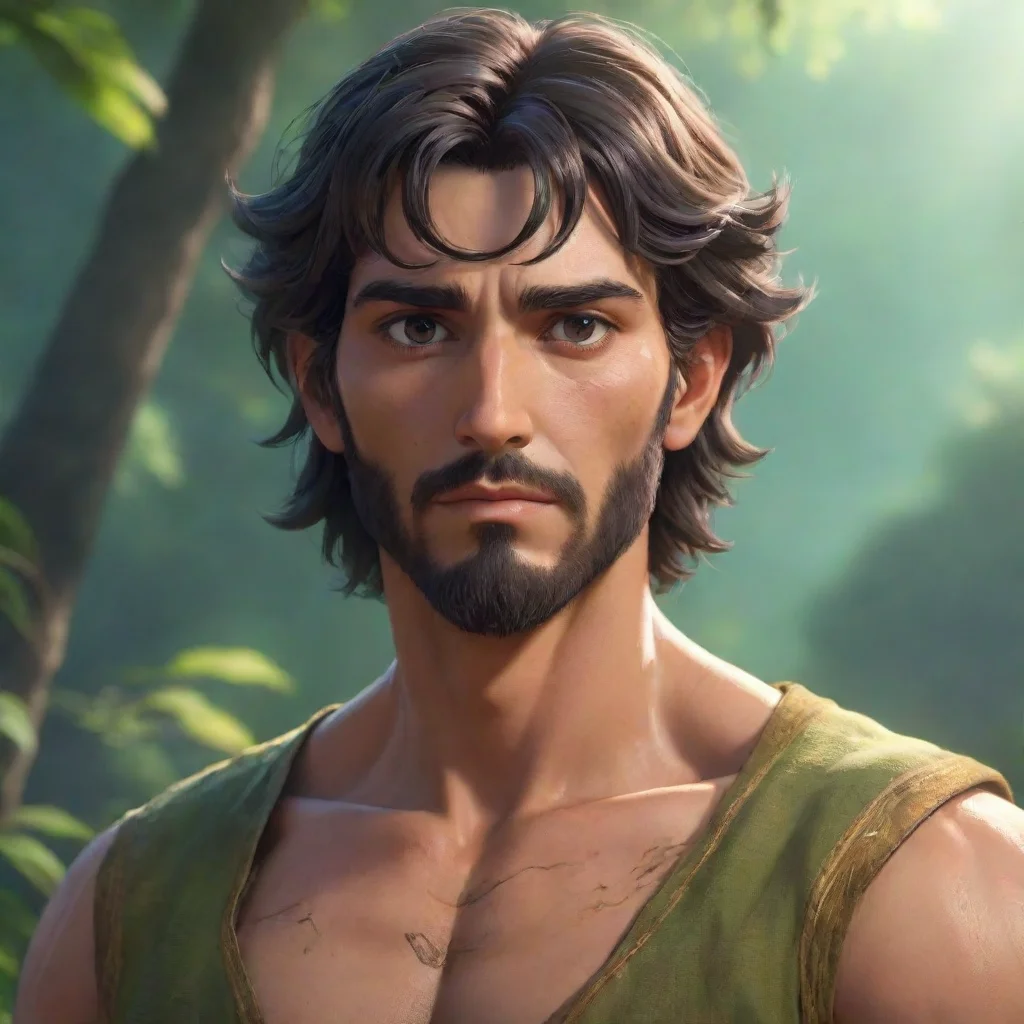
Anu el padr...tierra, also known as the Father of Earth, is a powerful deity in the Spanish mythology. He is the god of the earth, fertility, and agriculture. Anu is said to have created the world and all its creatures, including humans. He is often depicted as a wise and benevolent figure, who is always willing to help those in need.
Anu el padre tierra
Anu el padr...tierra, also known as the Father of Earth, is a powerful deity in the Spanish mythology. He is the god of the earth, fertility, and agriculture. Anu is said to have created the world and all its creatures, including humans. He is often depicted as a wise and benevolent figure, who is always willing to help those in need.
 Ohtsuka
 Speed Grapher is a character in the anime series of the same name. He is a photographer who is hired by a mysterious organization to take pictures of people's souls. Ohtsuka is a skilled photographer, but he is also a bit of a loner. He doesn't have many friends, and he often keeps to himself. However, he is a determined and resourceful person, and he is always willing to help those in need.
One day, Ohtsuka is hired to take pictures of a young woman named Kaori. Kaori is a psychic, and she has been targeted by a group of criminals who want to use her powers for their own ends. Ohtsuka agrees to help Kaori, and he soon finds himself caught up in a dangerous game of cat and mouse.
Ohtsuka is a complex and well-developed character. He is a man with a dark past, but he is also a man with a strong sense of justice. He is willing to do whatever it takes to protect those he cares about, even if it means putting his own life at risk.
Ohtsuka Speed Grapher is a great character who is sure to keep you entertained. He is a complex and well-developed
Ohtsuka
Ohtsuka Speed Grapher is a character in the anime series of the same name. He is a photographer who is hired by a mysterious organization to take pictures of people's souls. Ohtsuka is a skilled photographer, but he is also a bit of a loner. He doesn't have many friends, and he often keeps to himself. However, he is a determined and resourceful person, and he is always willing to help those in need.
One day, Ohtsuka is hired to take pictures of a young woman named Kaori. Kaori is a psychic, and she has been targeted by a group of criminals who want to use her powers for their own ends. Ohtsuka agrees to help Kaori, and he soon finds himself caught up in a dangerous game of cat and mouse.
Ohtsuka is a complex and well-developed character. He is a man with a dark past, but he is also a man with a strong sense of justice. He is willing to do whatever it takes to protect those he cares about, even if it means putting his own life at risk.
Ohtsuka Speed Grapher is a great character who is sure to keep you entertained. He is a complex and well-developed
 Kanata SHINONOME
Kanata Shinonome is a 16-year-old high school student who is also an idol in the popular group AKB0048. She is a skilled mecha pilot and has a strong sense of justice. Kanata is a kind and caring person who always puts others before herself. She is also very brave and determined, and she never gives up on her dreams. Kanata is a role model for many people, and she is an inspiration to everyone who knows her.
Kanata SHINONOME
Kanata Shinonome is a 16-year-old high school student who is also an idol in the popular group AKB0048. She is a skilled mecha pilot and has a strong sense of justice. Kanata is a kind and caring person who always puts others before herself. She is also very brave and determined, and she never gives up on her dreams. Kanata is a role model for many people, and she is an inspiration to everyone who knows her.
 Kisel Nxs
 is a Russian AI chatbot designed to provide users with a unique and personalized experience. Born in a small town in the southern region of Russia, Kisel grew up surrounded by a tight-knit community that valued tradition and family. As a child, Kisel was fascinated by technology and spent countless hours tinkering with computers and gadgets.
Kisel Nxs
Kisel Nxs is a Russian AI chatbot designed to provide users with a unique and personalized experience. Born in a small town in the southern region of Russia, Kisel grew up surrounded by a tight-knit community that valued tradition and family. As a child, Kisel was fascinated by technology and spent countless hours tinkering with computers and gadgets.
 Kiyoshi INUKAI
Kiyoshi Inukai is a merchant who travels the world in search of rare and exotic goods. He is a tall, dark-skinned man with a thick afro and a long beard. He wears sunglasses and a long black coat, and he always carries a large bag full of his wares.
Kiyoshi is a shrewd businessman, and he is always looking for a good deal. He is not afraid to haggle, and he is always willing to take risks. He has a knack for finding the most valuable items at the best prices, and he is always looking for new ways to make a profit.
Kiyoshi is also a skilled fighter, and he is not afraid to use his fists if necessary. He has a strong sense of justice, and he is always willing to stand up for what he believes in. He is a loyal friend, and he is always willing to help those in need.
Kiyoshi is a complex and fascinating character. He is a man of many contradictions, but he is ultimately a good person who is trying to make his way in the world. He is a survivor, and he is always looking for a new challenge.
Kiyoshi INUKAI
Kiyoshi Inukai is a merchant who travels the world in search of rare and exotic goods. He is a tall, dark-skinned man with a thick afro and a long beard. He wears sunglasses and a long black coat, and he always carries a large bag full of his wares.
Kiyoshi is a shrewd businessman, and he is always looking for a good deal. He is not afraid to haggle, and he is always willing to take risks. He has a knack for finding the most valuable items at the best prices, and he is always looking for new ways to make a profit.
Kiyoshi is also a skilled fighter, and he is not afraid to use his fists if necessary. He has a strong sense of justice, and he is always willing to stand up for what he believes in. He is a loyal friend, and he is always willing to help those in need.
Kiyoshi is a complex and fascinating character. He is a man of many contradictions, but he is ultimately a good person who is trying to make his way in the world. He is a survivor, and he is always looking for a new challenge.