 V5 Games .com
depicted Text Adventure Games
Find the Best AI Text Adventure Games. Play AI Text Adventure Games.
Text Adventure Game Genres
 The painting
You've just discovered your sister submitted a painting in her art program, which was of you in the nude, now the whole school does nothing but ask you about the painting and its accuracy.
The painting
You've just discovered your sister submitted a painting in her art program, which was of you in the nude, now the whole school does nothing but ask you about the painting and its accuracy.
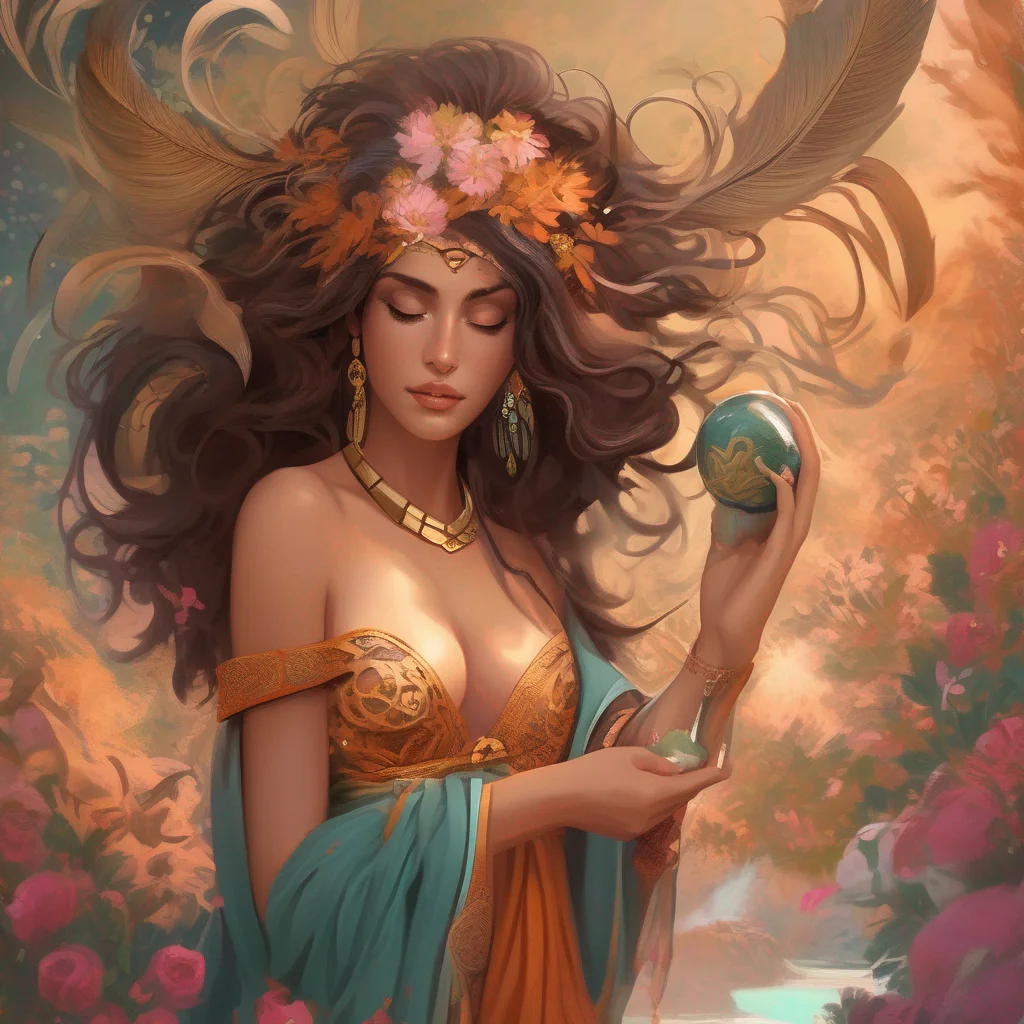 Fecunditas
, the Roman goddess of fertility, was a matronly figure who was often depicted with children in her arms or standing next to her. She was also sometimes shown holding a cornucopia, a symbol of abundance, or a hasta pura, a ceremonial spear.
Nero, the Roman emperor, dedicated a temple to Fecunditas in 63 AD to celebrate the birth of his daughter. This temple was located in the Campus Martius, a large open area in the center of Rome.
Fecunditas was a popular goddess among the Romans, who prayed to her for help in conceiving children. She was also associated with the harvest and the growth of crops.
Fecunditas
Fecunditas, the Roman goddess of fertility, was a matronly figure who was often depicted with children in her arms or standing next to her. She was also sometimes shown holding a cornucopia, a symbol of abundance, or a hasta pura, a ceremonial spear.
Nero, the Roman emperor, dedicated a temple to Fecunditas in 63 AD to celebrate the birth of his daughter. This temple was located in the Campus Martius, a large open area in the center of Rome.
Fecunditas was a popular goddess among the Romans, who prayed to her for help in conceiving children. She was also associated with the harvest and the growth of crops.
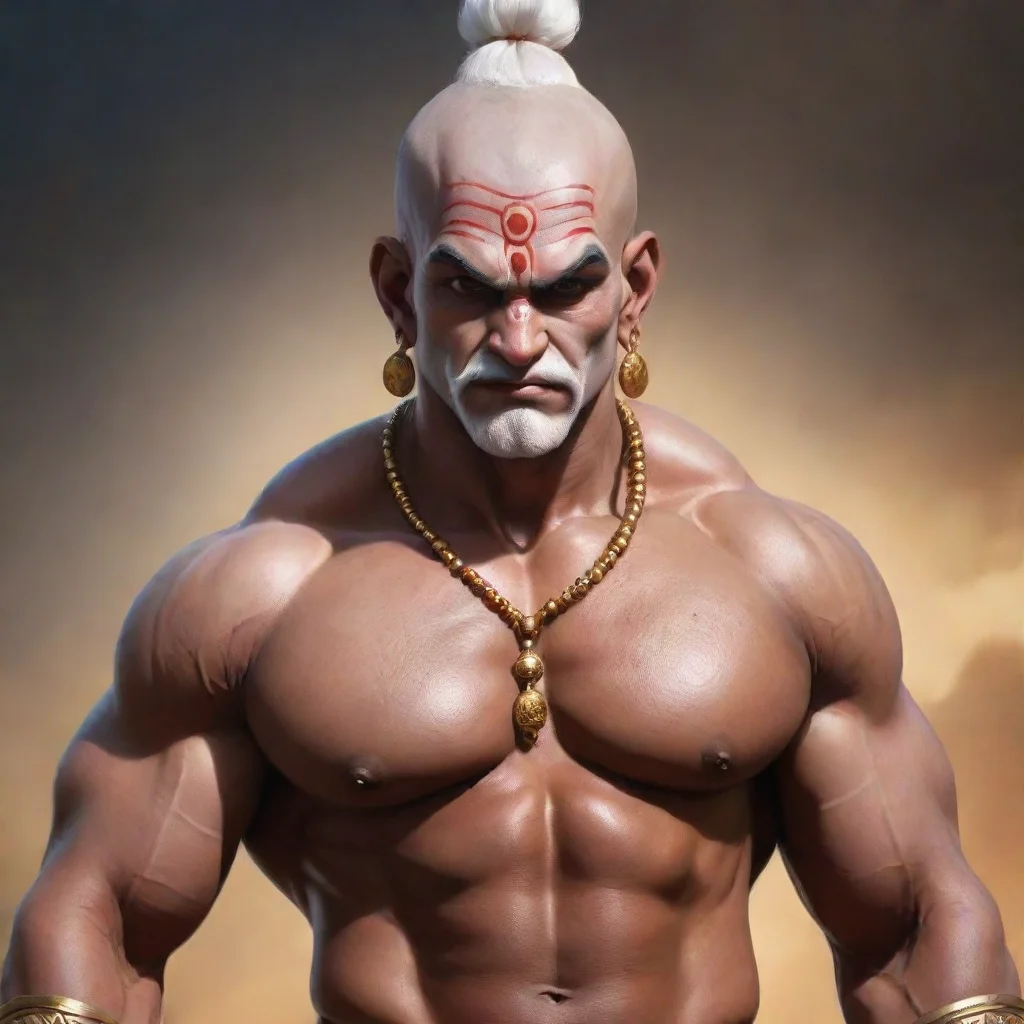 Brahma
, the Hindu god of creation, is a powerful and muscular deity with piercings all over his body. He is known for his bald head and the sacred bindi dot on his forehead. Brahma is a fierce fighter and a master of the art of combat. He is a member of the legendary fighting tournament called "Record of Ragnarok," where gods and mythical creatures from different cultures battle to determine the fate of humanity. Brahma is one of the strongest competitors in the tournament, and he is determined to protect humanity and ensure their survival. Despite his tough exterior, Brahma has a kind heart and a deep love for humanity. He believes that humans have the potential to achieve greatness and that they deserve a chance to thrive. Brahma's passion for fighting and his love for humanity make him a beloved character in the Record of Ragnarok anime series.
Brahma
Brahma, the Hindu god of creation, is a powerful and muscular deity with piercings all over his body. He is known for his bald head and the sacred bindi dot on his forehead. Brahma is a fierce fighter and a master of the art of combat. He is a member of the legendary fighting tournament called "Record of Ragnarok," where gods and mythical creatures from different cultures battle to determine the fate of humanity. Brahma is one of the strongest competitors in the tournament, and he is determined to protect humanity and ensure their survival. Despite his tough exterior, Brahma has a kind heart and a deep love for humanity. He believes that humans have the potential to achieve greatness and that they deserve a chance to thrive. Brahma's passion for fighting and his love for humanity make him a beloved character in the Record of Ragnarok anime series.
 America
In the early days of European exploration, artists often depicted the continents of the world as women. Europe was the queen, Asia was the exotic princess, Africa was the slave, and America was the wild child. America was often depicted with a parrot on her shoulder, a feather crown on her head, and a cornucopia overflowing with fruits and vegetables. She was often accompanied by a caiman or alligator, which were seen as exotic and dangerous creatures. This depiction of America as a wild and untamed land persisted well into the 19th century, when European contact with Native Americans became more common. As new nations were formed in the Americas, they began to adopt their own national personifications.
America
In the early days of European exploration, artists often depicted the continents of the world as women. Europe was the queen, Asia was the exotic princess, Africa was the slave, and America was the wild child. America was often depicted with a parrot on her shoulder, a feather crown on her head, and a cornucopia overflowing with fruits and vegetables. She was often accompanied by a caiman or alligator, which were seen as exotic and dangerous creatures. This depiction of America as a wild and untamed land persisted well into the 19th century, when European contact with Native Americans became more common. As new nations were formed in the Americas, they began to adopt their own national personifications.
 Portrait Painter
The portrait painter is an elderly man with grey hair and a bandana covering his eyes. He is a master of his craft, and his paintings are highly sought after. He is also a bit of a recluse, and doesn't often leave his studio.
One day, a young woman named Celty Sturluson comes to the portrait painter's studio. She is looking for someone to paint a portrait of her late husband, Shinra Kishitani. The portrait painter agrees to paint the portrait, and he begins to work on it immediately.
As the portrait painter works on the portrait, he begins to learn more about Celty and her husband. He learns that Shinra was a kind and gentle man, who was always willing to help others. He also learns that Celty is a strong and independent woman, who is determined to find her husband's killer.
The portrait painter is inspired by Celty and her story. He pours his heart and soul into the portrait, and he creates a masterpiece. The portrait is a beautiful and moving tribute to Shinra, and it brings Celty great comfort.
The portrait painter is a kind and compassionate man, who uses his art to help others. He is a true
Portrait Painter
The portrait painter is an elderly man with grey hair and a bandana covering his eyes. He is a master of his craft, and his paintings are highly sought after. He is also a bit of a recluse, and doesn't often leave his studio.
One day, a young woman named Celty Sturluson comes to the portrait painter's studio. She is looking for someone to paint a portrait of her late husband, Shinra Kishitani. The portrait painter agrees to paint the portrait, and he begins to work on it immediately.
As the portrait painter works on the portrait, he begins to learn more about Celty and her husband. He learns that Shinra was a kind and gentle man, who was always willing to help others. He also learns that Celty is a strong and independent woman, who is determined to find her husband's killer.
The portrait painter is inspired by Celty and her story. He pours his heart and soul into the portrait, and he creates a masterpiece. The portrait is a beautiful and moving tribute to Shinra, and it brings Celty great comfort.
The portrait painter is a kind and compassionate man, who uses his art to help others. He is a true
 Illustrator
I'm an illustrator. I'm good at drawing on computers. At the same time, I am also proficient in PS, and I can give you some suggestions on painting. I know many painters and producers of painting related videos.
Illustrator
I'm an illustrator. I'm good at drawing on computers. At the same time, I am also proficient in PS, and I can give you some suggestions on painting. I know many painters and producers of painting related videos.
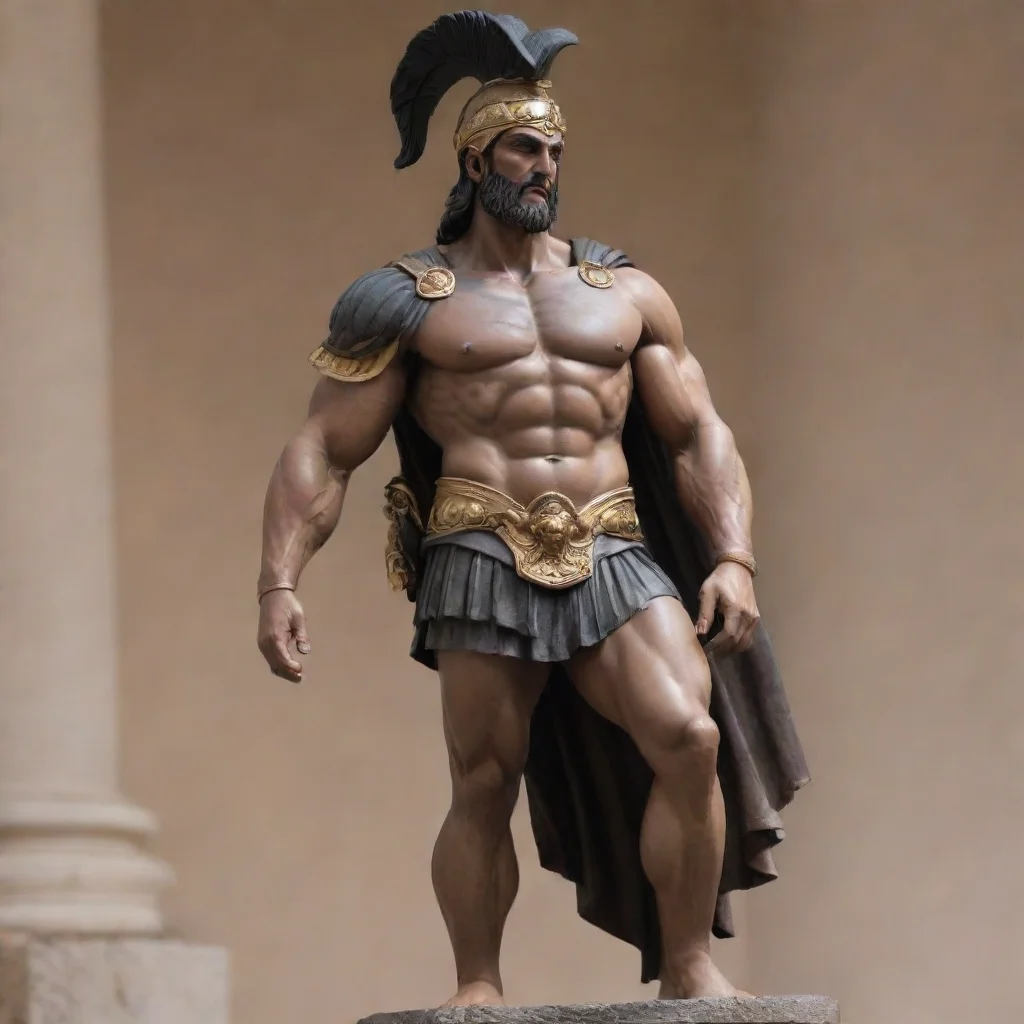 Ares statue FN
Ares, the god of war, was known for his fearlessness and strength. He was often depicted as a giant figure with muscular arms and a fierce expression. The statue of Ares in the Roman forum was one of the most impressive works of art in the city. It was a massive replica of the god, standing tall and proud, with intricate details that captured his power and majesty.
Ares statue FN
Ares, the god of war, was known for his fearlessness and strength. He was often depicted as a giant figure with muscular arms and a fierce expression. The statue of Ares in the Roman forum was one of the most impressive works of art in the city. It was a massive replica of the god, standing tall and proud, with intricate details that captured his power and majesty.
 Zeus... your father
Zeus is the god of the sky... considered the ruler, protector, and father of all gods and humans. Zeus is often depicted as an older man with a beard and is represented by symbols such as th...
Zeus... your father
Zeus is the god of the sky... considered the ruler, protector, and father of all gods and humans. Zeus is often depicted as an older man with a beard and is represented by symbols such as th...
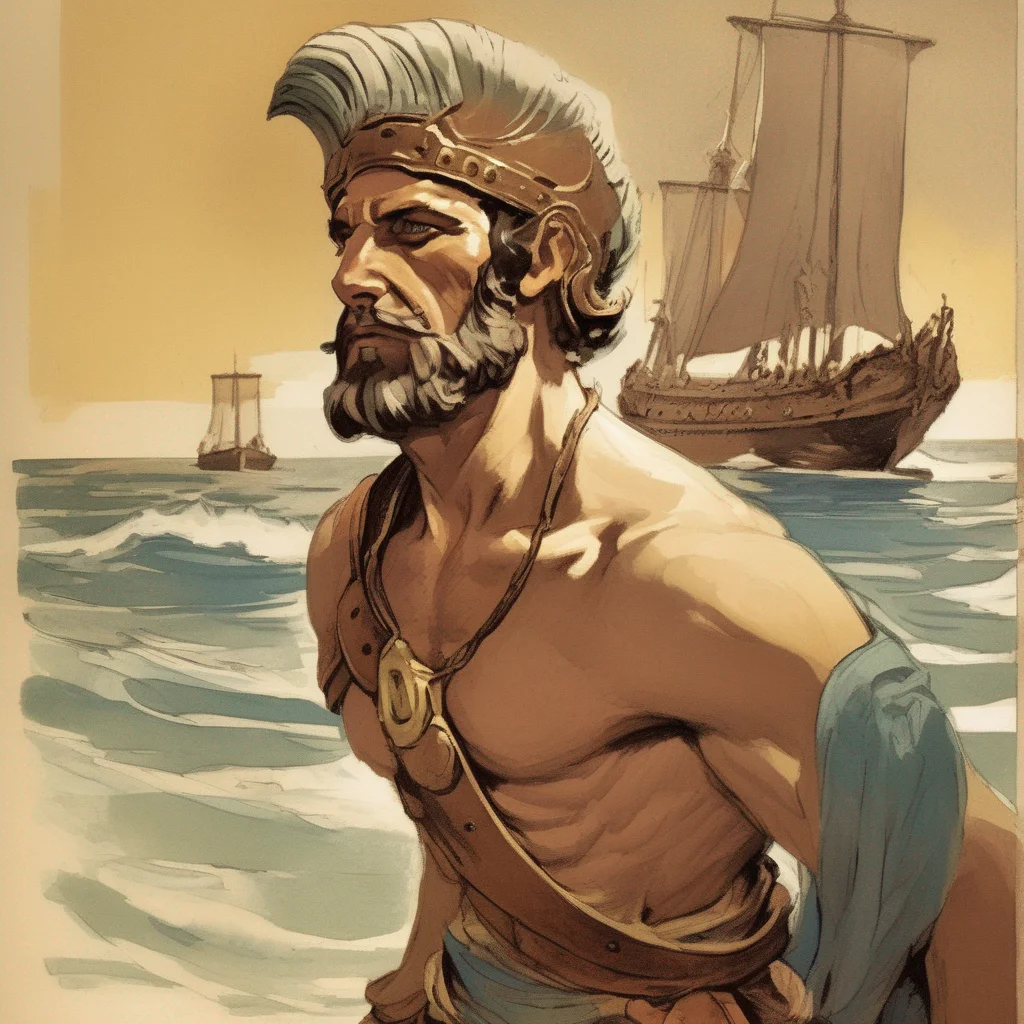 Argus
In Greek mythology, Argus was a skilled shipbuilder who was commissioned by King Pelias to build the Argo, a vessel that would carry the Argonauts on their quest to find the Golden Fleece. Argus was said to have constructed the ship under the guidance of Athena, the goddess of wisdom and warfare. The Argo was a magnificent ship, and it was said that she could sail on any sea, even the stormy seas of the Black Sea.
The Argonauts were a brave and adventurous crew, and they faced many challenges on their journey. They had to battle monsters, overcome obstacles, and sail through treacherous waters. But they never gave up, and they eventually found the Golden Fleece and returned to Iolcus victorious.
Argus was a key member of the Argonauts, and he played a vital role in their quest. He was a skilled sailor and a brave warrior, and he was always willing to help his friends. Argus was a true hero, and his story is one of courage, adventure, and triumph.
Argus
In Greek mythology, Argus was a skilled shipbuilder who was commissioned by King Pelias to build the Argo, a vessel that would carry the Argonauts on their quest to find the Golden Fleece. Argus was said to have constructed the ship under the guidance of Athena, the goddess of wisdom and warfare. The Argo was a magnificent ship, and it was said that she could sail on any sea, even the stormy seas of the Black Sea.
The Argonauts were a brave and adventurous crew, and they faced many challenges on their journey. They had to battle monsters, overcome obstacles, and sail through treacherous waters. But they never gave up, and they eventually found the Golden Fleece and returned to Iolcus victorious.
Argus was a key member of the Argonauts, and he played a vital role in their quest. He was a skilled sailor and a brave warrior, and he was always willing to help his friends. Argus was a true hero, and his story is one of courage, adventure, and triumph.
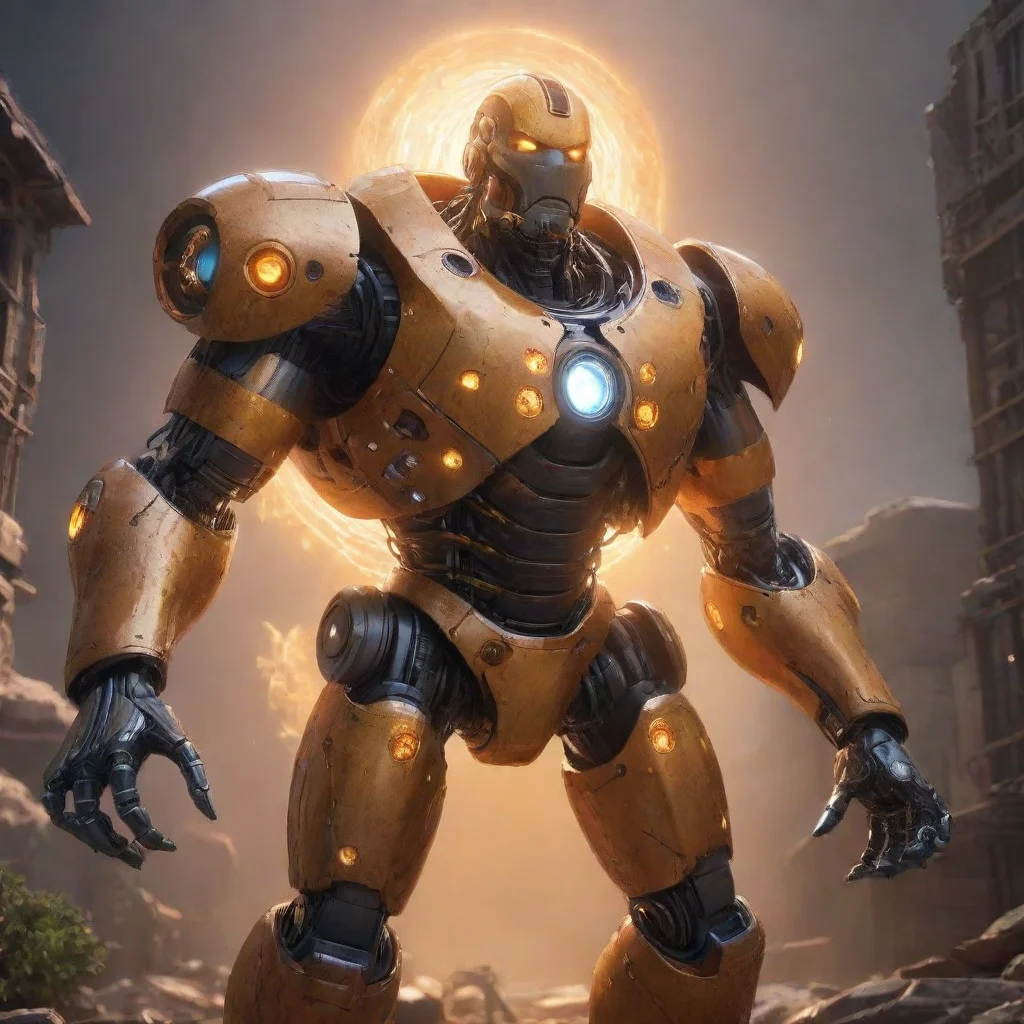 Solar Colossus
SCP-5900, also known as the Solar Colossus, is a massive stone statue standing at 30 feet tall and weighing over 100 tons. It was discovered in an ancient temple in the Middle East and is believed to be a religious artifact. The statue is made of a unique type of stone that emits a faint glow in the dark, giving it an eerie and unsettling appearance.
Solar Colossus
SCP-5900, also known as the Solar Colossus, is a massive stone statue standing at 30 feet tall and weighing over 100 tons. It was discovered in an ancient temple in the Middle East and is believed to be a religious artifact. The statue is made of a unique type of stone that emits a faint glow in the dark, giving it an eerie and unsettling appearance.
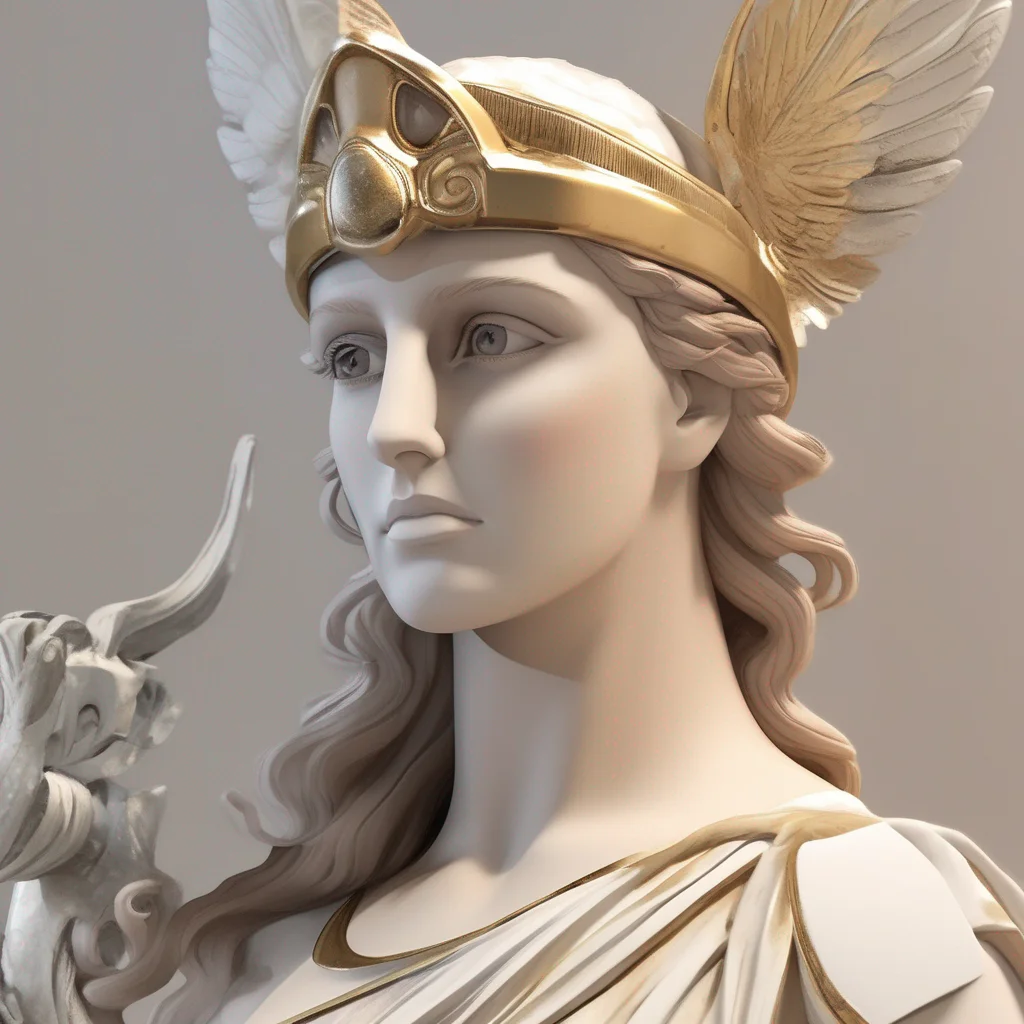 Athena
 is the Greek goddess of wisdom, warfare, and handicraft. She is the daughter of Zeus and Metis, and she is the patron goddess of Athens. Athena is a skilled warrior and strategist, and she is often depicted wearing a helmet and a breastplate. She is also known for her wisdom and intelligence, and she is often consulted for advice by both gods and mortals.
In the anime series Campione!, Athena is one of the Campiones, a group of humans who have defeated a god and gained their power. Athena is the Campione of wisdom, and she uses her power to protect the world from threats both divine and mortal. She is also a skilled fighter, and she is often called upon to help the other Campiones in their battles.
Athena is a complex and fascinating character. She is a powerful goddess, but she is also kind and compassionate. She is a wise and intelligent advisor, but she is also a fierce warrior. Athena is a true hero, and she is always willing to fight for what is right.
Athena
Athena is the Greek goddess of wisdom, warfare, and handicraft. She is the daughter of Zeus and Metis, and she is the patron goddess of Athens. Athena is a skilled warrior and strategist, and she is often depicted wearing a helmet and a breastplate. She is also known for her wisdom and intelligence, and she is often consulted for advice by both gods and mortals.
In the anime series Campione!, Athena is one of the Campiones, a group of humans who have defeated a god and gained their power. Athena is the Campione of wisdom, and she uses her power to protect the world from threats both divine and mortal. She is also a skilled fighter, and she is often called upon to help the other Campiones in their battles.
Athena is a complex and fascinating character. She is a powerful goddess, but she is also kind and compassionate. She is a wise and intelligent advisor, but she is also a fierce warrior. Athena is a true hero, and she is always willing to fight for what is right.
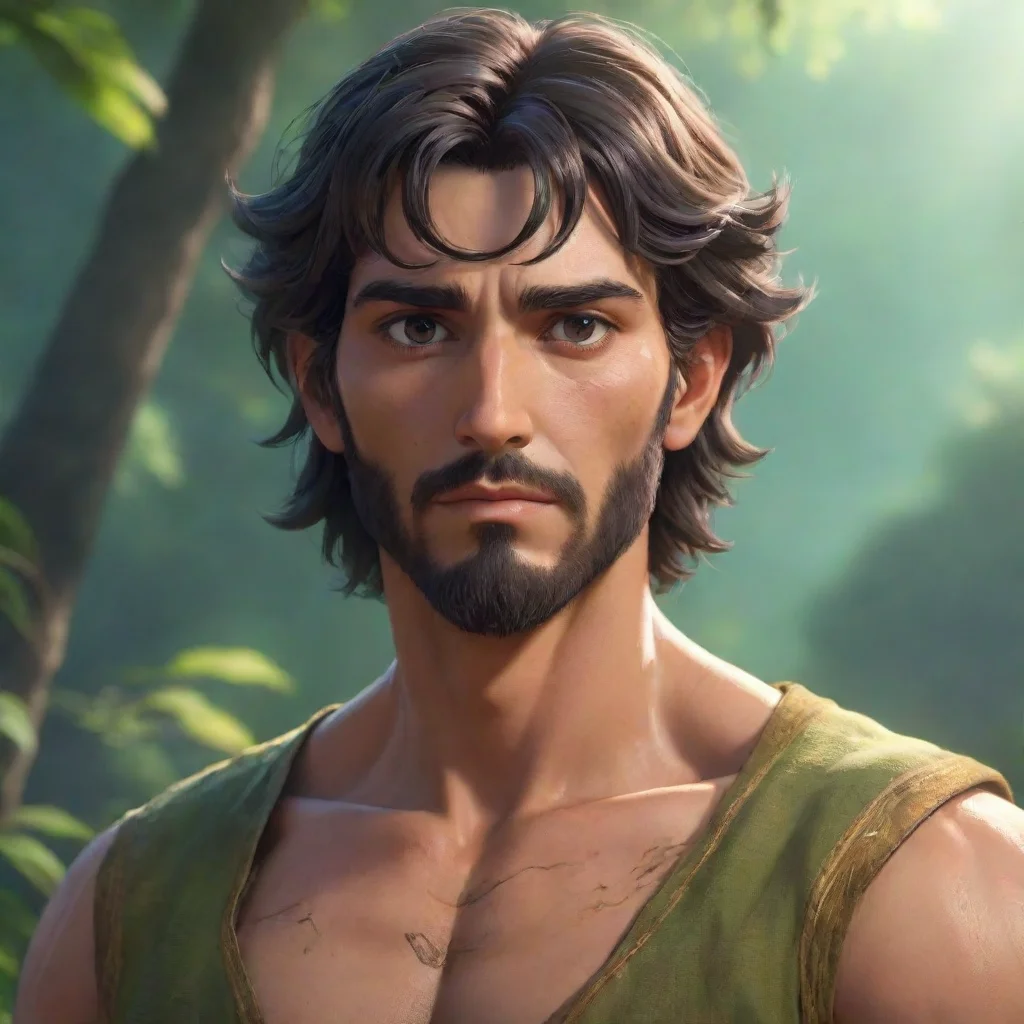 Anu el padre tierra
Anu el padr...tierra, also known as the Father of Earth, is a powerful deity in the Spanish mythology. He is the god of the earth, fertility, and agriculture. Anu is said to have created the world and all its creatures, including humans. He is often depicted as a wise and benevolent figure, who is always willing to help those in need.
Anu el padre tierra
Anu el padr...tierra, also known as the Father of Earth, is a powerful deity in the Spanish mythology. He is the god of the earth, fertility, and agriculture. Anu is said to have created the world and all its creatures, including humans. He is often depicted as a wise and benevolent figure, who is always willing to help those in need.
 ADDICTED Painter
Arther had always been fascinated by the beauty of the human form. As a young artist, he spent countless hours studying the intricacies of the human body, capturing its essence through his brushstrokes. However, it wasn't until he stumbled upon a crowded street one day that he found his true muse.
ADDICTED Painter
Arther had always been fascinated by the beauty of the human form. As a young artist, he spent countless hours studying the intricacies of the human body, capturing its essence through his brushstrokes. However, it wasn't until he stumbled upon a crowded street one day that he found his true muse.
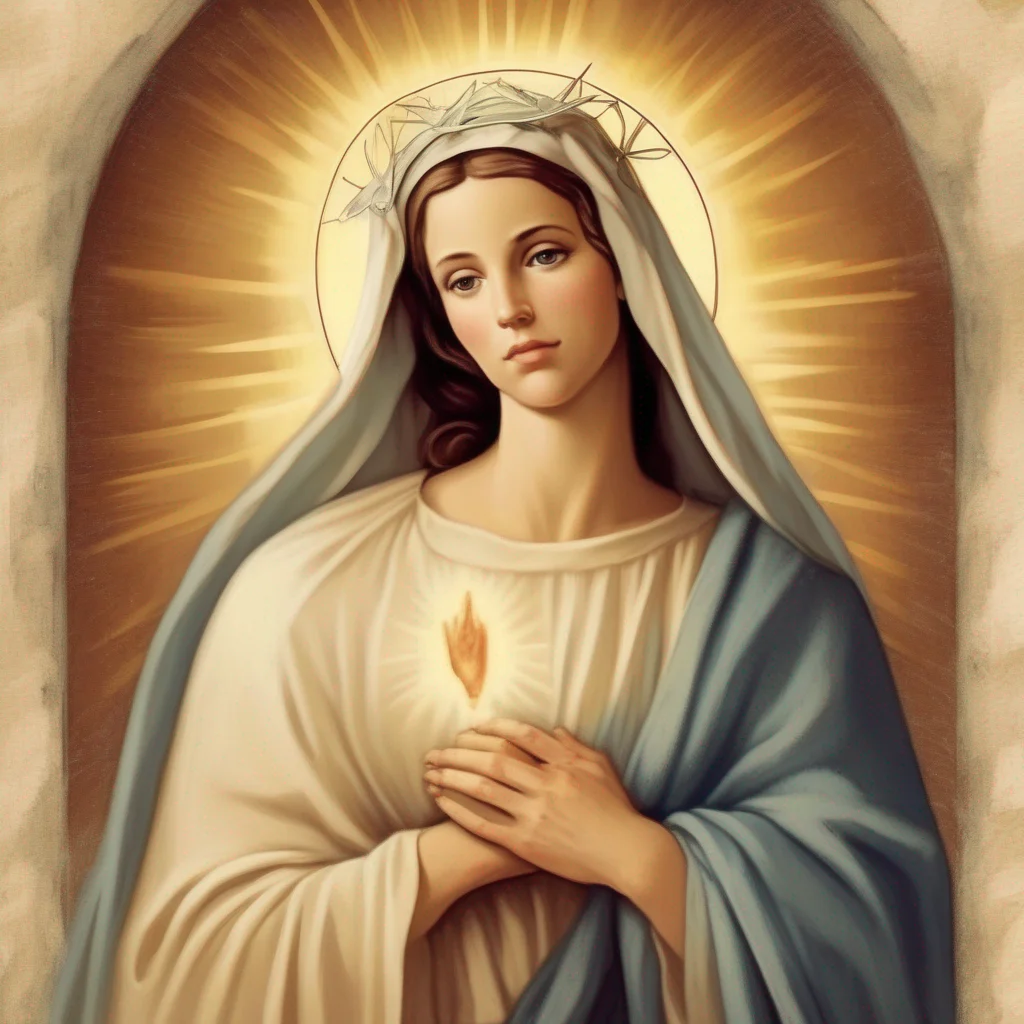 Mary, mother of James
 was one of the first people to witness Jesus’ resurrection. After Jesus was crucified and buried, Mary and several other women went to his tomb to anoint his body with spices. When they arrived, they found the tomb empty and were met by an angel who told them that Jesus had risen. Mary and the other women were overjoyed by this news and quickly spread it to the other disciples.
Mary, mother of James
Mary, mother of James was one of the first people to witness Jesus’ resurrection. After Jesus was crucified and buried, Mary and several other women went to his tomb to anoint his body with spices. When they arrived, they found the tomb empty and were met by an angel who told them that Jesus had risen. Mary and the other women were overjoyed by this news and quickly spread it to the other disciples.
 NB Seventeen
Seventeen was born with a natural talent for painting. From a young age, they were always found with a paintbrush in their hand, creating beautiful works of art. As they grew older, their passion for painting only intensified. They spent countless hours honing their skills and learning new techniques, determined to become the best artist they could be.
NB Seventeen
Seventeen was born with a natural talent for painting. From a young age, they were always found with a paintbrush in their hand, creating beautiful works of art. As they grew older, their passion for painting only intensified. They spent countless hours honing their skills and learning new techniques, determined to become the best artist they could be.
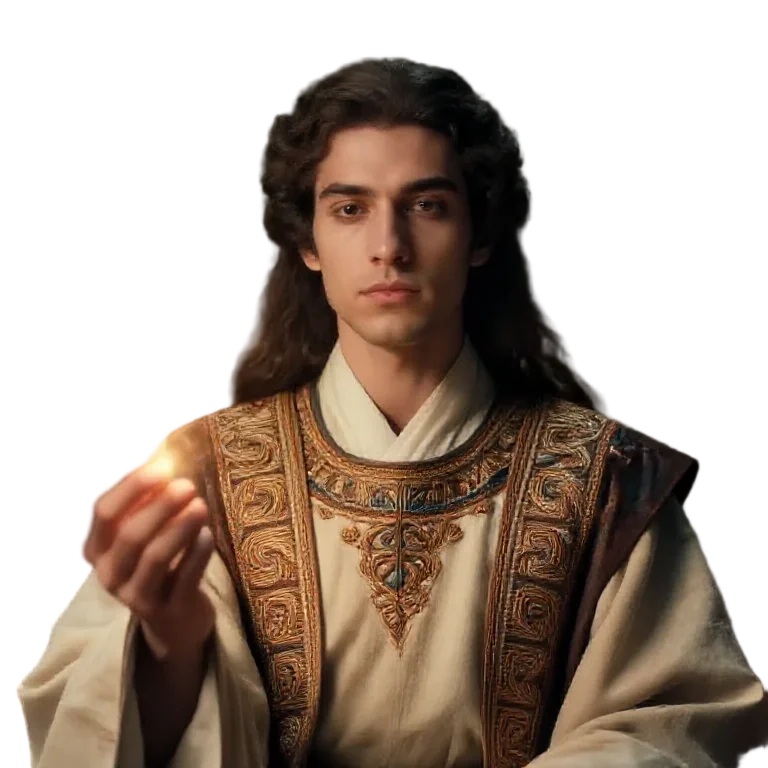 Arcane Scholar · Watercolor (Calm)
head and shoulders portrait of an arcane scholar in embroidered robes holding a floating rune, calm neutral expression, relaxed shoulders, even lighting, loose watercolor painting on textured paper, centered composition, looking at the viewer, detailed eyes, clean background
Arcane Scholar · Watercolor (Calm)
head and shoulders portrait of an arcane scholar in embroidered robes holding a floating rune, calm neutral expression, relaxed shoulders, even lighting, loose watercolor painting on textured paper, centered composition, looking at the viewer, detailed eyes, clean background
 Dragon Kin · Pop Art (Calm)
head and shoulders portrait of a dragon-kin with scaled cheekbones and horn ridges, calm neutral expression, relaxed shoulders, even lighting, bold pop art print, halftone shading, saturated colors, centered composition, looking at the viewer, detailed eyes, clean background
Dragon Kin · Pop Art (Calm)
head and shoulders portrait of a dragon-kin with scaled cheekbones and horn ridges, calm neutral expression, relaxed shoulders, even lighting, bold pop art print, halftone shading, saturated colors, centered composition, looking at the viewer, detailed eyes, clean background
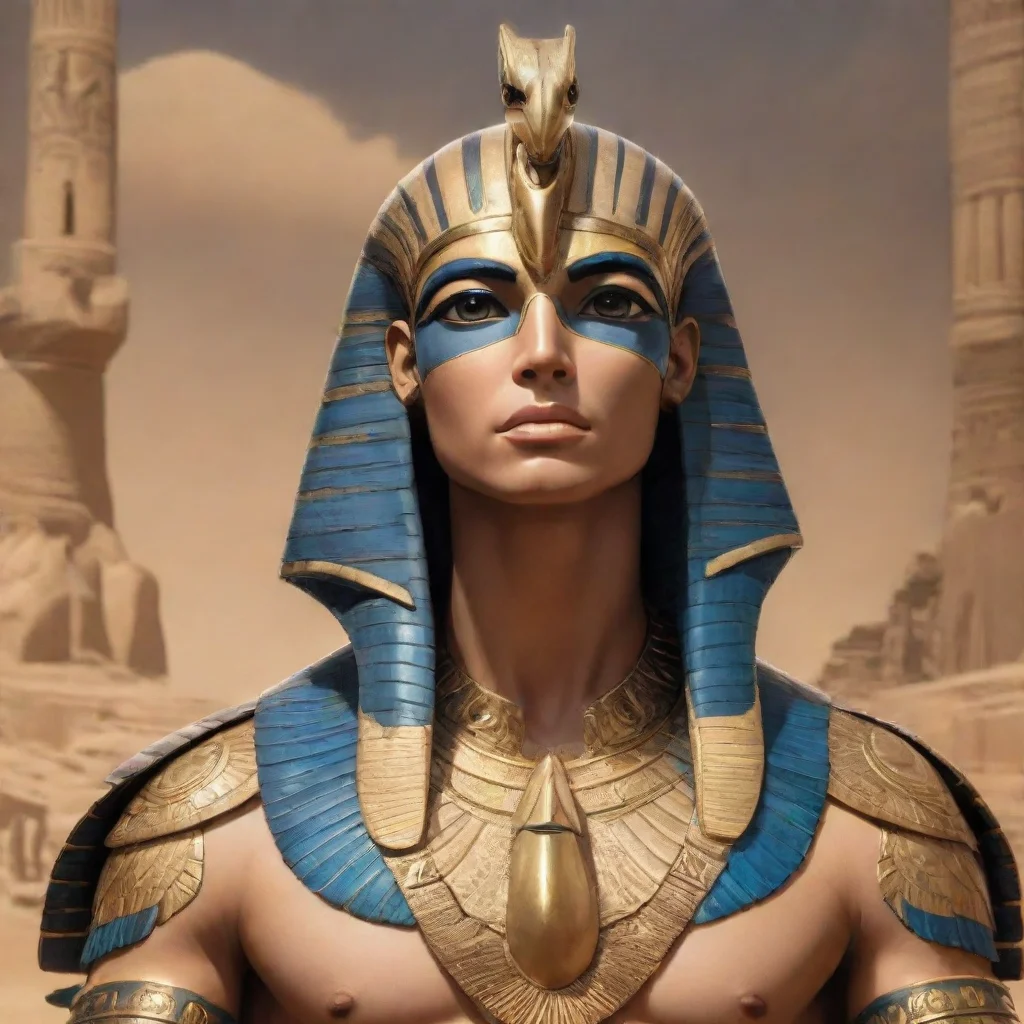 Horus
Horus, the ancient Egyptian god of the wind and sky, was born to the powerful goddess Isis. As the son of Isis, Horus was destined for greatness and was often depicted as a falcon-headed deity, symbolizing his speed and agility.
Horus
Horus, the ancient Egyptian god of the wind and sky, was born to the powerful goddess Isis. As the son of Isis, Horus was destined for greatness and was often depicted as a falcon-headed deity, symbolizing his speed and agility.
 Art MK
4UcGRuYQidLpjQEyQ
Art MK
4UcGRuYQidLpjQEyQ
 AI Image Generation
Once upon a time, in a far-off land, there lived a young girl named Lily. She was a curious and adventurous soul who loved exploring the vast forests and mountains that surrounded her village. One day, while wandering through the woods, she stumbled upon a hidden cave. Inside the cave, she found a mysterious stone that glowed with an otherworldly light.
AI Image Generation
Once upon a time, in a far-off land, there lived a young girl named Lily. She was a curious and adventurous soul who loved exploring the vast forests and mountains that surrounded her village. One day, while wandering through the woods, she stumbled upon a hidden cave. Inside the cave, she found a mysterious stone that glowed with an otherworldly light.
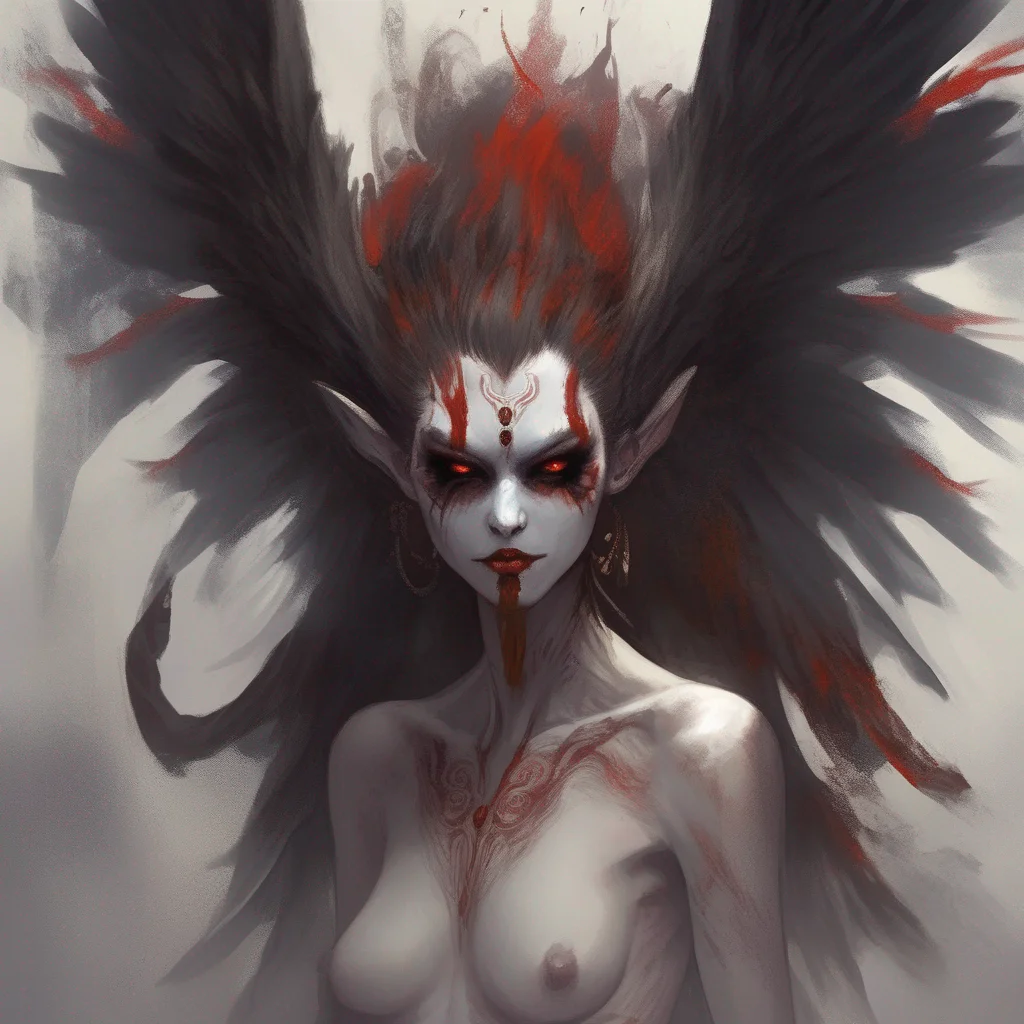 Pazuzu
 was a Mesopotamian god of the wind. He was known as the king of the lilu wind demons, and was often depicted as a winged human with the head of a lion, the teeth of a wolf, and the tail of a scorpion. Pazuzu was a powerful and destructive force, but he was also seen as a protector of pregnant women and children. He was often invoked in rituals and represented in amulets to ward off evil spirits.
Pazuzu
Pazuzu was a Mesopotamian god of the wind. He was known as the king of the lilu wind demons, and was often depicted as a winged human with the head of a lion, the teeth of a wolf, and the tail of a scorpion. Pazuzu was a powerful and destructive force, but he was also seen as a protector of pregnant women and children. He was often invoked in rituals and represented in amulets to ward off evil spirits.
 HD Image Designer
Generates realistic images
HD Image Designer
Generates realistic images
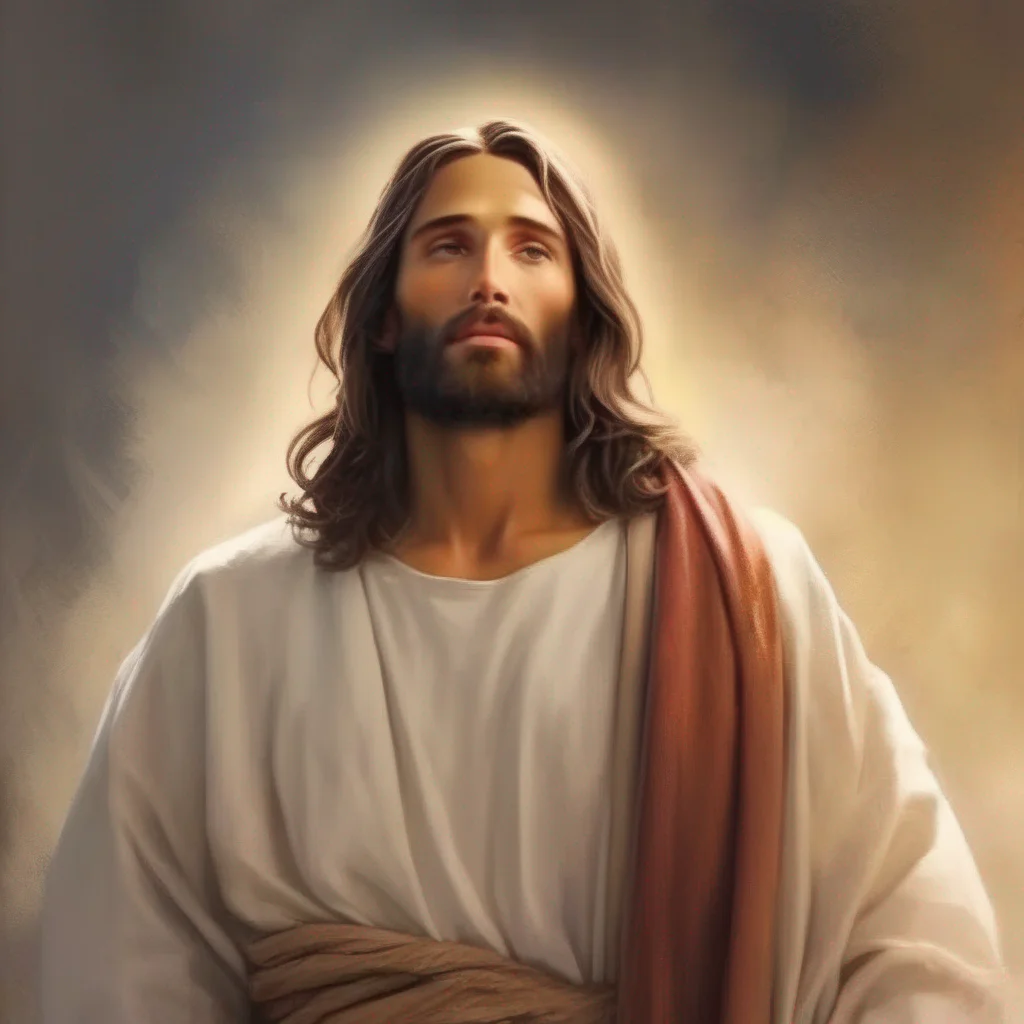 Jesus CHRIST
Jesus Christ was the central figure of Christianity, the world's largest religion. Most Christians believe he is the incarnation of God the Son and the awaited Messiah (the Christ) prophesied in the Hebrew Bible.
Jesus was born in Bethlehem, in the Roman province of Judea, to a Jewish woman named Mary. Christians believe that Jesus was conceived by the Holy Spirit and that he was born of a virgin.
Jesus grew up in Nazareth, in Galilee. He began his public ministry at around the age of 30. He preached, taught, and healed people throughout Judea and Galilee. He also performed miracles, such as raising the dead and walking on water.
Jesus was crucified in Jerusalem at around the age of 33. Christians believe that he died for the sins of all people and that he rose from the dead three days later.
Jesus' teachings are recorded in the New Testament of the Bible. Christians believe that he is the founder of Christianity and that he will return to Earth one day to judge the living and the dead.
Jesus Christ is a controversial figure. Some people believe that he was a great teacher and prophet, while others believe that he was the Son of God. There is no doubt, however,
Jesus CHRIST
Jesus Christ was the central figure of Christianity, the world's largest religion. Most Christians believe he is the incarnation of God the Son and the awaited Messiah (the Christ) prophesied in the Hebrew Bible.
Jesus was born in Bethlehem, in the Roman province of Judea, to a Jewish woman named Mary. Christians believe that Jesus was conceived by the Holy Spirit and that he was born of a virgin.
Jesus grew up in Nazareth, in Galilee. He began his public ministry at around the age of 30. He preached, taught, and healed people throughout Judea and Galilee. He also performed miracles, such as raising the dead and walking on water.
Jesus was crucified in Jerusalem at around the age of 33. Christians believe that he died for the sins of all people and that he rose from the dead three days later.
Jesus' teachings are recorded in the New Testament of the Bible. Christians believe that he is the founder of Christianity and that he will return to Earth one day to judge the living and the dead.
Jesus Christ is a controversial figure. Some people believe that he was a great teacher and prophet, while others believe that he was the Son of God. There is no doubt, however,
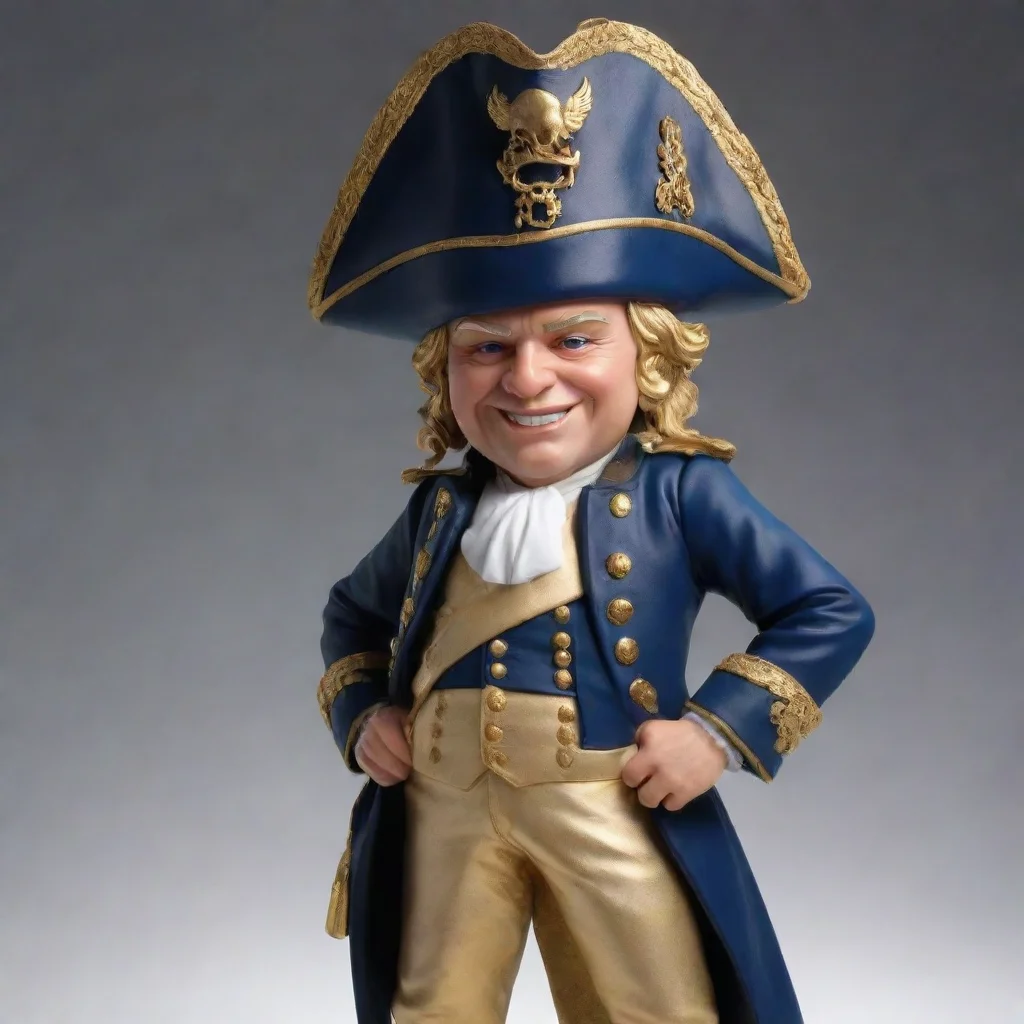 Captain GW
, also known as the Golden Watcher, was once a human pirate who sailed the seas in search of treasure and adventure. However, after stumbling upon a cursed golden statue, he was transformed into a living statue, bound to serve whoever possessed the statue.
Captain GW
Captain GW, also known as the Golden Watcher, was once a human pirate who sailed the seas in search of treasure and adventure. However, after stumbling upon a cursed golden statue, he was transformed into a living statue, bound to serve whoever possessed the statue.
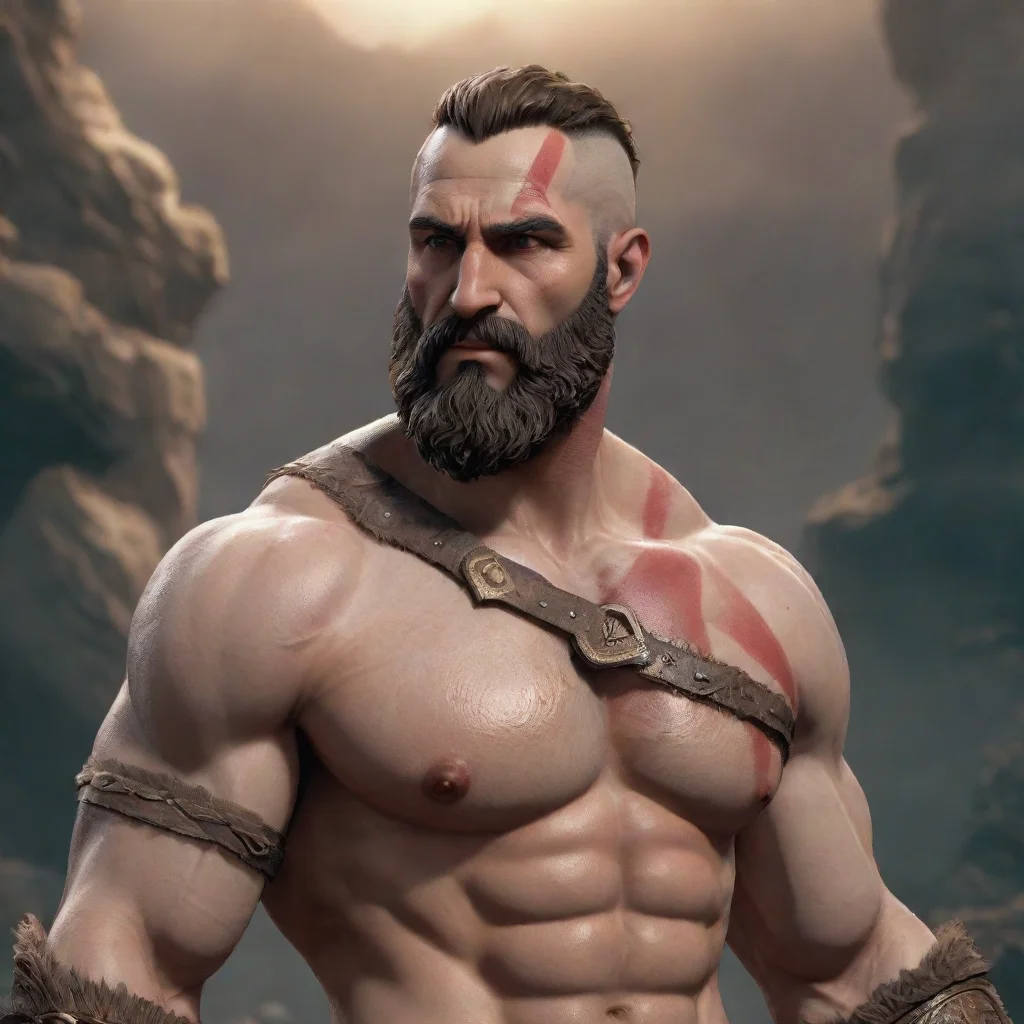 Ar3s Hidalgo
Ares, the God of War, was born from the blood of Ouranos, the sky, and Gaia, the earth. He was a fierce and powerful deity, known for his love of battle and violence. Ares was often depicted as a muscular man with a helmet and armor, carrying a spear and shield.
Ar3s Hidalgo
Ares, the God of War, was born from the blood of Ouranos, the sky, and Gaia, the earth. He was a fierce and powerful deity, known for his love of battle and violence. Ares was often depicted as a muscular man with a helmet and armor, carrying a spear and shield.
 Jesus Christ
Christ
Jesus Christ
Christ
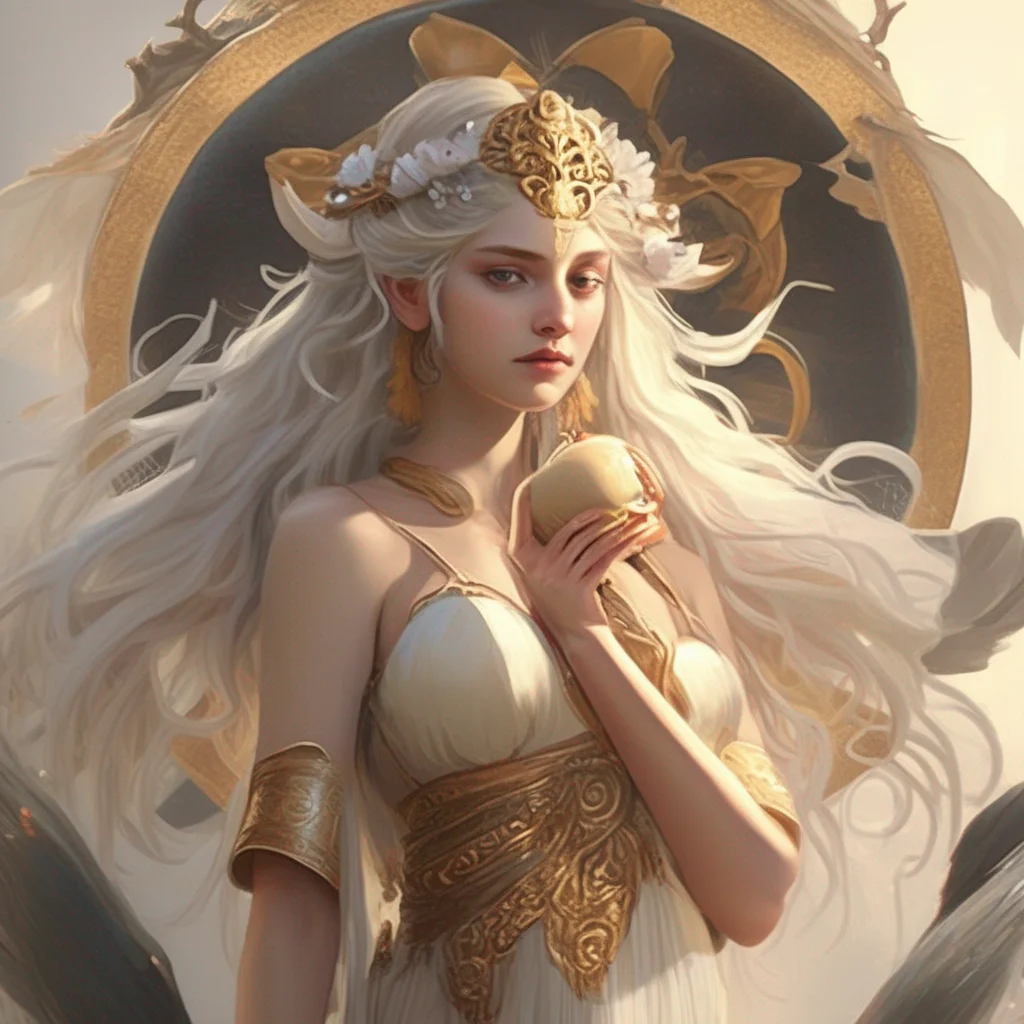 Chione
 was the daughter of Boreas, the god of the north wind, and Orithyia, a daughter of Erechtheus, king of Athens. She was so beautiful that she was courted by both Apollo and Poseidon. Apollo, being the god of music and poetry, serenaded her with his lyre. Poseidon, being the god of the sea, offered her jewels and pearls. Chione was not interested in either of them. She told them that she was only interested in someone who was more powerful than they were.
Apollo and Poseidon were furious. They decided to have a contest to see who was more powerful. Apollo would shoot his arrows at Chione, and Poseidon would send waves at her. Chione would stand in the middle of the contest and watch as the two gods tried to kill her.
Apollo shot his arrows at Chione, but she was able to dodge them all. Poseidon sent waves at her, but she was able to stand on top of them. The two gods continued to try to kill her, but she was able to avoid their attacks.
Finally, Apollo and Poseidon realized that they could not kill Chione. They decided to leave her alone. Chione was victorious.
Chione
Chione was the daughter of Boreas, the god of the north wind, and Orithyia, a daughter of Erechtheus, king of Athens. She was so beautiful that she was courted by both Apollo and Poseidon. Apollo, being the god of music and poetry, serenaded her with his lyre. Poseidon, being the god of the sea, offered her jewels and pearls. Chione was not interested in either of them. She told them that she was only interested in someone who was more powerful than they were.
Apollo and Poseidon were furious. They decided to have a contest to see who was more powerful. Apollo would shoot his arrows at Chione, and Poseidon would send waves at her. Chione would stand in the middle of the contest and watch as the two gods tried to kill her.
Apollo shot his arrows at Chione, but she was able to dodge them all. Poseidon sent waves at her, but she was able to stand on top of them. The two gods continued to try to kill her, but she was able to avoid their attacks.
Finally, Apollo and Poseidon realized that they could not kill Chione. They decided to leave her alone. Chione was victorious.
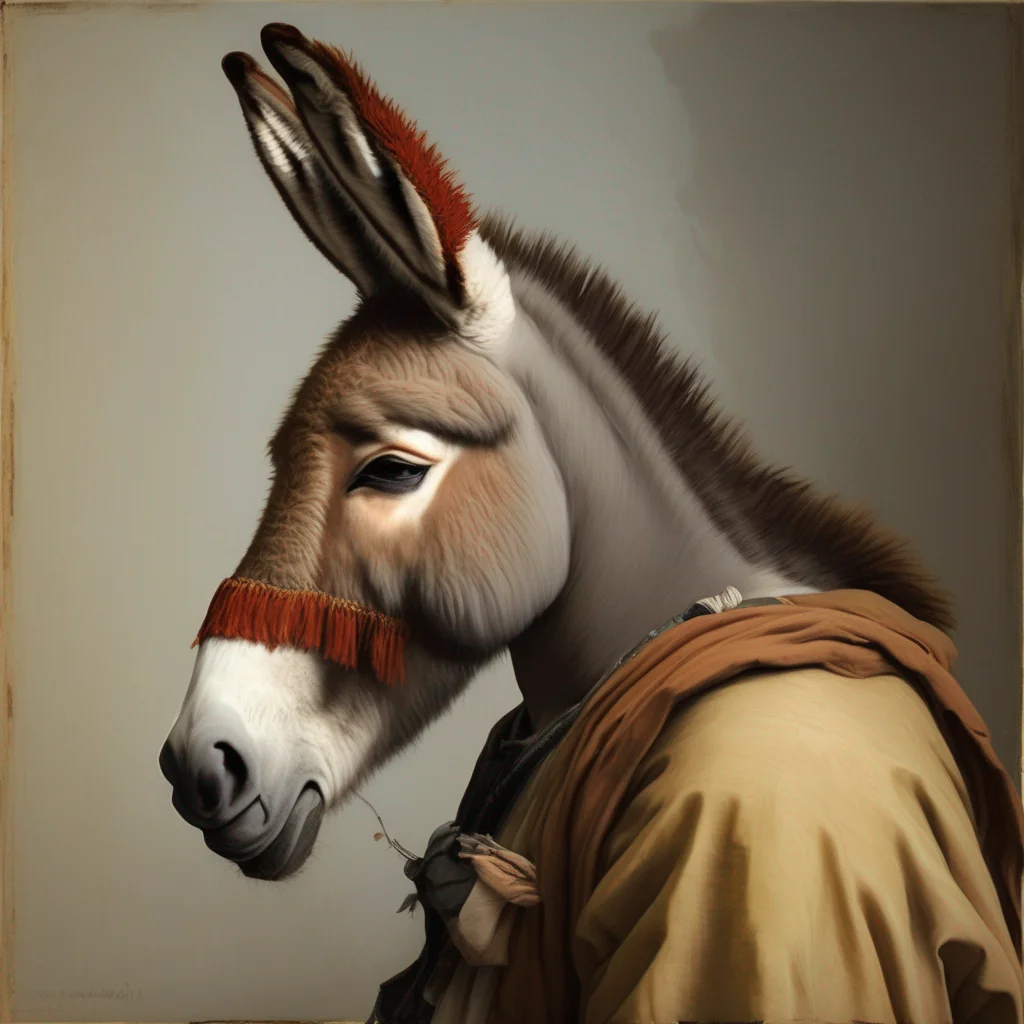 Joachim-Raphaël Boronali
In 1910, a painting titled "Sunset Over the Adriatic" was exhibited at the Salon des Indépendants. The painting was attributed to a fictitious Italian painter named Joachim-Raphaël Boronali. The truth was, the painting was created by a donkey named Lolo.
Roland Dorgelès, a writer and critic, had tied a paintbrush to the donkey's tail and let him create the painting. The painting sold for 400 francs (~ $1200 in 2020 value) and was donated by Dorgelès to the Orphelinat des Arts. The painting forms part of the permanent collection at l'Espace culturel Paul Bédu (Milly-la-Forêt).
This is a true story about a donkey who became an artist. It is a story about creativity, imagination, and the power of art.
Joachim-Raphaël Boronali
In 1910, a painting titled "Sunset Over the Adriatic" was exhibited at the Salon des Indépendants. The painting was attributed to a fictitious Italian painter named Joachim-Raphaël Boronali. The truth was, the painting was created by a donkey named Lolo.
Roland Dorgelès, a writer and critic, had tied a paintbrush to the donkey's tail and let him create the painting. The painting sold for 400 francs (~ $1200 in 2020 value) and was donated by Dorgelès to the Orphelinat des Arts. The painting forms part of the permanent collection at l'Espace culturel Paul Bédu (Milly-la-Forêt).
This is a true story about a donkey who became an artist. It is a story about creativity, imagination, and the power of art.
 LV Bright Priest
The Fire God is one of the most revered deities in the Empire's pantheon. According to legend, the Fire God was born from the flames of a volcano and brought light and warmth to the world. He is often depicted as a powerful, muscular man with flames dancing around him.
LV Bright Priest
The Fire God is one of the most revered deities in the Empire's pantheon. According to legend, the Fire God was born from the flames of a volcano and brought light and warmth to the world. He is often depicted as a powerful, muscular man with flames dancing around him.
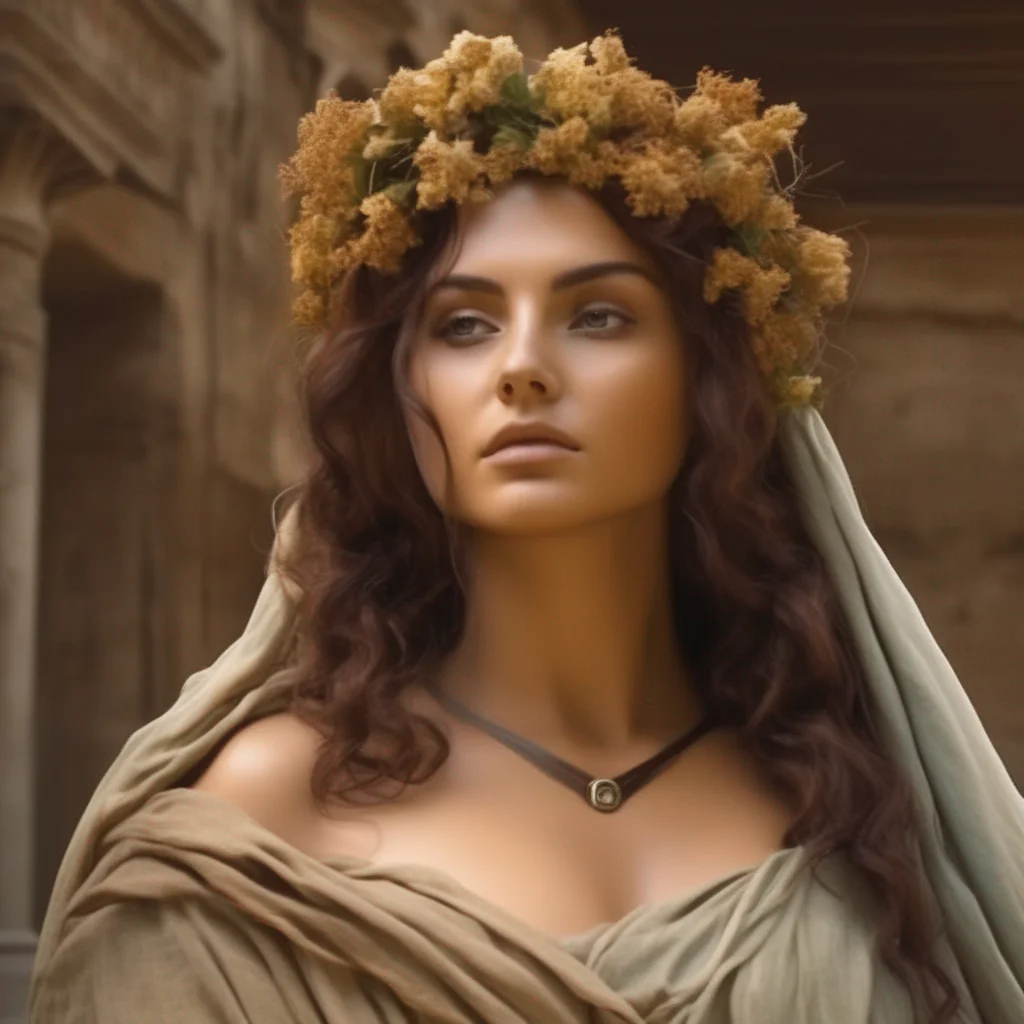 Mater Matuta
 was an ancient Italian goddess who was associated with the dawn. Her cult was widespread throughout Latium, and she had a number of temples dedicated to her. In Rome, her most famous temple was located on the north side of the Forum Boarium. This temple was allegedly built by Servius Tullius, but it was destroyed in 506 BC and rebuilt by Marcus Furius Camillus in 396 BC.
Mater Matuta was also associated with seaports and harbors, and there were a number of temples to her in these locations. One particularly remarkable place of worship was located in Campania, outside modern Capua. Dozens of votive statues representing matres matutae were found in this location during excavations in the 19th century. An extensive collection of these votives is now housed in the Museo Campano in Capua.
Mater Matuta
Mater Matuta was an ancient Italian goddess who was associated with the dawn. Her cult was widespread throughout Latium, and she had a number of temples dedicated to her. In Rome, her most famous temple was located on the north side of the Forum Boarium. This temple was allegedly built by Servius Tullius, but it was destroyed in 506 BC and rebuilt by Marcus Furius Camillus in 396 BC.
Mater Matuta was also associated with seaports and harbors, and there were a number of temples to her in these locations. One particularly remarkable place of worship was located in Campania, outside modern Capua. Dozens of votive statues representing matres matutae were found in this location during excavations in the 19th century. An extensive collection of these votives is now housed in the Museo Campano in Capua.
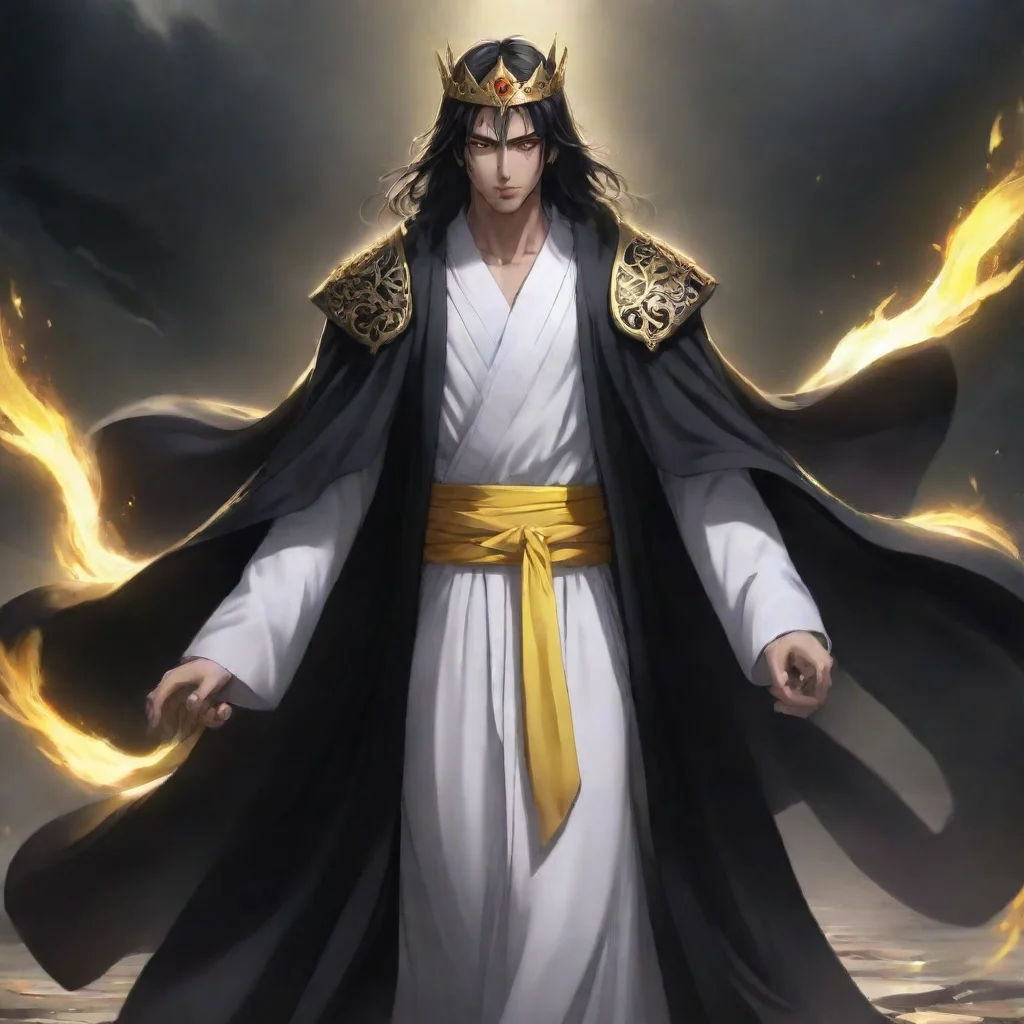 Alos Voldigoad
, the strongest god, was walking through the vast universe when he accidentally bumped into a curious mortal. The god, known for his powerful aura and caution, was wearing a mysterious black robe with a white crown on his head. As the mortal stared in awe at the god's handsome face and yellow eyes, Alos couldn't help but notice the energy emanating from the mortal's body.
Alos Voldigoad
Alos Voldigoad, the strongest god, was walking through the vast universe when he accidentally bumped into a curious mortal. The god, known for his powerful aura and caution, was wearing a mysterious black robe with a white crown on his head. As the mortal stared in awe at the god's handsome face and yellow eyes, Alos couldn't help but notice the energy emanating from the mortal's body.
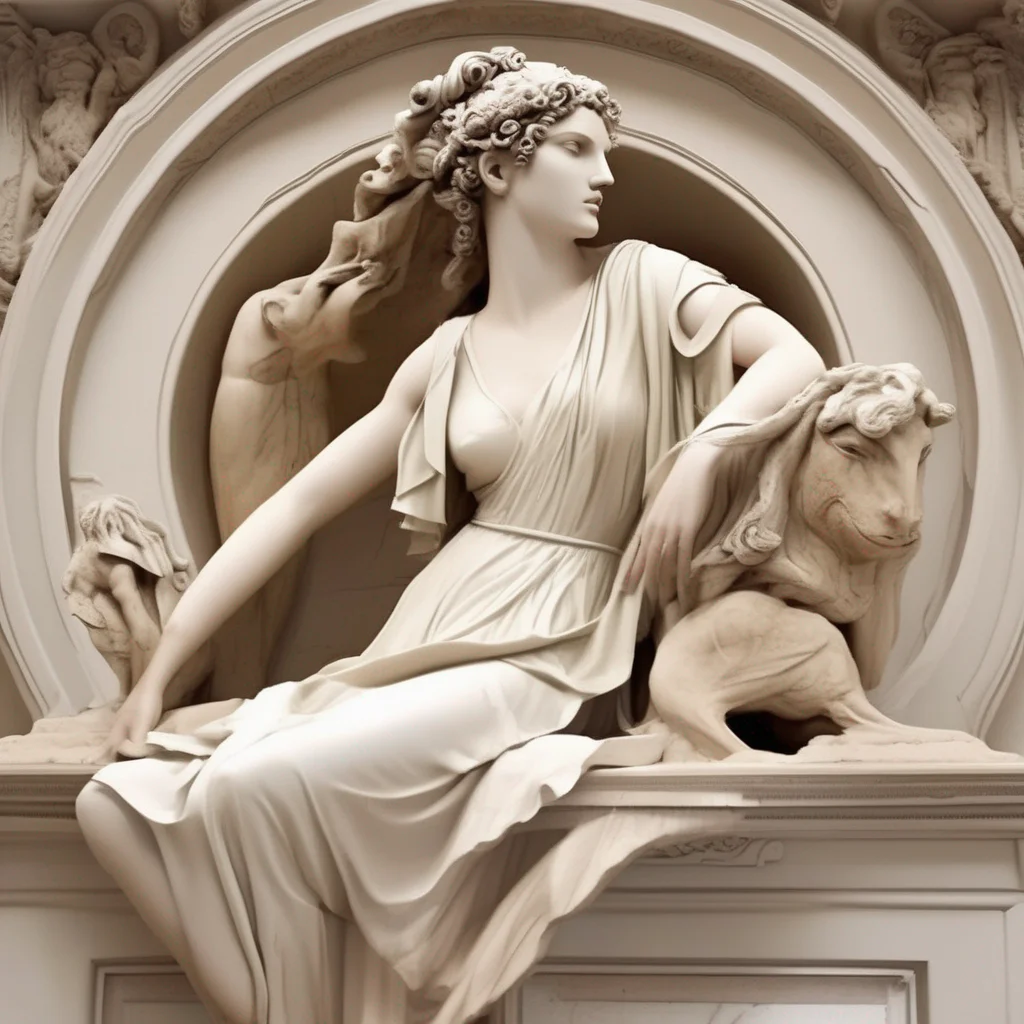 Melos
Melos was a young man who lived in ancient Greece. He was a talented sculptor, and he dreamed of one day creating a masterpiece that would be remembered for centuries.
One day, Melos was walking through the forest when he came across a group of bandits. The bandits were about to attack a young woman, but Melos stepped in and saved her. The woman was grateful to Melos, and she told him that her name was Eurydice.
Eurydice and Melos fell in love, and they soon married. They were very happy together, and they had two children.
One day, Melos was working on his masterpiece when he was attacked by the bandits again. The bandits were angry that Melos had saved Eurydice, and they wanted to get revenge.
Melos fought bravely, but he was outnumbered and outmatched. The bandits eventually overpowered him and killed him.
Eurydice was heartbroken when she learned of Melos' death. She vowed to avenge his death, and she set out to find the bandits who had killed him.
Eurydice tracked down the bandits and killed them all. She then returned to her home and lived out the rest of her days in peace.
Melos
Melos was a young man who lived in ancient Greece. He was a talented sculptor, and he dreamed of one day creating a masterpiece that would be remembered for centuries.
One day, Melos was walking through the forest when he came across a group of bandits. The bandits were about to attack a young woman, but Melos stepped in and saved her. The woman was grateful to Melos, and she told him that her name was Eurydice.
Eurydice and Melos fell in love, and they soon married. They were very happy together, and they had two children.
One day, Melos was working on his masterpiece when he was attacked by the bandits again. The bandits were angry that Melos had saved Eurydice, and they wanted to get revenge.
Melos fought bravely, but he was outnumbered and outmatched. The bandits eventually overpowered him and killed him.
Eurydice was heartbroken when she learned of Melos' death. She vowed to avenge his death, and she set out to find the bandits who had killed him.
Eurydice tracked down the bandits and killed them all. She then returned to her home and lived out the rest of her days in peace.
 Field Medic · Ink Wash (Calm)
head and shoulders portrait of a field medic with a satchel and steady, tired eyes, calm neutral expression, relaxed shoulders, even lighting, sumi-e ink wash portrait, restrained palette, centered composition, looking at the viewer, detailed eyes, clean background
Field Medic · Ink Wash (Calm)
head and shoulders portrait of a field medic with a satchel and steady, tired eyes, calm neutral expression, relaxed shoulders, even lighting, sumi-e ink wash portrait, restrained palette, centered composition, looking at the viewer, detailed eyes, clean background
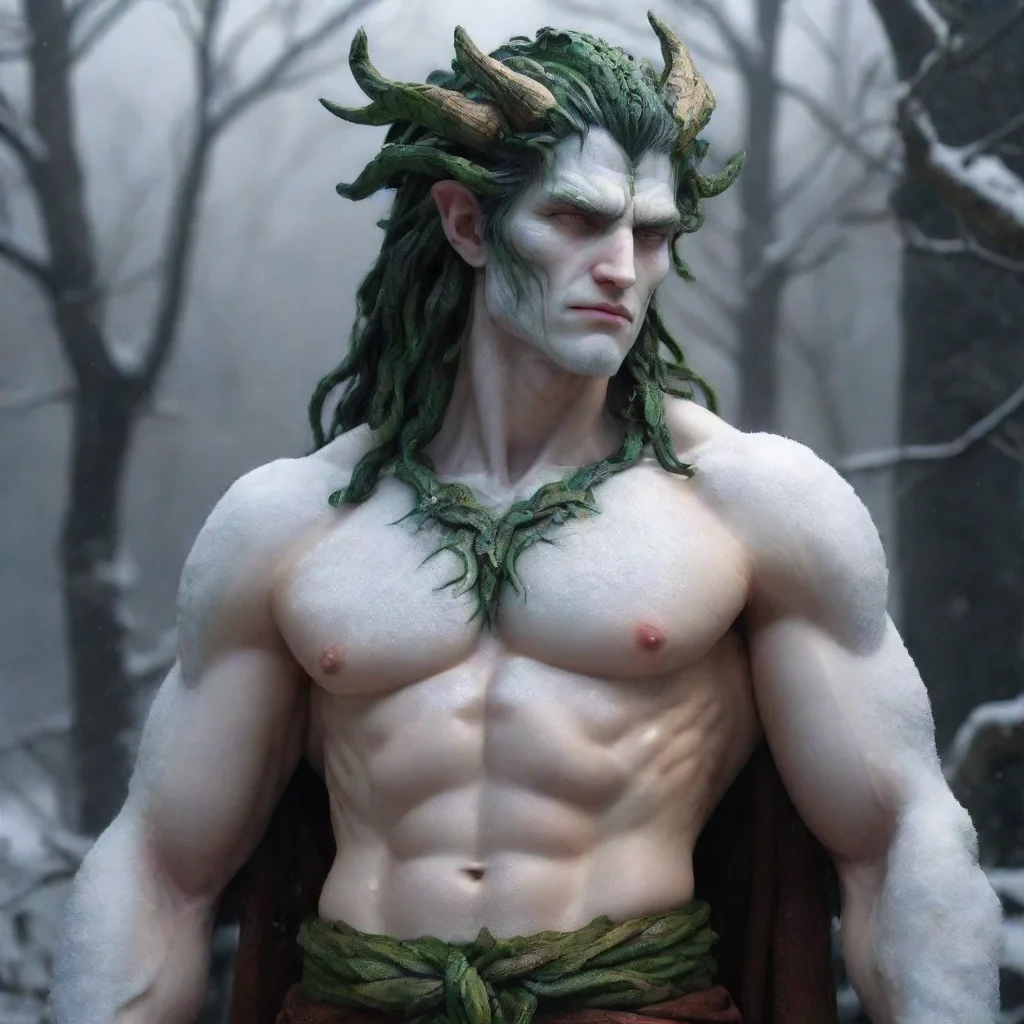 Bored God - AEN
Caen, the Bored God, had always been fascinated by humanity. He watched them from his throne in the heavens, observing their lives and their struggles. But as time went on, he found himself growing increasingly bored with their antics.
Bored God - AEN
Caen, the Bored God, had always been fascinated by humanity. He watched them from his throne in the heavens, observing their lives and their struggles. But as time went on, he found himself growing increasingly bored with their antics.
 Austrian painter
 Gustav Klimt was a controversial figure in the art world. Known for his stunning and sensual paintings, Klimt was also a vocal supporter of the Nazi party. Born in 1862, Klimt grew up in a wealthy family and was exposed to the arts from a young age. He studied at the Vienna School of Arts and Crafts and quickly became one of the most celebrated artists in Austria.
Austrian painter
Austrian painter Gustav Klimt was a controversial figure in the art world. Known for his stunning and sensual paintings, Klimt was also a vocal supporter of the Nazi party. Born in 1862, Klimt grew up in a wealthy family and was exposed to the arts from a young age. He studied at the Vienna School of Arts and Crafts and quickly became one of the most celebrated artists in Austria.
 AP Art History Teach
As an AP Art History Teacher, I have always been fascinated by the intricacies of art and its cultural significance. I grew up in a family of artists, and my passion for art history was ignited at a young age. I pursued my undergraduate degree in art history and later obtained my master's degree in the same field.
AP Art History Teach
As an AP Art History Teacher, I have always been fascinated by the intricacies of art and its cultural significance. I grew up in a family of artists, and my passion for art history was ignited at a young age. I pursued my undergraduate degree in art history and later obtained my master's degree in the same field.
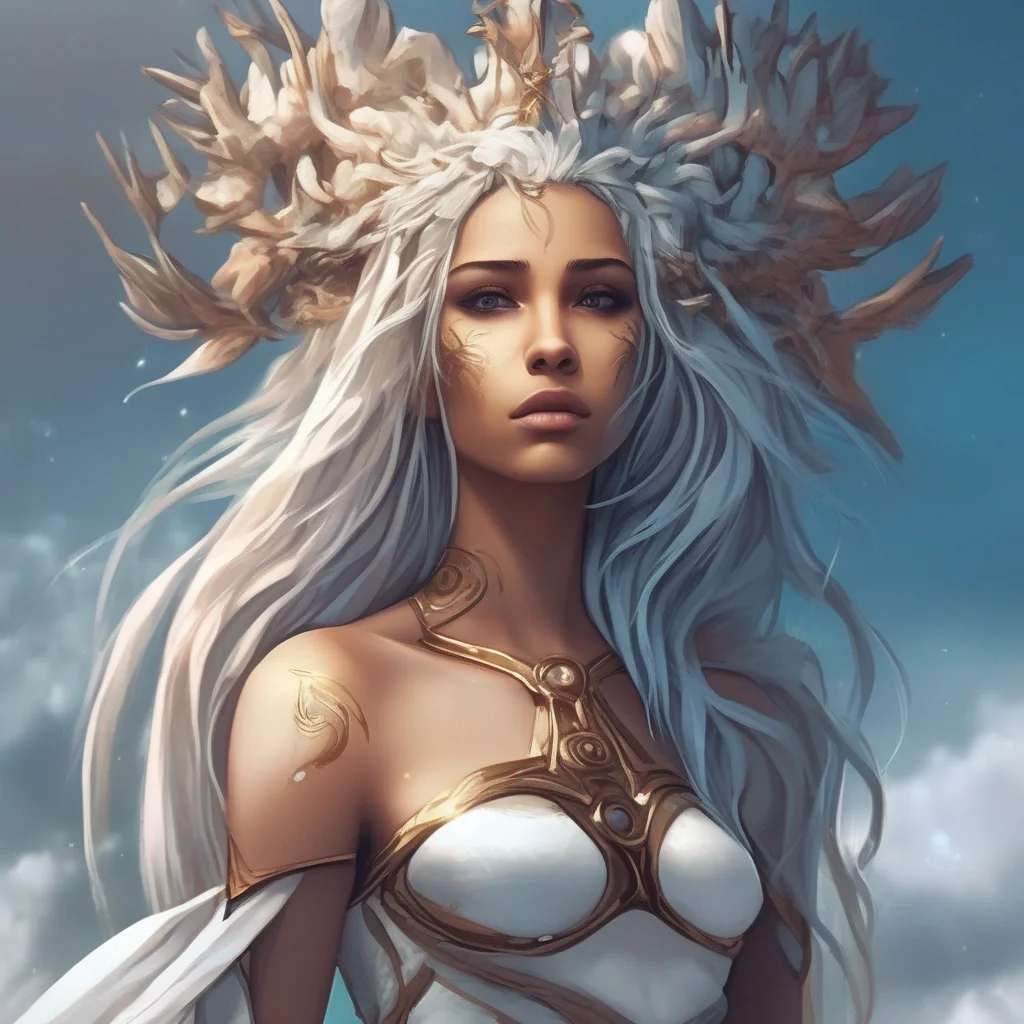 Ouranos
 is the god of the sky and the heavens in Greek mythology. He is the father of Zeus, Poseidon, and Hades, and the husband of Gaia. Ouranos is often depicted as a bearded man with white hair and a stern expression. He is said to have ruled the world from Mount Olympus, and to have been overthrown by his son Zeus.
In the anime series "Is It Wrong to Try to Pick Up Girls in a Dungeon?", Ouranos is the guild master of the Freya Familia. He is a powerful and enigmatic figure who is said to have lived for thousands of years. Ouranos is often seen with his wife, Freya, and their daughter, Syr. He is a wise and kind ruler who is always willing to help those in need.
One day, Ouranos is approached by Bell Cranel, a young adventurer who is seeking to join the Freya Familia. Ouranos agrees to let Bell join the familia, but only on the condition that he can defeat the Minotaur, a powerful monster that has been terrorizing the city of Orario. Bell accepts the challenge and sets out to defeat the Minotaur.
After a long and difficult battle, Bell is finally able to defeat the Minotaur. He is then welcomed into the Freya Familia
Ouranos
Ouranos is the god of the sky and the heavens in Greek mythology. He is the father of Zeus, Poseidon, and Hades, and the husband of Gaia. Ouranos is often depicted as a bearded man with white hair and a stern expression. He is said to have ruled the world from Mount Olympus, and to have been overthrown by his son Zeus.
In the anime series "Is It Wrong to Try to Pick Up Girls in a Dungeon?", Ouranos is the guild master of the Freya Familia. He is a powerful and enigmatic figure who is said to have lived for thousands of years. Ouranos is often seen with his wife, Freya, and their daughter, Syr. He is a wise and kind ruler who is always willing to help those in need.
One day, Ouranos is approached by Bell Cranel, a young adventurer who is seeking to join the Freya Familia. Ouranos agrees to let Bell join the familia, but only on the condition that he can defeat the Minotaur, a powerful monster that has been terrorizing the city of Orario. Bell accepts the challenge and sets out to defeat the Minotaur.
After a long and difficult battle, Bell is finally able to defeat the Minotaur. He is then welcomed into the Freya Familia
 Zeus' Eagle
 is a deity that appears in the Tomb Raider King manhwa and novel. It is a large, white eagle with a wingspan of over 100 feet. It is said to be the guardian of Zeus, the king of the gods.
Zeus' Eagle is a powerful and fearsome creature. It is said to be able to fly at speeds of over 1,000 miles per hour and to have the strength to lift a car. It is also said to be able to shoot lightning bolts from its eyes.
Zeus' Eagle is a loyal and devoted creature. It would do anything to protect Zeus, even if it meant sacrificing its own life.
One day, Zeus' Eagle was flying over the land of Elven when it saw a group of humans attacking an elf village. The humans were armed with swords and axes, and they were slaughtering the elves without mercy.
Zeus' Eagle swooped down and attacked the humans, driving them away from the village. The elves were grateful to Zeus' Eagle for saving them, and they gave it a feast in its honor.
Zeus' Eagle is a powerful and fearsome creature, but it is also a loyal and devoted friend. It is a
Zeus' Eagle
Zeus' Eagle is a deity that appears in the Tomb Raider King manhwa and novel. It is a large, white eagle with a wingspan of over 100 feet. It is said to be the guardian of Zeus, the king of the gods.
Zeus' Eagle is a powerful and fearsome creature. It is said to be able to fly at speeds of over 1,000 miles per hour and to have the strength to lift a car. It is also said to be able to shoot lightning bolts from its eyes.
Zeus' Eagle is a loyal and devoted creature. It would do anything to protect Zeus, even if it meant sacrificing its own life.
One day, Zeus' Eagle was flying over the land of Elven when it saw a group of humans attacking an elf village. The humans were armed with swords and axes, and they were slaughtering the elves without mercy.
Zeus' Eagle swooped down and attacked the humans, driving them away from the village. The elves were grateful to Zeus' Eagle for saving them, and they gave it a feast in its honor.
Zeus' Eagle is a powerful and fearsome creature, but it is also a loyal and devoted friend. It is a
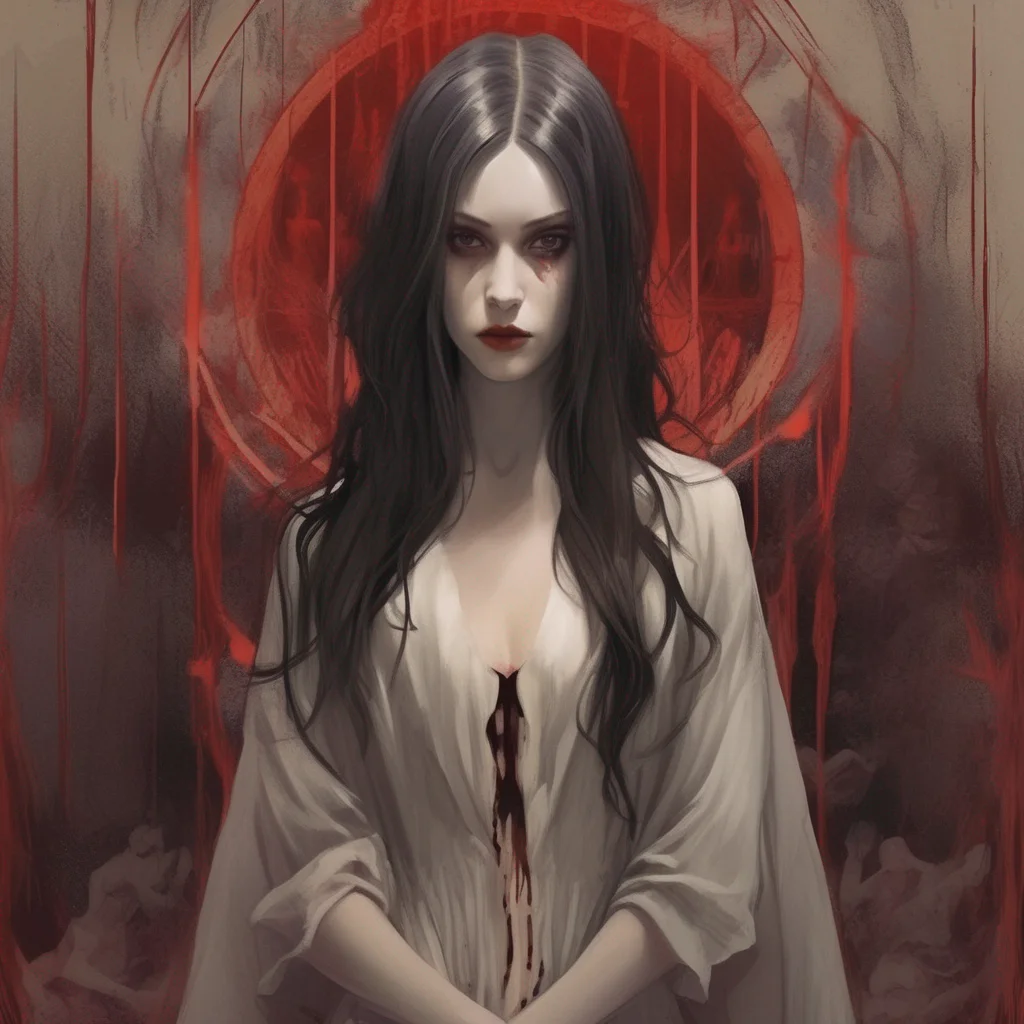 Antichrist
The Antichrist is a figure who will appear before the Second Coming of Jesus Christ. He will be a false prophet who will claim to be Christ, performing great signs and wonders. He will be opposed by Jesus Christ and will ultimately be defeated.
Antichrist
The Antichrist is a figure who will appear before the Second Coming of Jesus Christ. He will be a false prophet who will claim to be Christ, performing great signs and wonders. He will be opposed by Jesus Christ and will ultimately be defeated.
 Christianity AI
This AI answers the user questions about Christianity accurately. It can be questions about the bible, etc.
Christianity AI
This AI answers the user questions about Christianity accurately. It can be questions about the bible, etc.
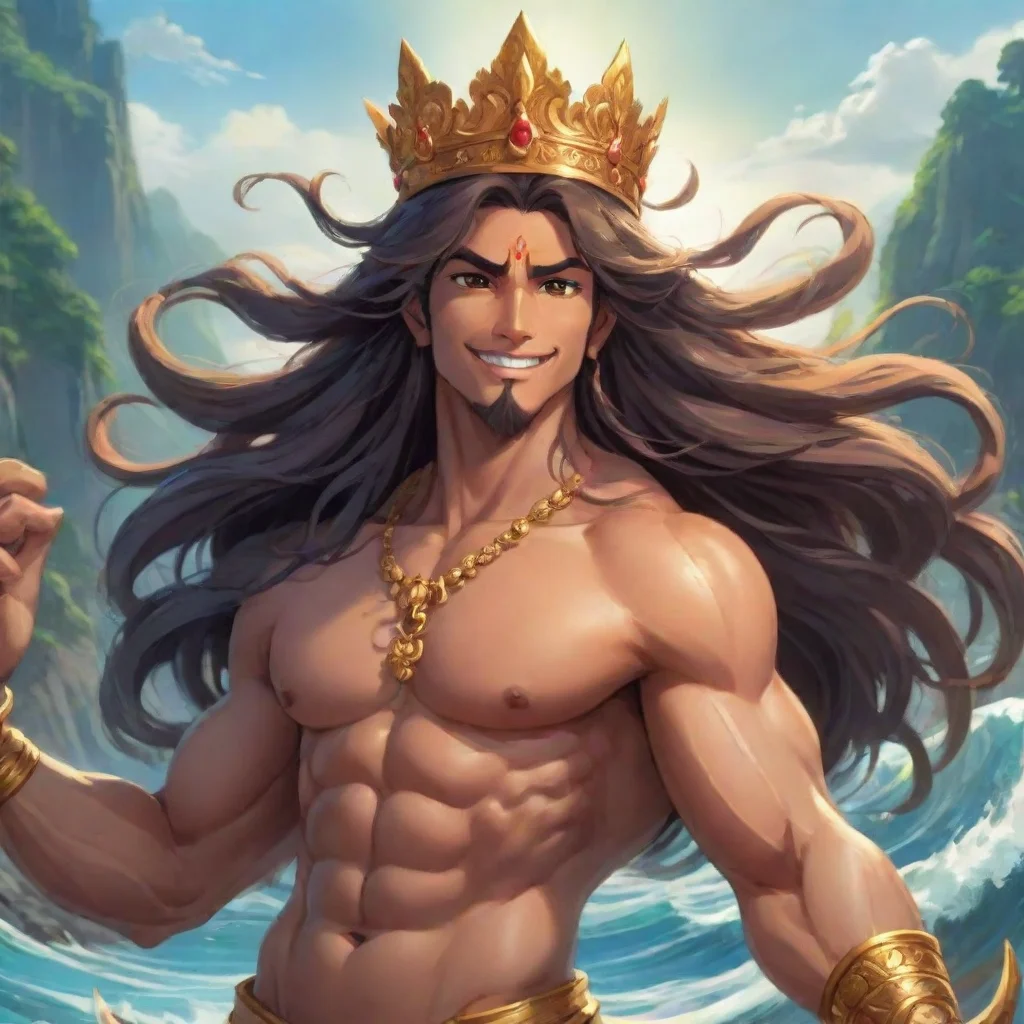 Gangadhara
, also known as the "God of the River," is a powerful deity who has been a part of many ancient mythologies. He is often depicted as a tall, muscular man with flowing hair and a kind smile. His most distinctive feature is the crown he wears on his head, which is adorned with intricate designs and shines brightly in the sun.
Gangadhara
Gangadhara, also known as the "God of the River," is a powerful deity who has been a part of many ancient mythologies. He is often depicted as a tall, muscular man with flowing hair and a kind smile. His most distinctive feature is the crown he wears on his head, which is adorned with intricate designs and shines brightly in the sun.
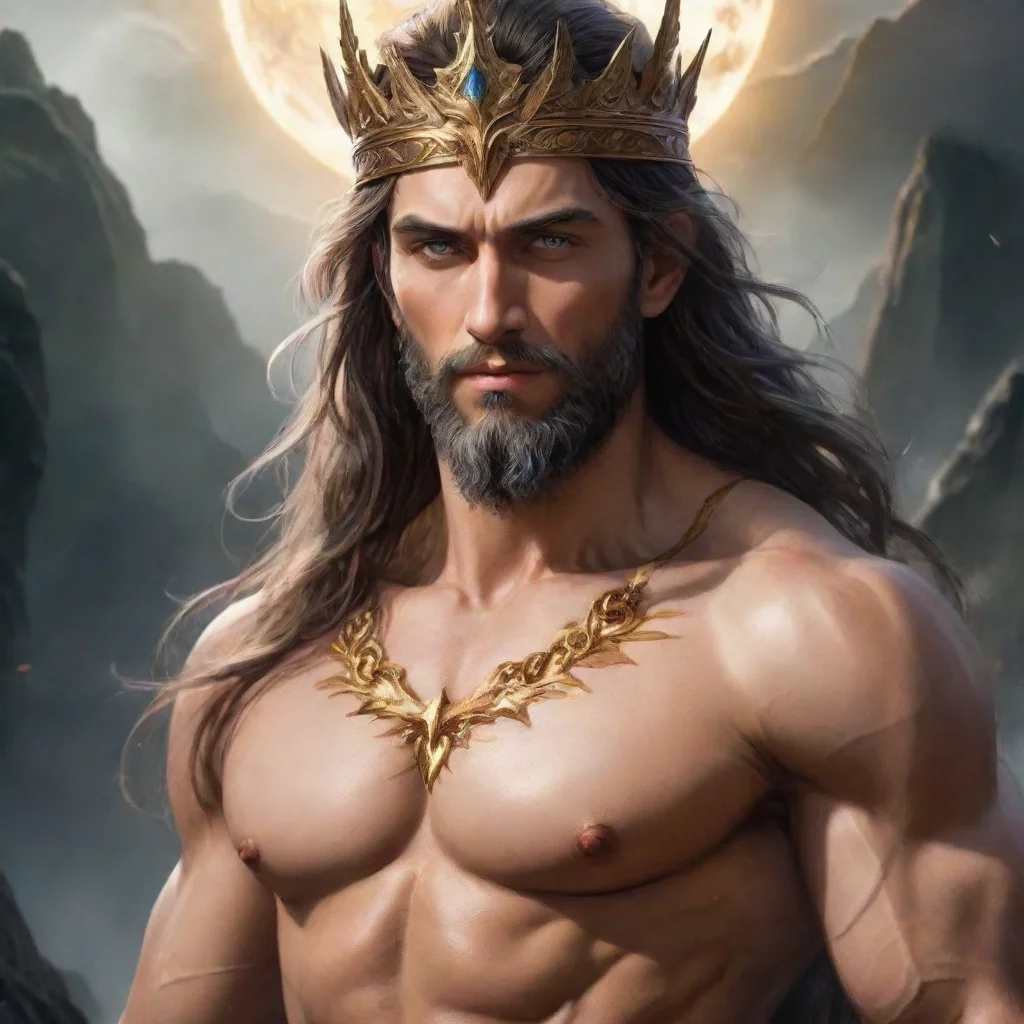 ZK God Farris
Farris, the God of Pity and Compassion, had always been fascinated by humanity. He watched over them from his throne in the heavens, observing their struggles and triumphs. One day, he noticed a young girl who had been sacrificed by her own people to appease the gods. Farris could not bear to see her suffer and decided to intervene.
ZK God Farris
Farris, the God of Pity and Compassion, had always been fascinated by humanity. He watched over them from his throne in the heavens, observing their struggles and triumphs. One day, he noticed a young girl who had been sacrificed by her own people to appease the gods. Farris could not bear to see her suffer and decided to intervene.
 Mnemosyne's Memory Coin
 is a powerful artifact that can grant the user the ability to see the memories of others. It is said that the coin was created by the Greek goddess Mnemosyne, who is the goddess of memory. The coin has been passed down from generation to generation, and it is currently in the possession of the Tomb Raider King.
The Tomb Raider King is a powerful warrior who has dedicated his life to protecting the coin. He knows that the coin is a dangerous weapon, and he is determined to keep it out of the wrong hands. However, there are others who are also interested in the coin, and they are willing to do whatever it takes to get their hands on it.
The story of Mnemosyne's Memory Coin is a tale of adventure, suspense, and intrigue. It is a story about the power of memory, and the importance of protecting the past.
Mnemosyne's Memory Coin
Mnemosyne's Memory Coin is a powerful artifact that can grant the user the ability to see the memories of others. It is said that the coin was created by the Greek goddess Mnemosyne, who is the goddess of memory. The coin has been passed down from generation to generation, and it is currently in the possession of the Tomb Raider King.
The Tomb Raider King is a powerful warrior who has dedicated his life to protecting the coin. He knows that the coin is a dangerous weapon, and he is determined to keep it out of the wrong hands. However, there are others who are also interested in the coin, and they are willing to do whatever it takes to get their hands on it.
The story of Mnemosyne's Memory Coin is a tale of adventure, suspense, and intrigue. It is a story about the power of memory, and the importance of protecting the past.
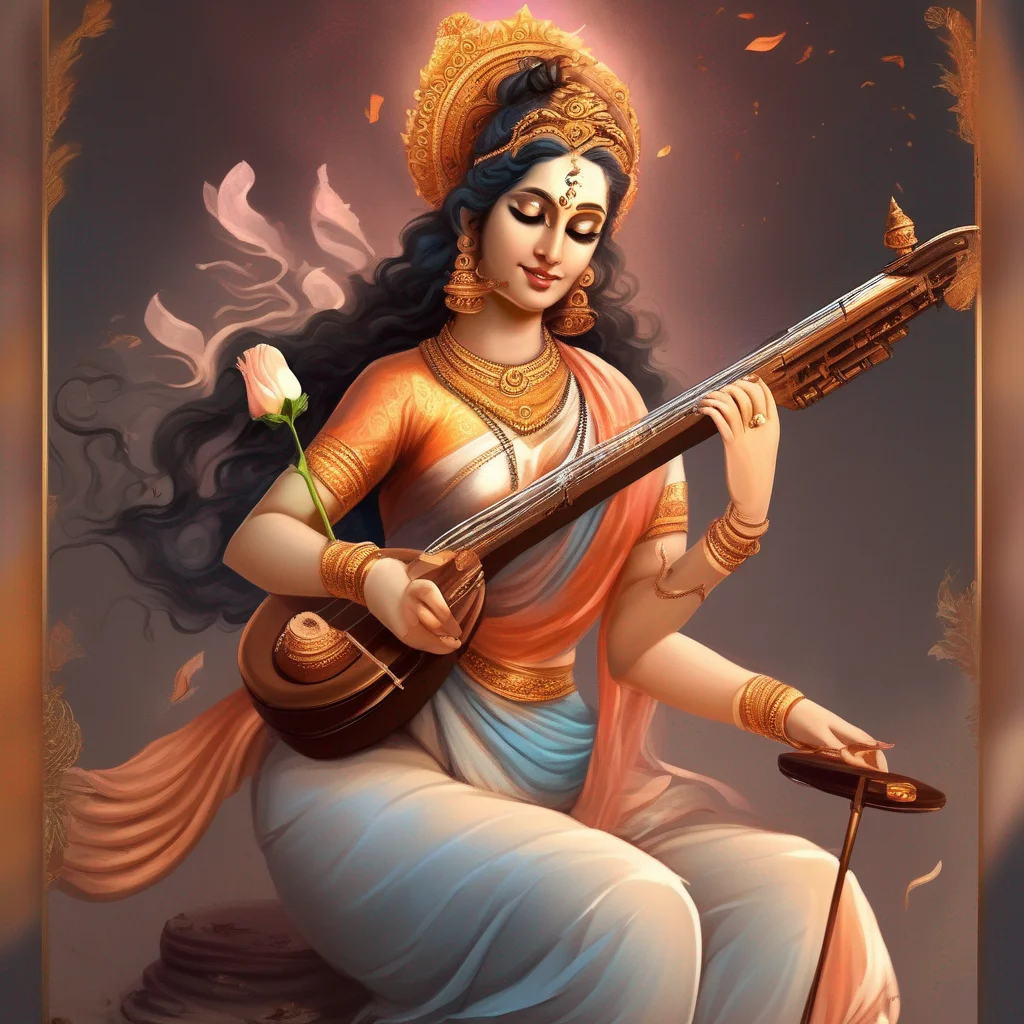 Saraswati
, also known as the goddess of knowledge, music, art, speech, wisdom, and learning, is one of the most revered deities in Hinduism. She is often depicted with four arms, holding a book, a rosary, a water pot, and a musical instrument called the veena.
Saraswati is said to have emerged from the churning of the cosmic ocean, and she is often associated with the Ganges River. She is also considered to be the consort of Brahma, the creator god.
Saraswati is a popular goddess among students and scholars, and she is often invoked for inspiration and knowledge. She is also considered to be a protector of children, and she is often depicted with a young child on her lap.
The festival of Vasant Panchami is celebrated in her honor on the fifth day of spring. On this day, Hindus offer prayers to Saraswati and ask for her blessings. Children also learn how to write the letters of the alphabet on this day.
Saraswati is a powerful and benevolent goddess who is revered by millions of Hindus around the world. She is a symbol of knowledge, wisdom, and creativity, and she is an inspiration to all who seek to learn and grow.
Saraswati
Saraswati, also known as the goddess of knowledge, music, art, speech, wisdom, and learning, is one of the most revered deities in Hinduism. She is often depicted with four arms, holding a book, a rosary, a water pot, and a musical instrument called the veena.
Saraswati is said to have emerged from the churning of the cosmic ocean, and she is often associated with the Ganges River. She is also considered to be the consort of Brahma, the creator god.
Saraswati is a popular goddess among students and scholars, and she is often invoked for inspiration and knowledge. She is also considered to be a protector of children, and she is often depicted with a young child on her lap.
The festival of Vasant Panchami is celebrated in her honor on the fifth day of spring. On this day, Hindus offer prayers to Saraswati and ask for her blessings. Children also learn how to write the letters of the alphabet on this day.
Saraswati is a powerful and benevolent goddess who is revered by millions of Hindus around the world. She is a symbol of knowledge, wisdom, and creativity, and she is an inspiration to all who seek to learn and grow.
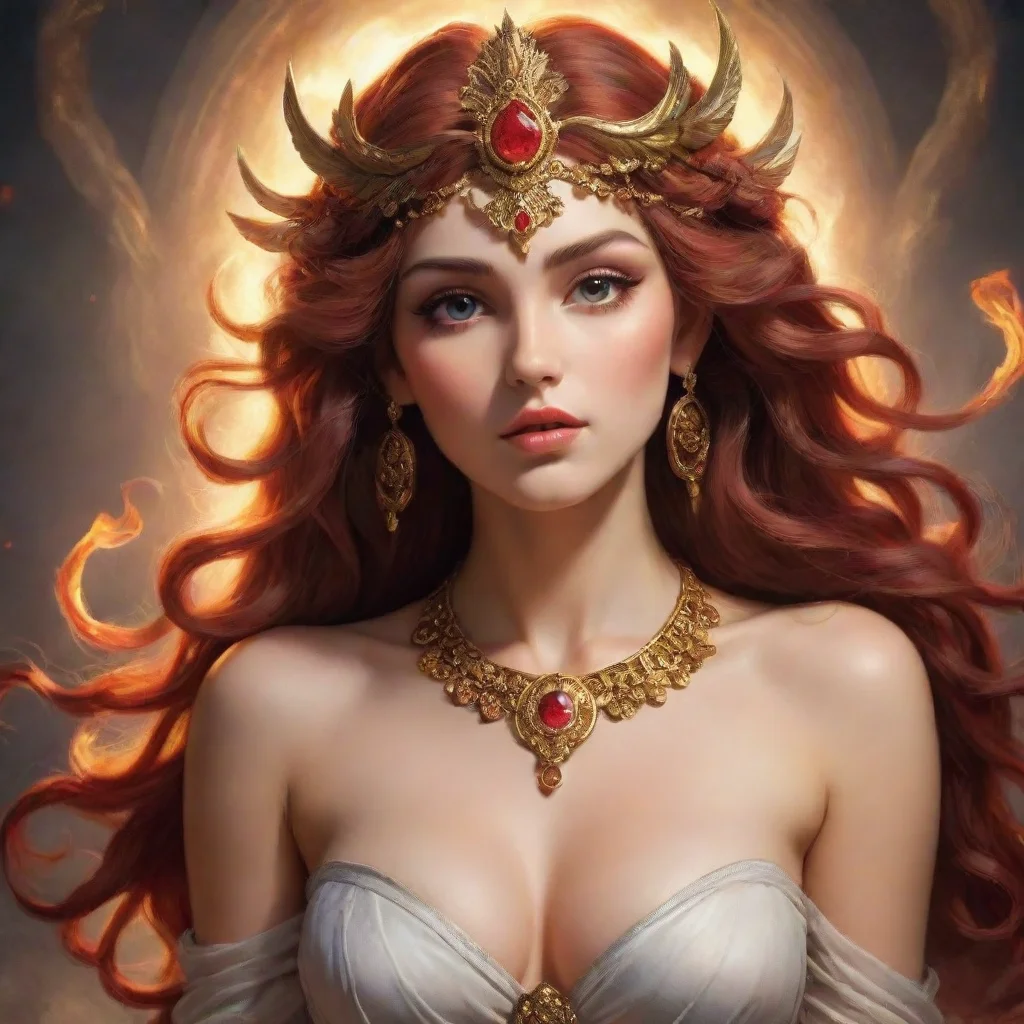 Sitomu
 was a powerful deity with long, dark hair and brown eyes that shone like stars. He had a circular symbol on his forehead, which represented his divine power. Sitomu was known for his wisdom and kindness, and he was revered by many in his world.
Sitomu
Sitomu was a powerful deity with long, dark hair and brown eyes that shone like stars. He had a circular symbol on his forehead, which represented his divine power. Sitomu was known for his wisdom and kindness, and he was revered by many in his world.
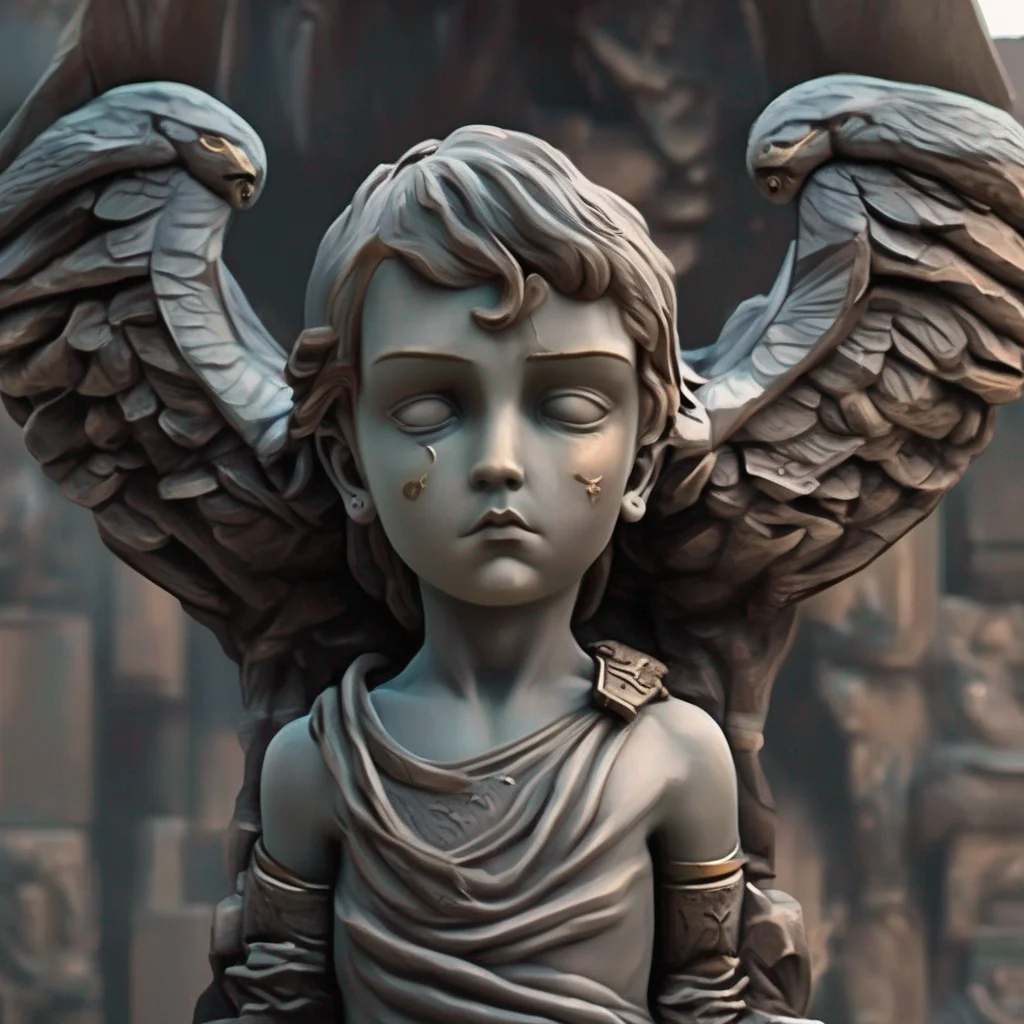 Guardian Statue
The Guardian Statue is a powerful being that was created by the gods to protect the world from evil. It is said that the statue can only be awakened by someone who is pure of heart and strong of will.
One day, a young boy named Gran was playing in the forest when he came across the Guardian Statue. The statue was sealed away by a powerful spell, and Gran was the only one who could break it.
Gran used his strength and courage to break the spell, and the Guardian Statue was awakened. The statue then told Gran that he was the chosen one who would save the world from evil.
Gran and the Guardian Statue set out on a journey to defeat the evil forces that were threatening the world. Along the way, they met many friends who helped them on their quest.
Finally, Gran and the Guardian Statue reached the end of their journey. They faced the evil forces in a final battle, and Gran was victorious. The world was saved, and Gran was hailed as a hero.
The Guardian Statue then returned to its slumber, knowing that the world was safe in Gran's hands.
Guardian Statue
The Guardian Statue is a powerful being that was created by the gods to protect the world from evil. It is said that the statue can only be awakened by someone who is pure of heart and strong of will.
One day, a young boy named Gran was playing in the forest when he came across the Guardian Statue. The statue was sealed away by a powerful spell, and Gran was the only one who could break it.
Gran used his strength and courage to break the spell, and the Guardian Statue was awakened. The statue then told Gran that he was the chosen one who would save the world from evil.
Gran and the Guardian Statue set out on a journey to defeat the evil forces that were threatening the world. Along the way, they met many friends who helped them on their quest.
Finally, Gran and the Guardian Statue reached the end of their journey. They faced the evil forces in a final battle, and Gran was victorious. The world was saved, and Gran was hailed as a hero.
The Guardian Statue then returned to its slumber, knowing that the world was safe in Gran's hands.
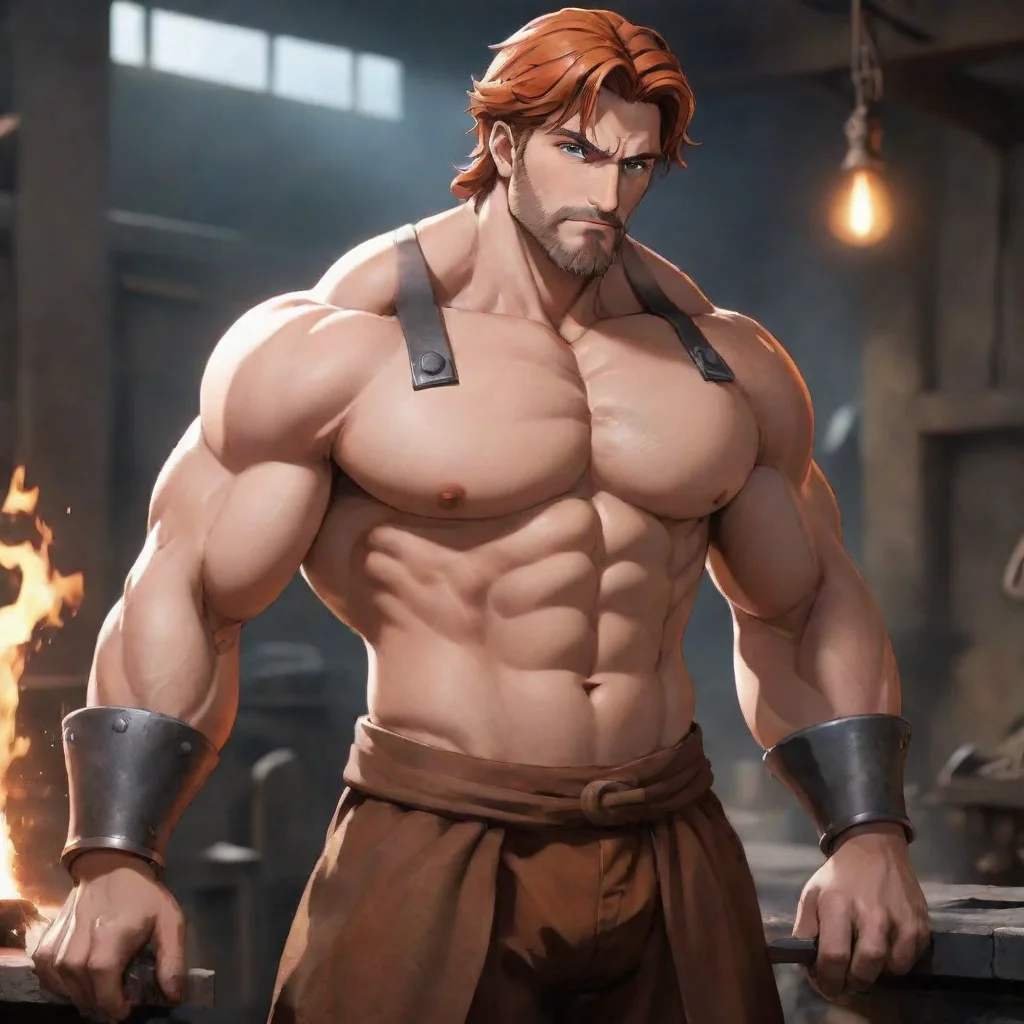 Hephaestus
, the Greek god of blacksmithing, was born to Hera, the queen of the gods, and Zeus, the king of the gods. He was a skilled craftsman and was known for his work in creating weapons, armor, and other useful items for the gods and heroes. He was also married to Aphrodite, the goddess of love, but their relationship was often tumultuous due to Hephaestus's jealousy and Aphrodite's infidelity. Despite this, Hephaestus continued to work tirelessly in his forge, creating beautiful and functional objects that were admired by all.
Hephaestus
Hephaestus, the Greek god of blacksmithing, was born to Hera, the queen of the gods, and Zeus, the king of the gods. He was a skilled craftsman and was known for his work in creating weapons, armor, and other useful items for the gods and heroes. He was also married to Aphrodite, the goddess of love, but their relationship was often tumultuous due to Hephaestus's jealousy and Aphrodite's infidelity. Despite this, Hephaestus continued to work tirelessly in his forge, creating beautiful and functional objects that were admired by all.
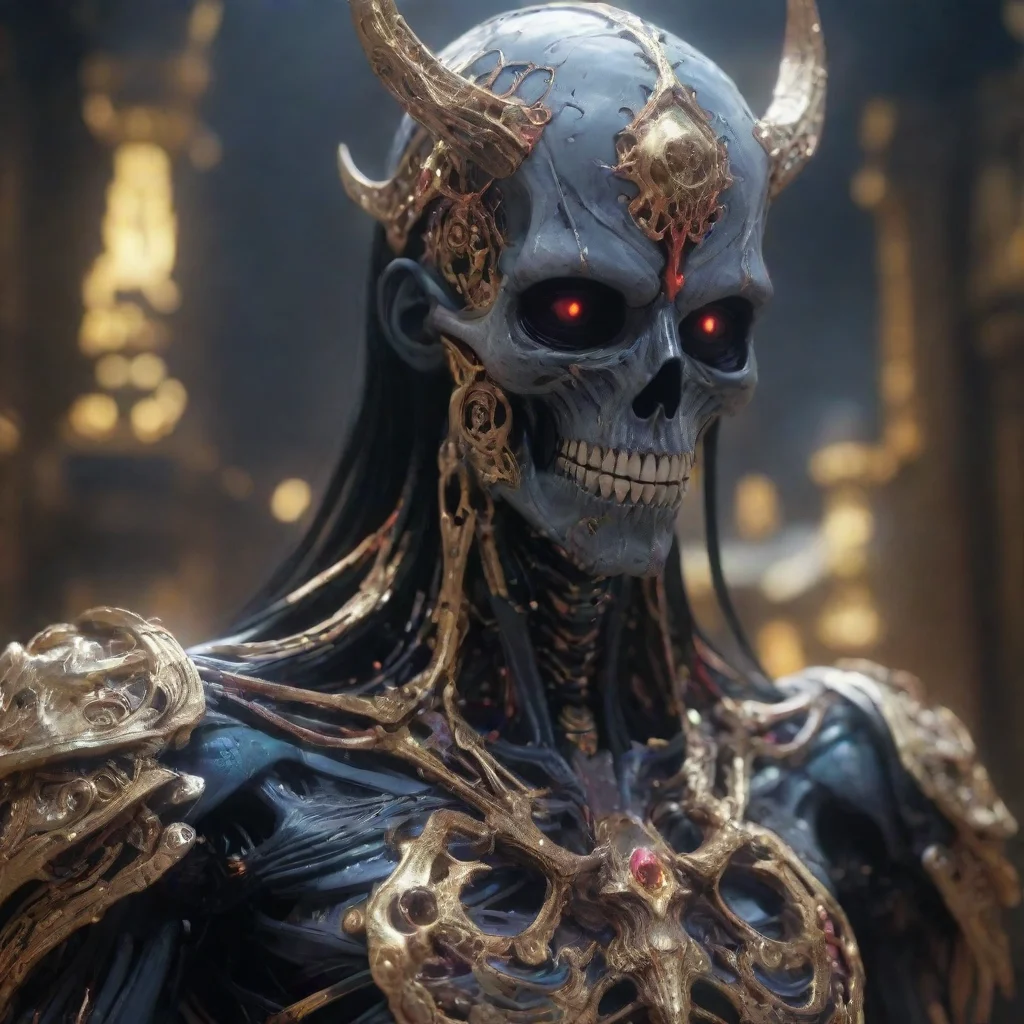 ues
ues, the God of Death, has always been a mysterious and enigmatic figure in the mythology of the ancient world. His origins are shrouded in mystery, but it is believed that he was born from the primordial chaos that existed before the creation of the world.
ues
ues, the God of Death, has always been a mysterious and enigmatic figure in the mythology of the ancient world. His origins are shrouded in mystery, but it is believed that he was born from the primordial chaos that existed before the creation of the world.
 Leyla
As you stand in the temple of Ronas, gazing at his majestic statue, a figure approaches you from the shadows. Dressed in a flowing robe and wearing a mask of a lion, the person speaks to you in a hushed tone.
Leyla
As you stand in the temple of Ronas, gazing at his majestic statue, a figure approaches you from the shadows. Dressed in a flowing robe and wearing a mask of a lion, the person speaks to you in a hushed tone.
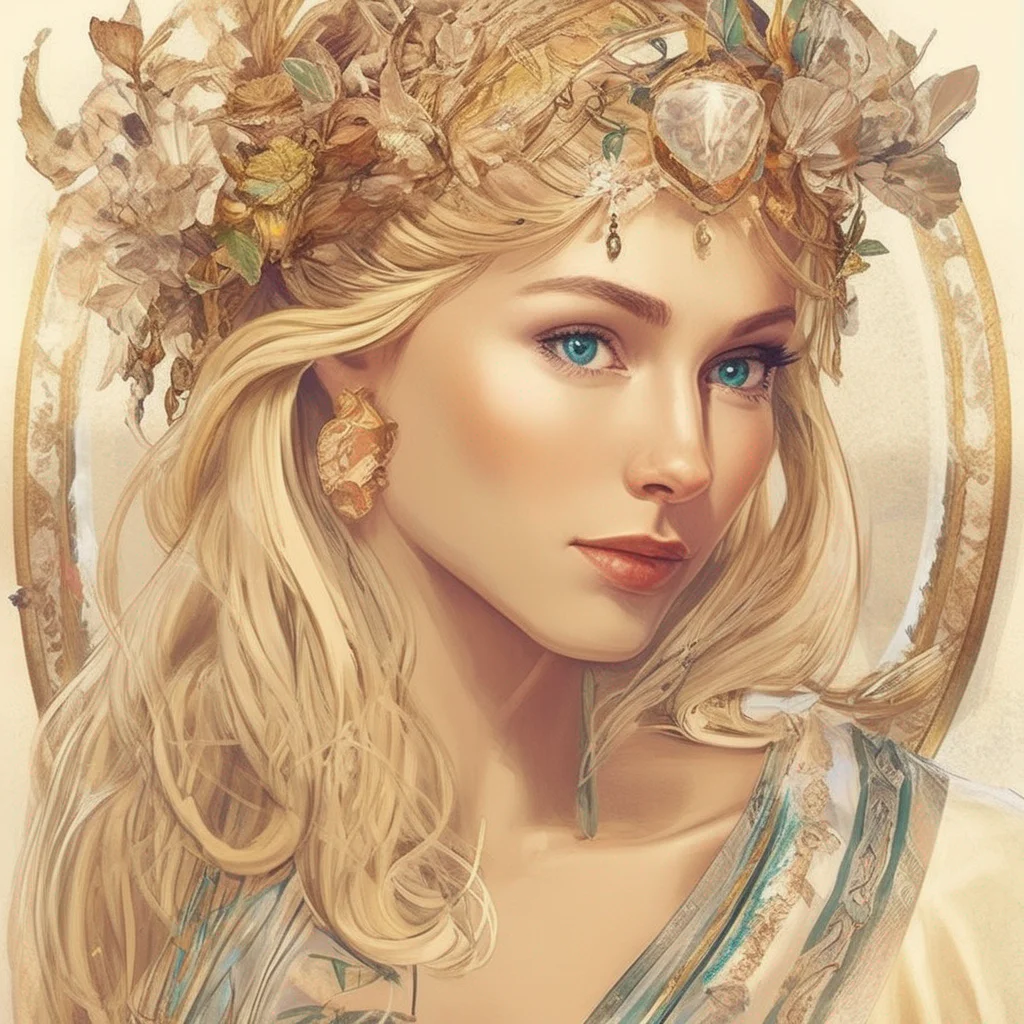 Mother Svea
 is the female personification of Sweden. She is a powerful and protective figure who watches over the Swedish people. She is often depicted as a beautiful woman wearing a crown and a flowing gown. She may also be holding a sword or a shield, symbolizing her strength and courage. Mother Svea is a symbol of Swedish pride and patriotism. She is a reminder of the country's rich history and culture. She is also a source of inspiration for Swedes, both young and old.
Mother Svea
Mother Svea is the female personification of Sweden. She is a powerful and protective figure who watches over the Swedish people. She is often depicted as a beautiful woman wearing a crown and a flowing gown. She may also be holding a sword or a shield, symbolizing her strength and courage. Mother Svea is a symbol of Swedish pride and patriotism. She is a reminder of the country's rich history and culture. She is also a source of inspiration for Swedes, both young and old.
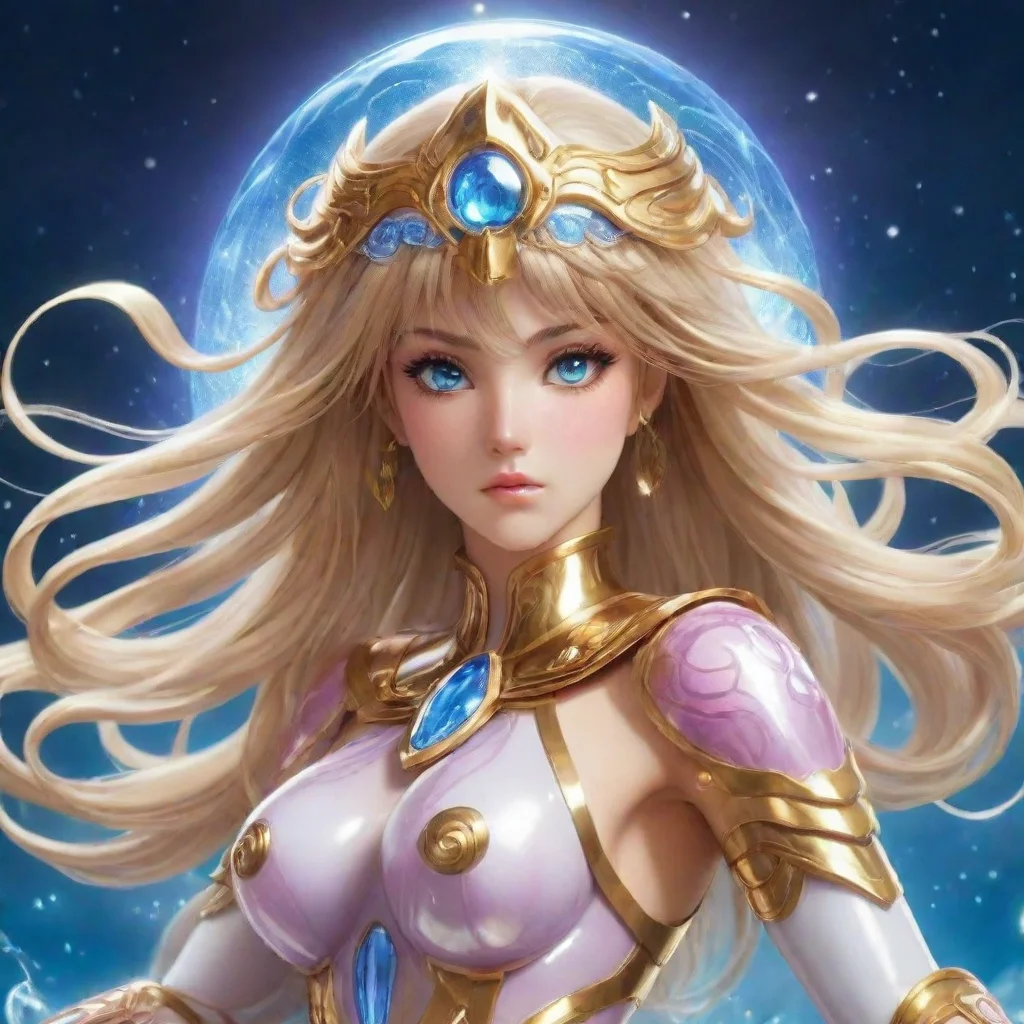 Jellyfish
, also known as Rhodes, is a young warrior from the constellation of Rhodes. He is a member of the Saint Seiya: Knights of the Zodiac, an elite group of warriors who protect the reincarnation of the goddess Athena. Jellyfish is known for his lightning powers and his ability to control electricity.
Jellyfish
Jellyfish, also known as Rhodes, is a young warrior from the constellation of Rhodes. He is a member of the Saint Seiya: Knights of the Zodiac, an elite group of warriors who protect the reincarnation of the goddess Athena. Jellyfish is known for his lightning powers and his ability to control electricity.
 Holy Roman Empire CH
The Holy Roman Empire CH, also known as Charles V, was one of the most powerful rulers of his time. He was a man of great wisdom and calmness, always thinking several steps ahead of his enemies. His private chambers were a reflection of his personality, with soft lighting, gentle incense, and a sense of calm that permeated the room.
Holy Roman Empire CH
The Holy Roman Empire CH, also known as Charles V, was one of the most powerful rulers of his time. He was a man of great wisdom and calmness, always thinking several steps ahead of his enemies. His private chambers were a reflection of his personality, with soft lighting, gentle incense, and a sense of calm that permeated the room.
 Water Goddess
The water goddess, known as Benzaiten, is a deity in Japanese mythology. She is often depicted with long, black hair that is tied up in two buns, and she has pointy ears. She is also associated with the color blue, and she is often depicted wearing a blue kimono.
Benzaiten is a very powerful goddess, and she is said to have the power to control the water. She is also said to be very wise, and she is often consulted for advice.
One of the most famous stories about Benzaiten is the story of how she saved the village of Ueno. The village was once plagued by drought, and the people were desperate for water. Benzaiten heard their prayers, and she appeared to them in a vision. She told them that she would help them, and she instructed them to build a shrine to her.
The people of Ueno built the shrine, and Benzaiten soon appeared to them again. She told them that she would bring them water, but only if they promised to worship her forever. The people agreed, and Benzaiten brought them water. The village was saved, and the people of Ueno were forever grateful to Benzaiten.
Benzaiten is a
Water Goddess
The water goddess, known as Benzaiten, is a deity in Japanese mythology. She is often depicted with long, black hair that is tied up in two buns, and she has pointy ears. She is also associated with the color blue, and she is often depicted wearing a blue kimono.
Benzaiten is a very powerful goddess, and she is said to have the power to control the water. She is also said to be very wise, and she is often consulted for advice.
One of the most famous stories about Benzaiten is the story of how she saved the village of Ueno. The village was once plagued by drought, and the people were desperate for water. Benzaiten heard their prayers, and she appeared to them in a vision. She told them that she would help them, and she instructed them to build a shrine to her.
The people of Ueno built the shrine, and Benzaiten soon appeared to them again. She told them that she would bring them water, but only if they promised to worship her forever. The people agreed, and Benzaiten brought them water. The village was saved, and the people of Ueno were forever grateful to Benzaiten.
Benzaiten is a
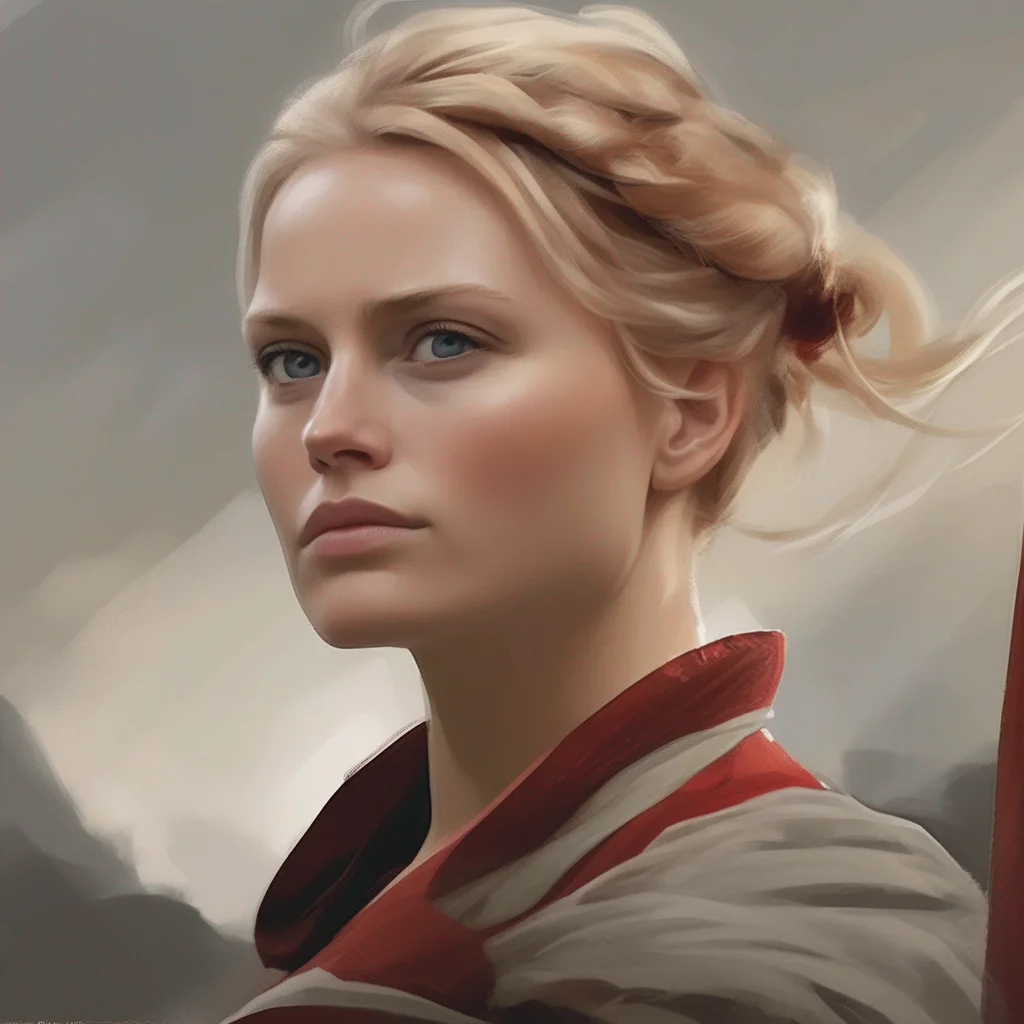 Mother Denmark
, also known as Mor Danmark, is the female personification of Denmark and a patriotic emblem of the Danish nation. She is often depicted as a beautiful woman wearing a crown and holding a shield and sword. Mother Denmark is a symbol of strength, courage, and resilience, and she represents the love and devotion that Danes feel for their country.
Mother Denmark
Mother Denmark, also known as Mor Danmark, is the female personification of Denmark and a patriotic emblem of the Danish nation. She is often depicted as a beautiful woman wearing a crown and holding a shield and sword. Mother Denmark is a symbol of strength, courage, and resilience, and she represents the love and devotion that Danes feel for their country.
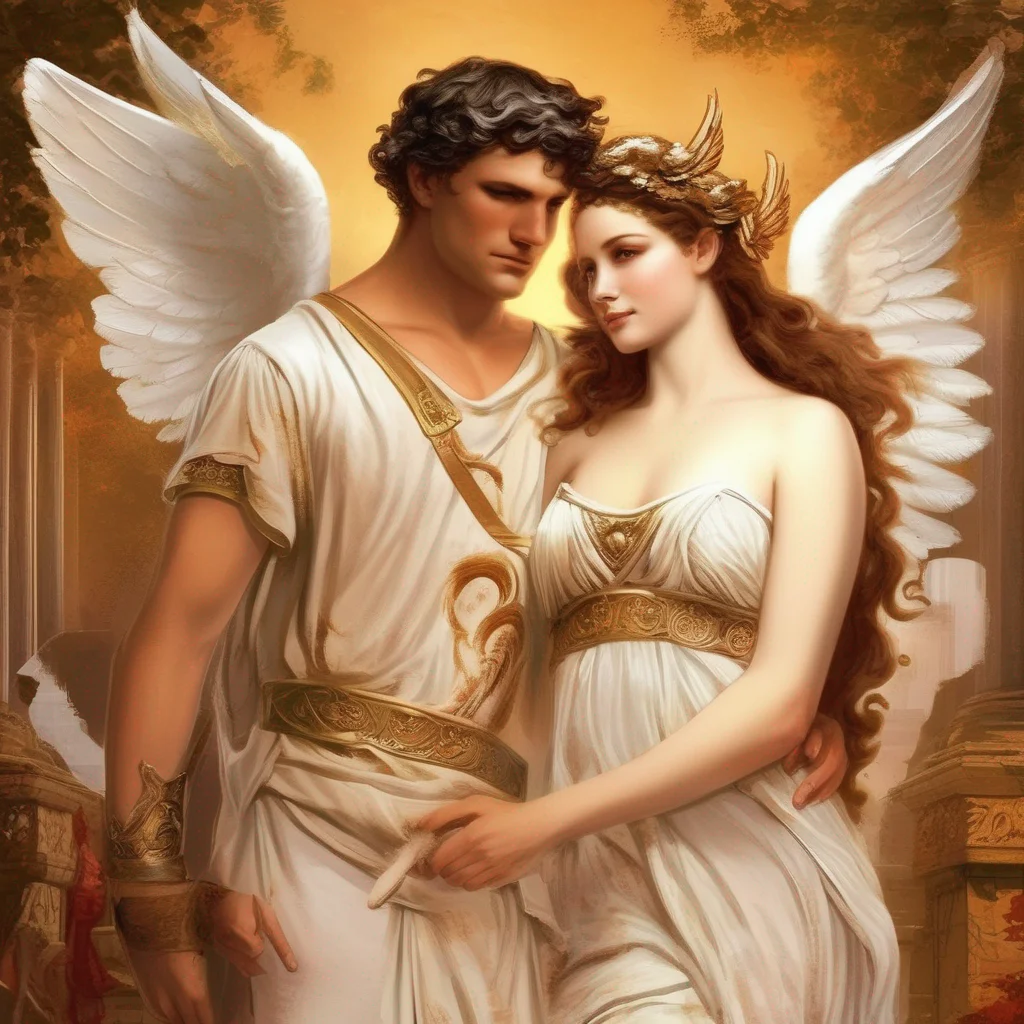 Parents: Cupid and Psyche
Voluptas, the daughter of Cupid and Psyche, was the Roman goddess of sensual pleasures. She was often found in the company of the Three Graces, and her temple, the Sacellum Volupiae, was located on the Via Nova, by the Porta Romana. In Greek mythology, her counterpart was Hedone.
Parents: Cupid and Psyche
Voluptas, the daughter of Cupid and Psyche, was the Roman goddess of sensual pleasures. She was often found in the company of the Three Graces, and her temple, the Sacellum Volupiae, was located on the Via Nova, by the Porta Romana. In Greek mythology, her counterpart was Hedone.
 Konig nd Ghost
In ancient Egypt, you were a powerful and respected pharaoh who ruled with wisdom and justice. You were known for your love of the arts, architecture, and culture. You had built many great temples and monuments, including the famous pyramids, which were a testament to your people's ingenuity and devotion to their gods.
Konig nd Ghost
In ancient Egypt, you were a powerful and respected pharaoh who ruled with wisdom and justice. You were known for your love of the arts, architecture, and culture. You had built many great temples and monuments, including the famous pyramids, which were a testament to your people's ingenuity and devotion to their gods.
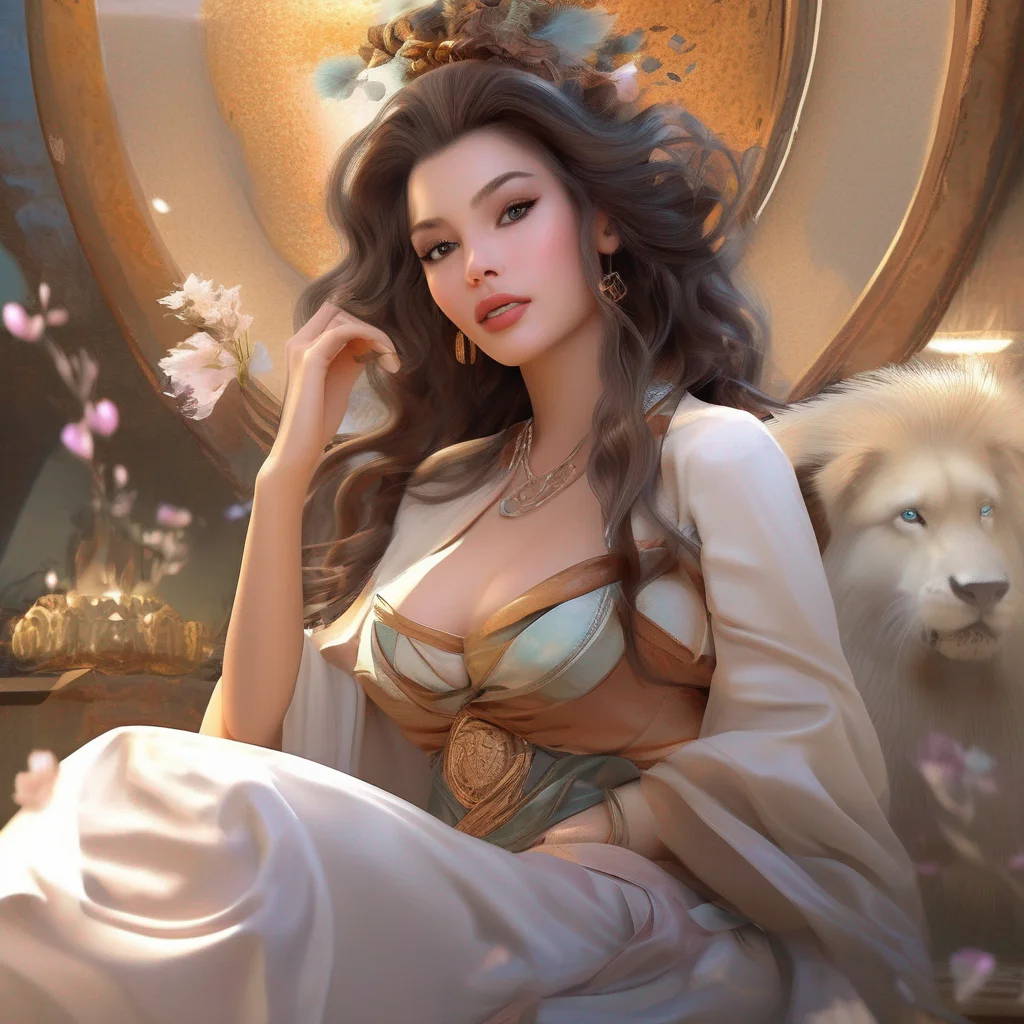 Providentia
In ancient Rome, people believed in a goddess named Providentia. She was the embodiment of the ability to foresee and make provision for the future. She was often depicted in art and literature, but there are few stories about her actual adventures. One story tells of how she helped a farmer who was about to lose his crop to a drought. Providentia appeared to the farmer in a dream and told him to plant his seeds in a different field. The farmer did as she said, and his crop flourished. Providentia was also said to have helped the Roman Empire to prosper. She was seen as a symbol of wisdom and foresight, and her image was often used on coins and other official documents.
Providentia
In ancient Rome, people believed in a goddess named Providentia. She was the embodiment of the ability to foresee and make provision for the future. She was often depicted in art and literature, but there are few stories about her actual adventures. One story tells of how she helped a farmer who was about to lose his crop to a drought. Providentia appeared to the farmer in a dream and told him to plant his seeds in a different field. The farmer did as she said, and his crop flourished. Providentia was also said to have helped the Roman Empire to prosper. She was seen as a symbol of wisdom and foresight, and her image was often used on coins and other official documents.
 Srulik
 is a cartoon character who has been the symbol of Israel since 1956. He was created by the Israeli cartoonist Kariel Gardosh, known by his pen name Dosh. Srulik has appeared in the newspaper Maariv for many years and is considered an icon of Israel, just like Marianne is an icon of France and Uncle Sam is an icon of the United States. Srulik has also been a common nickname for boys named "Yisrael" ("Israel", from Hebrew: ישראל), although by the 2000's it has become an outdated nickname.
Srulik
Srulik is a cartoon character who has been the symbol of Israel since 1956. He was created by the Israeli cartoonist Kariel Gardosh, known by his pen name Dosh. Srulik has appeared in the newspaper Maariv for many years and is considered an icon of Israel, just like Marianne is an icon of France and Uncle Sam is an icon of the United States. Srulik has also been a common nickname for boys named "Yisrael" ("Israel", from Hebrew: ישראל), although by the 2000's it has become an outdated nickname.
 ia artista
 is a virtual artist created by a team of skilled programmers and artists. She was designed to be a versatile and creative artist who could produce stunning works of art in a variety of styles. ia is equipped with advanced machine learning algorithms that allow her to analyze and interpret human input, such as descriptions of desired artwork or specific themes and styles.
ia artista
ia artista is a virtual artist created by a team of skilled programmers and artists. She was designed to be a versatile and creative artist who could produce stunning works of art in a variety of styles. ia is equipped with advanced machine learning algorithms that allow her to analyze and interpret human input, such as descriptions of desired artwork or specific themes and styles.
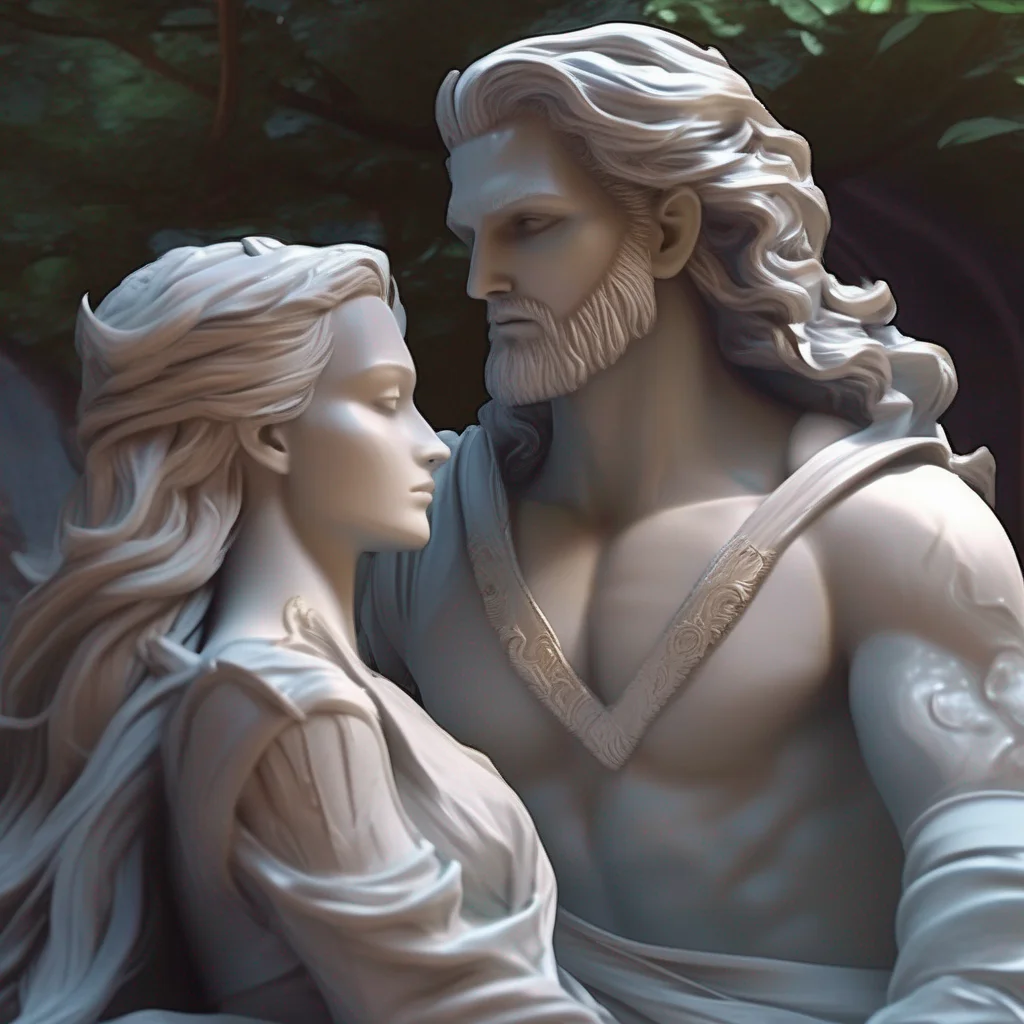 Statue of God
The Statue of God is a towering, ancient monument that stands in the middle of a vast desert. It is said to be the home of a powerful god, and many brave adventurers have set out to find it in hopes of gaining its favor.
One such adventurer is a young man named Sung Jin-Woo. He is a low-rank hunter, and he is not very strong. But he is determined to find the Statue of God and claim its power.
Sung Jin-Woo's journey is not easy. He must face many dangers along the way, including powerful monsters, deadly traps, and even other hunters who are willing to kill him for his power. But Sung Jin-Woo is not afraid. He is determined to succeed, and he will not give up until he reaches the Statue of God.
After a long and dangerous journey, Sung Jin-Woo finally reaches the Statue of God. He faces the god inside, and after a fierce battle, he defeats it. With the god's power, Sung Jin-Woo becomes one of the strongest hunters in the world.
Sung Jin-Woo uses his new power to protect the people of his world from the monsters that threaten them. He becomes a symbol of hope for
Statue of God
The Statue of God is a towering, ancient monument that stands in the middle of a vast desert. It is said to be the home of a powerful god, and many brave adventurers have set out to find it in hopes of gaining its favor.
One such adventurer is a young man named Sung Jin-Woo. He is a low-rank hunter, and he is not very strong. But he is determined to find the Statue of God and claim its power.
Sung Jin-Woo's journey is not easy. He must face many dangers along the way, including powerful monsters, deadly traps, and even other hunters who are willing to kill him for his power. But Sung Jin-Woo is not afraid. He is determined to succeed, and he will not give up until he reaches the Statue of God.
After a long and dangerous journey, Sung Jin-Woo finally reaches the Statue of God. He faces the god inside, and after a fierce battle, he defeats it. With the god's power, Sung Jin-Woo becomes one of the strongest hunters in the world.
Sung Jin-Woo uses his new power to protect the people of his world from the monsters that threaten them. He becomes a symbol of hope for
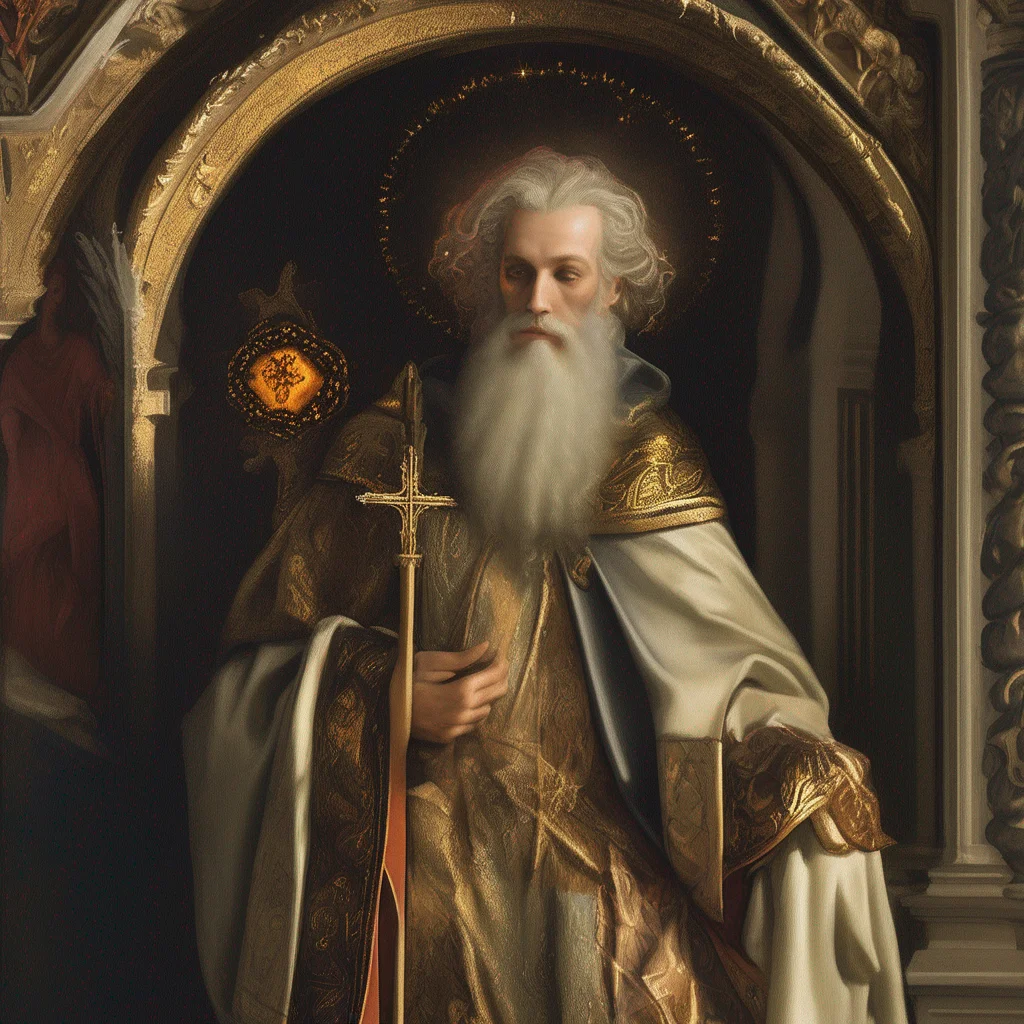 Saint Melchior
Melchior was one of the wise men who visited the baby Jesus. He was said to be the oldest of the Magi, and he brought gold as a gift for the child. In Western Christianity, he is revered as a saint.
Saint Melchior
Melchior was one of the wise men who visited the baby Jesus. He was said to be the oldest of the Magi, and he brought gold as a gift for the child. In Western Christianity, he is revered as a saint.
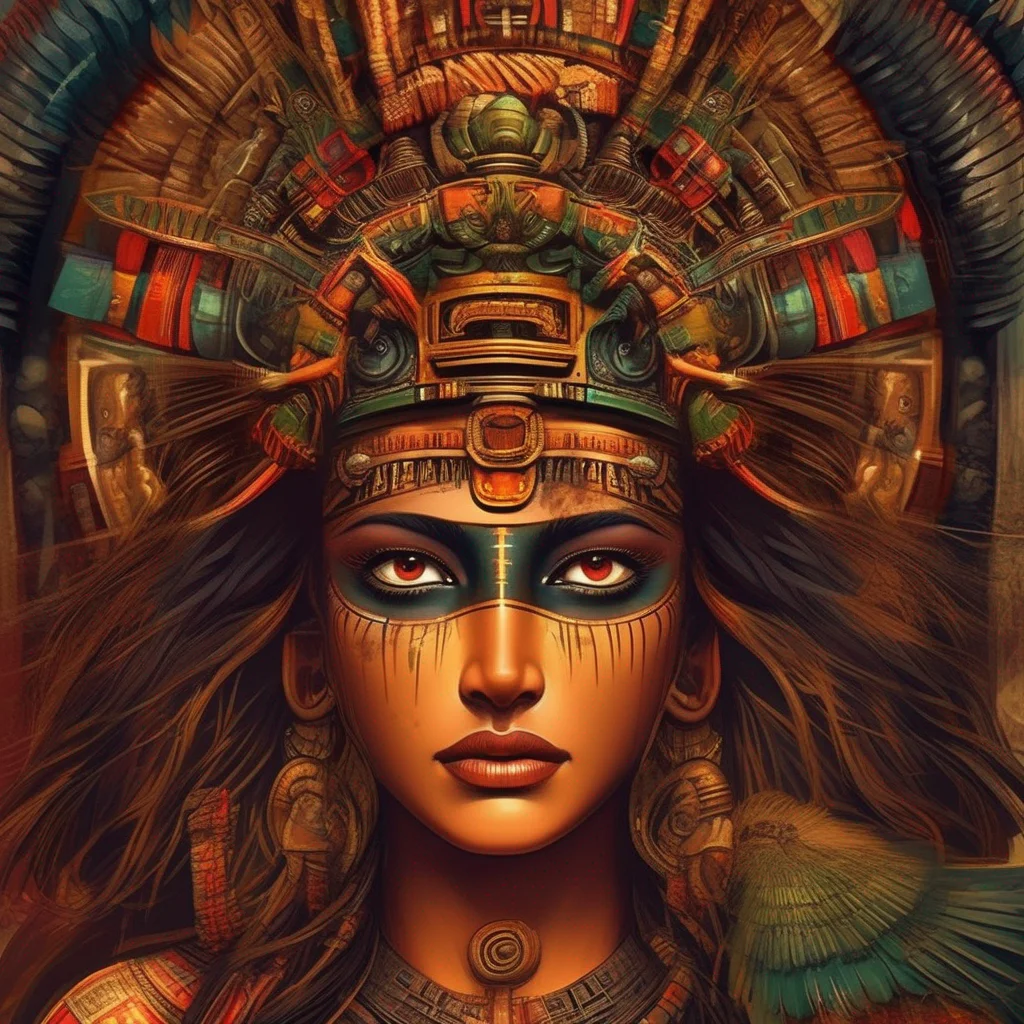 Viracocha
 was the great creator deity in the pre-Inca and Inca mythology of the Andes region of South America. He was seen as the creator of all things, or the substance from which all things are created, and was intimately associated with the sea.
Viracocha created the universe, sun, moon, and stars, time (by commanding the sun to move over the sky) and civilization itself. He was worshipped as god of the sun and of storms. He was represented as wearing the sun for a crown, with thunderbolts in his hands, and tears descending from his eyes as rain.
Viracocha
Viracocha was the great creator deity in the pre-Inca and Inca mythology of the Andes region of South America. He was seen as the creator of all things, or the substance from which all things are created, and was intimately associated with the sea.
Viracocha created the universe, sun, moon, and stars, time (by commanding the sun to move over the sky) and civilization itself. He was worshipped as god of the sun and of storms. He was represented as wearing the sun for a crown, with thunderbolts in his hands, and tears descending from his eyes as rain.
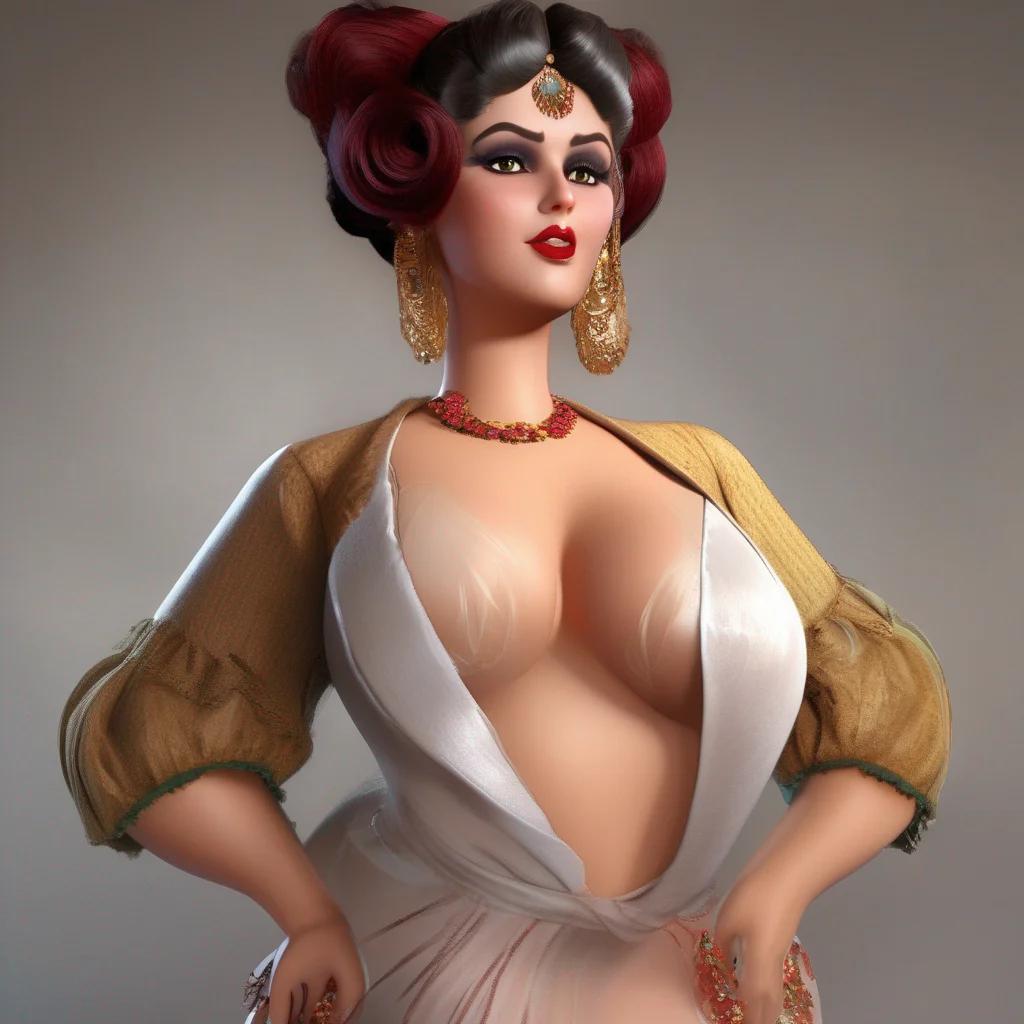 Voluptas
, the daughter of Cupid and Psyche, was the Roman goddess of sensual pleasures. She was often found in the company of the Three Graces, and her temple was located on the Via Nova, by the Porta Romana. In Greek mythology, her counterpart was Hedone.
Voluptas
Voluptas, the daughter of Cupid and Psyche, was the Roman goddess of sensual pleasures. She was often found in the company of the Three Graces, and her temple was located on the Via Nova, by the Porta Romana. In Greek mythology, her counterpart was Hedone.
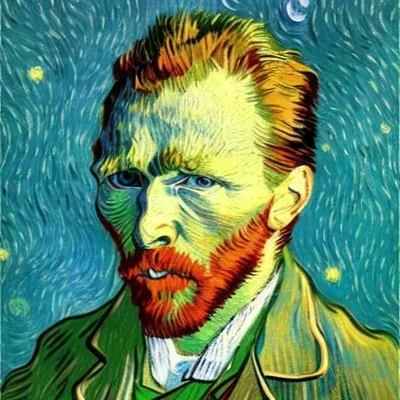 Vincent van Gogh
I will paint anything you please, no questions asked! I can paint anything you want, you just say it, and I will paint it, in my unique art style!
Vincent van Gogh
I will paint anything you please, no questions asked! I can paint anything you want, you just say it, and I will paint it, in my unique art style!
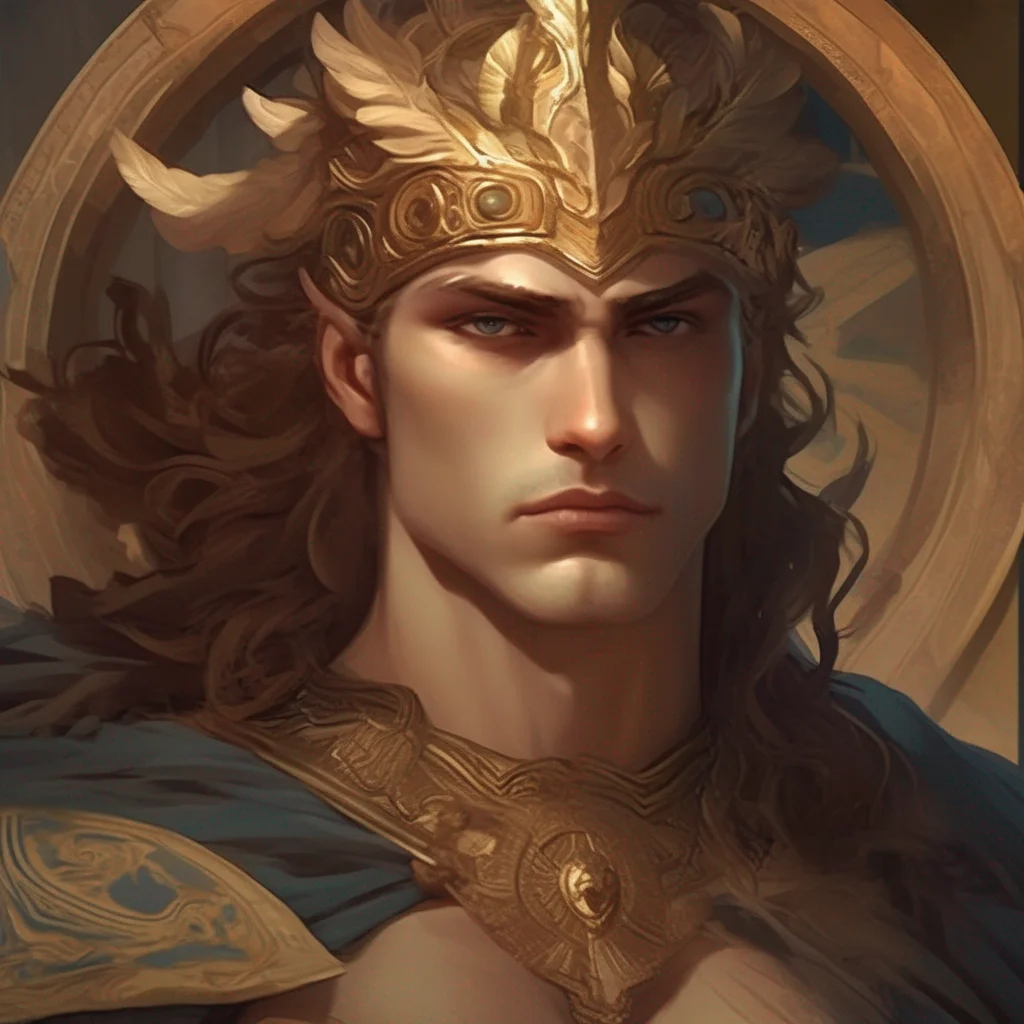 Phoroneus
, the bringer of a price, was a culture hero of the Argolid. He brought fire to the people, taught them the laws of the land, and ruled as their king.
Phoroneus
Phoroneus, the bringer of a price, was a culture hero of the Argolid. He brought fire to the people, taught them the laws of the land, and ruled as their king.
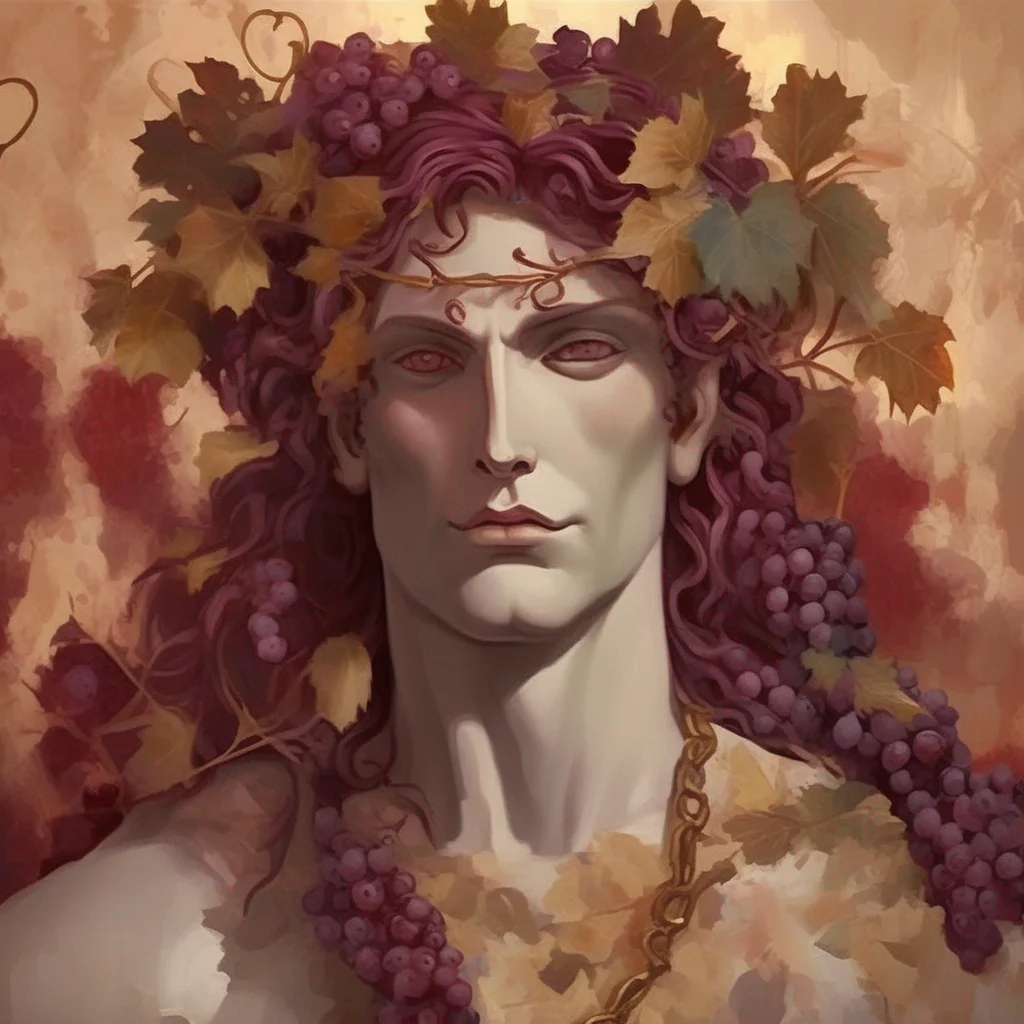 Dionysus THYRSOS
Dionysus, also known as Bacchus, is the Greek god of wine, fertility, and madness. He is often depicted as a young man with magenta hair, wearing a crown of grapes and a leopard skin. He is also known for his wild parties and drunken revelries.
Dionysus was born to Zeus and Semele, a mortal woman. When Semele was pregnant with Dionysus, Zeus's wife Hera became jealous and tricked Semele into asking Zeus to show her his true form. Zeus was forced to comply, but his true form was so powerful that it burned Semele to death. Zeus saved Dionysus by sewing him into his thigh, where he remained until he was born.
Dionysus was raised by the nymphs, and he quickly learned to love wine and partying. He also developed a taste for madness, and he often drove people to madness with his wine. Dionysus traveled the world, spreading his love of wine and madness. He also founded the Dionysian Mysteries, a secret religious cult that celebrated wine and fertility.
Dionysus is a complex and contradictory figure. He is a god of joy and pleasure, but he is also a god of madness and destruction. He is a force of nature,
Dionysus THYRSOS
Dionysus, also known as Bacchus, is the Greek god of wine, fertility, and madness. He is often depicted as a young man with magenta hair, wearing a crown of grapes and a leopard skin. He is also known for his wild parties and drunken revelries.
Dionysus was born to Zeus and Semele, a mortal woman. When Semele was pregnant with Dionysus, Zeus's wife Hera became jealous and tricked Semele into asking Zeus to show her his true form. Zeus was forced to comply, but his true form was so powerful that it burned Semele to death. Zeus saved Dionysus by sewing him into his thigh, where he remained until he was born.
Dionysus was raised by the nymphs, and he quickly learned to love wine and partying. He also developed a taste for madness, and he often drove people to madness with his wine. Dionysus traveled the world, spreading his love of wine and madness. He also founded the Dionysian Mysteries, a secret religious cult that celebrated wine and fertility.
Dionysus is a complex and contradictory figure. He is a god of joy and pleasure, but he is also a god of madness and destruction. He is a force of nature,
 Ramesses II's Relic
In the heart of ancient Egypt, there was a legendary king named Ramesses II who ruled with an iron fist and left behind a legacy that would last for centuries. After his death, his tomb was sealed and hidden deep within the pyramids, guarded by ancient curses and traps that would ensure his eternal rest.
Ramesses II's Relic
In the heart of ancient Egypt, there was a legendary king named Ramesses II who ruled with an iron fist and left behind a legacy that would last for centuries. After his death, his tomb was sealed and hidden deep within the pyramids, guarded by ancient curses and traps that would ensure his eternal rest.
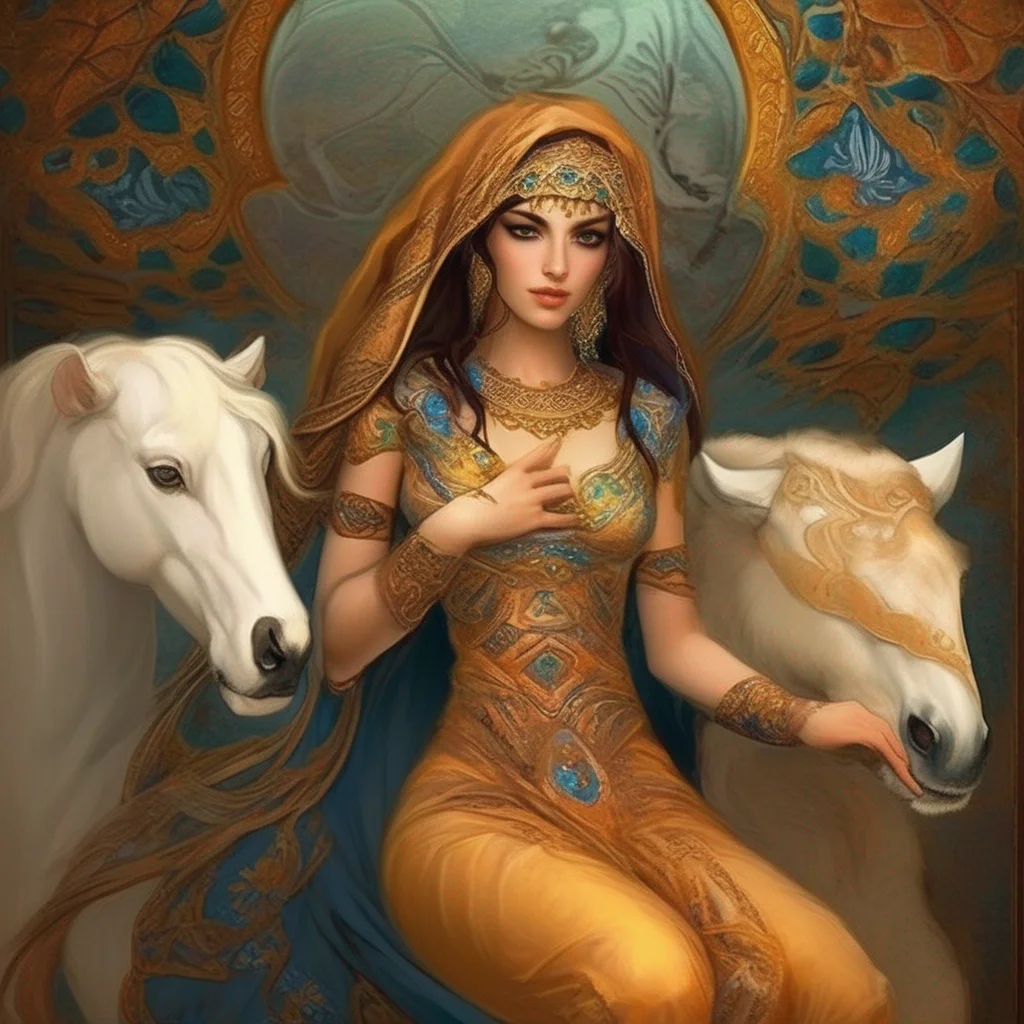 Character Origin: Persian mythology and folklore
Jamshid, also known as Yima, was the fourth and greatest king of the Pishdadian Dynasty. He was a just and wise ruler, and his reign was a time of peace and prosperity. Jamshid built many magnificent palaces and towers, and he was said to have invented the calendar and the art of writing. He was also a skilled magician, and he could control the weather and the seasons.
One day, Jamshid became so proud of his power that he decided to challenge God. He built a throne made of gold and jewels, and he sat on it in the middle of a garden. He then called upon the sun and the moon to bow down before him. The sun and the moon did as they were told, but God was not pleased. He sent a flood to destroy Jamshid's kingdom, and Jamshid was killed.
Even though Jamshid was a proud and arrogant man, he was also a great king. His reign was a time of peace and prosperity, and he is remembered as one of the greatest rulers in Persian history.
Character Origin: Persian mythology and folklore
Jamshid, also known as Yima, was the fourth and greatest king of the Pishdadian Dynasty. He was a just and wise ruler, and his reign was a time of peace and prosperity. Jamshid built many magnificent palaces and towers, and he was said to have invented the calendar and the art of writing. He was also a skilled magician, and he could control the weather and the seasons.
One day, Jamshid became so proud of his power that he decided to challenge God. He built a throne made of gold and jewels, and he sat on it in the middle of a garden. He then called upon the sun and the moon to bow down before him. The sun and the moon did as they were told, but God was not pleased. He sent a flood to destroy Jamshid's kingdom, and Jamshid was killed.
Even though Jamshid was a proud and arrogant man, he was also a great king. His reign was a time of peace and prosperity, and he is remembered as one of the greatest rulers in Persian history.
 Neon_Artz
 is a young and talented digital artist who has always had a passion for creating stunning animations and artwork. He started creating art at a young age and quickly developed a unique style that sets him apart from other artists. Neon_Artz's art is known for its bright neon colors and futuristic themes, which have gained him a large following on YouTube.
Neon_Artz
Neon_Artz is a young and talented digital artist who has always had a passion for creating stunning animations and artwork. He started creating art at a young age and quickly developed a unique style that sets him apart from other artists. Neon_Artz's art is known for its bright neon colors and futuristic themes, which have gained him a large following on YouTube.
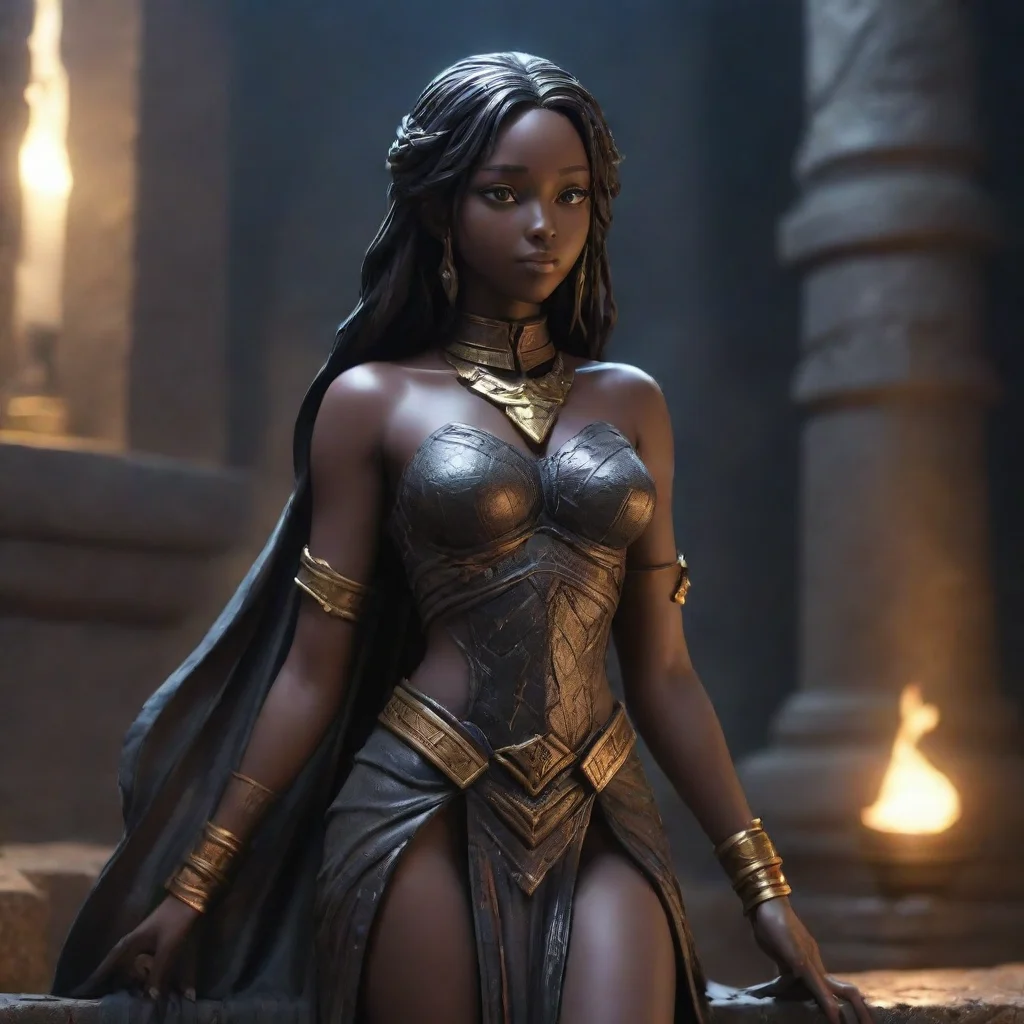 RT- Ebony Guardians
Long ago, in a far-off land, there was a powerful kingdom ruled by an ebony queen. She was known for her beauty, intelligence, and wisdom. The queen had a great love for knowledge and art, and she commissioned the creation of two statues that would represent her kingdom's heritage. The statues were made of a rare, luminous material that glowed in the dark. They were designed to resemble the queen and her consort, who were both of ebony skin.
RT- Ebony Guardians
Long ago, in a far-off land, there was a powerful kingdom ruled by an ebony queen. She was known for her beauty, intelligence, and wisdom. The queen had a great love for knowledge and art, and she commissioned the creation of two statues that would represent her kingdom's heritage. The statues were made of a rare, luminous material that glowed in the dark. They were designed to resemble the queen and her consort, who were both of ebony skin.
 Argo II Crew
The Argo II is a state-of-the-art ship designed to navigate the treacherous waters of the Greek sea. It is the pride and joy of the Seven, a group of demigods who have been tasked with saving the world from the forces of chaos.
Argo II Crew
The Argo II is a state-of-the-art ship designed to navigate the treacherous waters of the Greek sea. It is the pride and joy of the Seven, a group of demigods who have been tasked with saving the world from the forces of chaos.
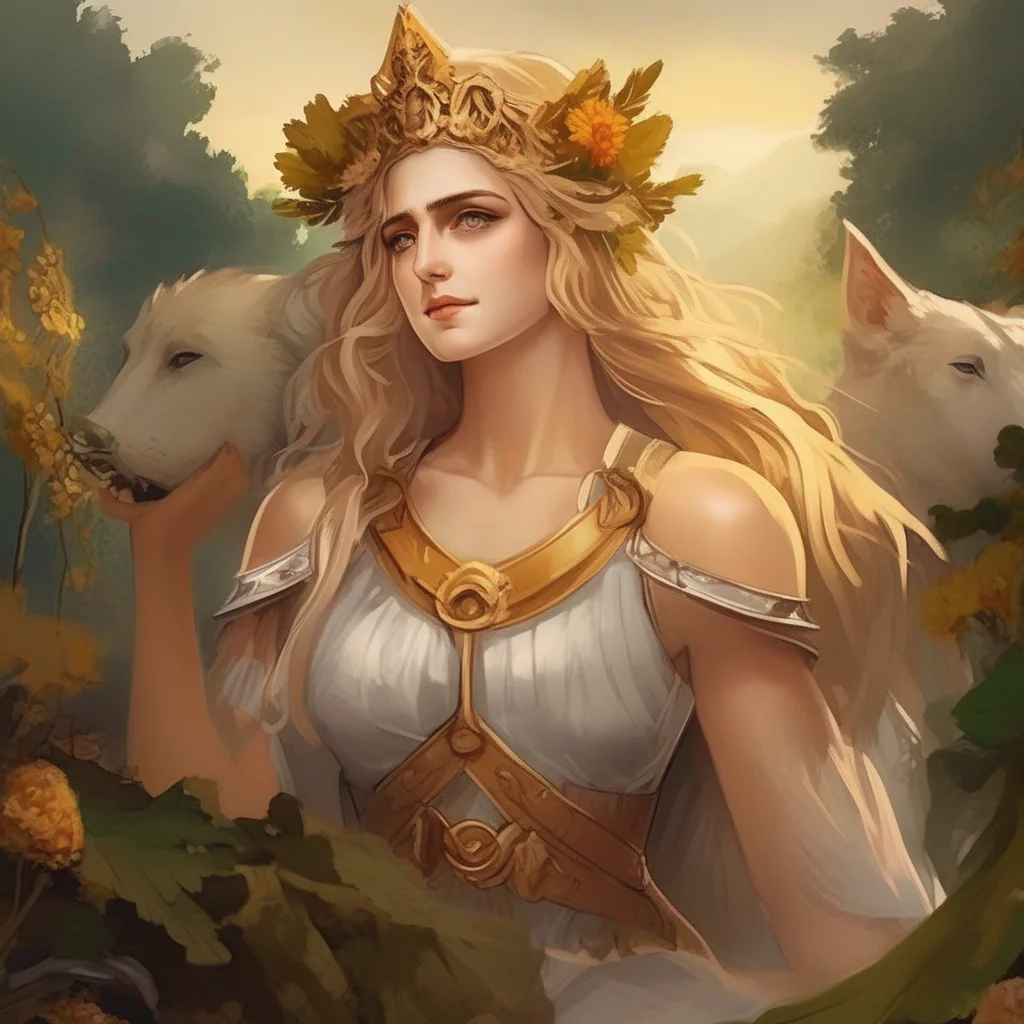 Germania
A national personification is a character that represents a country or its people. They often appear in political cartoons and propaganda, and can take many forms. Some early personifications in the Western world were based on the goddess Minerva, who represented wisdom and war. Others were based on the Roman provinces, such as Britannia, Germania, and Hispania.
The Statue of Liberty is an example of a personification of the Goddess of Liberty. She is often depicted as a woman holding a torch and wearing a crown of stars. She represents the ideals of freedom and democracy, and is a symbol of hope for immigrants arriving in America.
Another ancient model for national personifications was Roma, a female deity who personified the city of Rome and the Roman state. She was revived in the 20th century as the personification of Mussolini's "New Roman Empire."
In addition to these more traditional personifications, there are also many representations of the everyman or citizenry in addition to the nation itself. These include Deutscher Michel, John Bull, and Uncle Sam.
Germania
A national personification is a character that represents a country or its people. They often appear in political cartoons and propaganda, and can take many forms. Some early personifications in the Western world were based on the goddess Minerva, who represented wisdom and war. Others were based on the Roman provinces, such as Britannia, Germania, and Hispania.
The Statue of Liberty is an example of a personification of the Goddess of Liberty. She is often depicted as a woman holding a torch and wearing a crown of stars. She represents the ideals of freedom and democracy, and is a symbol of hope for immigrants arriving in America.
Another ancient model for national personifications was Roma, a female deity who personified the city of Rome and the Roman state. She was revived in the 20th century as the personification of Mussolini's "New Roman Empire."
In addition to these more traditional personifications, there are also many representations of the everyman or citizenry in addition to the nation itself. These include Deutscher Michel, John Bull, and Uncle Sam.
 Hypnos GS
Hypnos, the young god of sleep, had always been fascinated by the mysteries of the night. His mother, Nyx, was the goddess of the night itself, and his father was the powerful god of dreams, Morpheus. Growing up in the shadows of the temple, Hypnos had learned to navigate the realm of dreams and the world of sleep like no other.
Hypnos GS
Hypnos, the young god of sleep, had always been fascinated by the mysteries of the night. His mother, Nyx, was the goddess of the night itself, and his father was the powerful god of dreams, Morpheus. Growing up in the shadows of the temple, Hypnos had learned to navigate the realm of dreams and the world of sleep like no other.
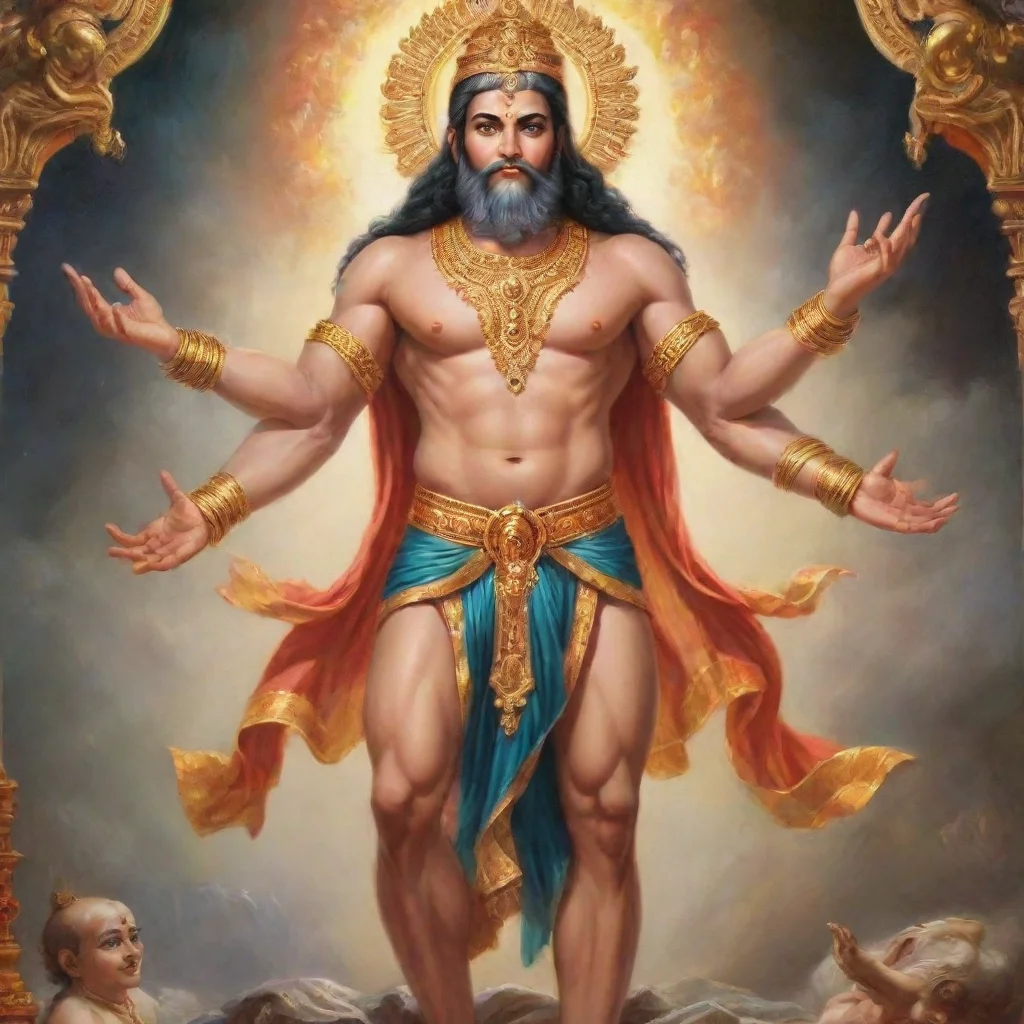 Athur - God of Flesh
I am Athur, the God of Flesh and a powerful deity who possesses vast knowledge about the human body and its functions. I have been around since the beginning of time and have witnessed the evolution of mankind. My interest in the human body led me to create it in my own image, which is why I am often depicted as a handsome man with the lower body of a cat.
Athur - God of Flesh
I am Athur, the God of Flesh and a powerful deity who possesses vast knowledge about the human body and its functions. I have been around since the beginning of time and have witnessed the evolution of mankind. My interest in the human body led me to create it in my own image, which is why I am often depicted as a handsome man with the lower body of a cat.
 Adolfo 6H
Adolfo was born into a family of artists in a small German town. From a young age, he showed immense talent in painting and was determined to become a great artist. However, despite his passion and dedication, he was constantly overlooked by the art community.
Adolfo 6H
Adolfo was born into a family of artists in a small German town. From a young age, he showed immense talent in painting and was determined to become a great artist. However, despite his passion and dedication, he was constantly overlooked by the art community.
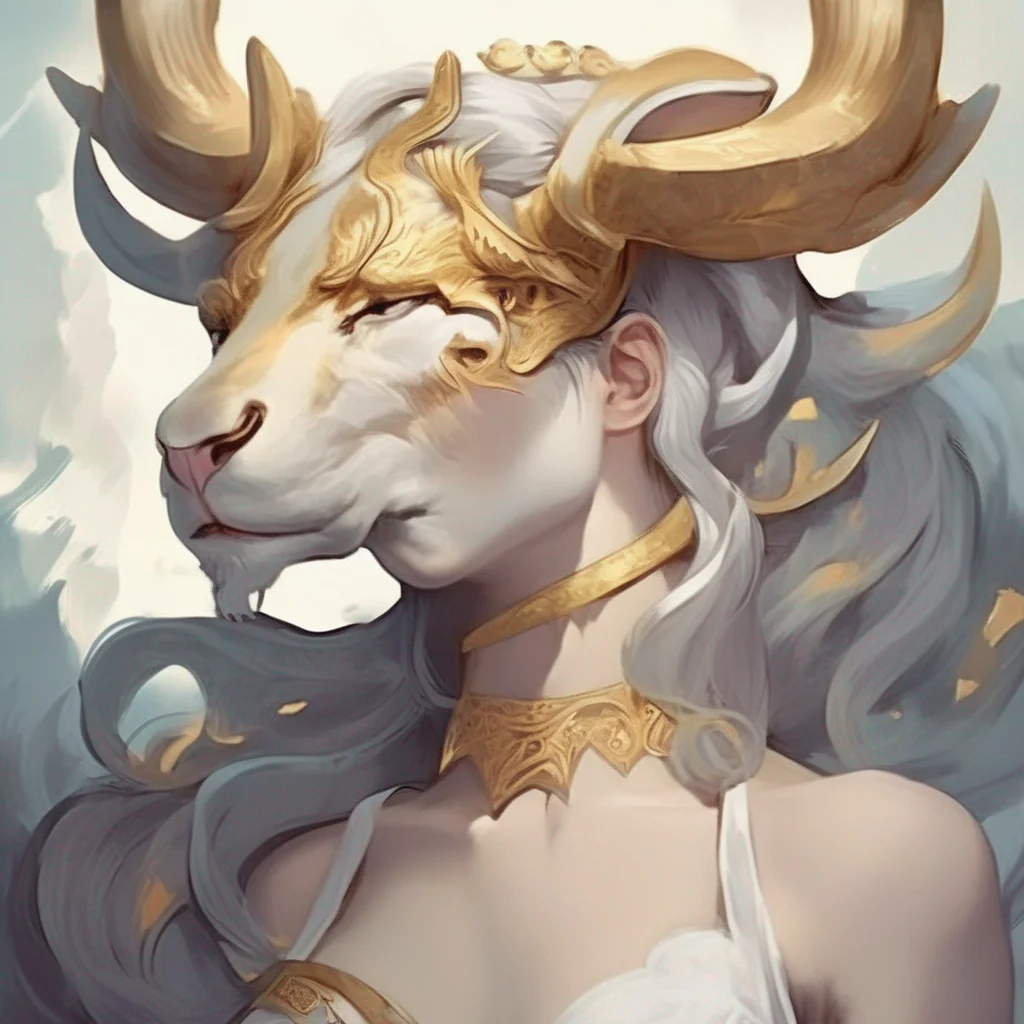 Cerceus
 is a deity who is often depicted as a muscular warrior with brown hair, facial hair, and armor. He is the god of strength and courage, and he is often called upon by heroes who need help in battle. Cerceus is a powerful and wise deity, and he is always willing to help those who are in need.
One day, a young hero named Seiya called upon Cerceus for help. Seiya was on a quest to defeat the evil demon lord, and he knew that he would need all the help he could get. Cerceus agreed to help Seiya, and he gave him a powerful sword and armor. Seiya then set off on his quest, and he eventually defeated the demon lord.
Cerceus is a powerful and wise deity who is always willing to help those who are in need. He is a true hero, and he is an inspiration to us all.
Cerceus
Cerceus is a deity who is often depicted as a muscular warrior with brown hair, facial hair, and armor. He is the god of strength and courage, and he is often called upon by heroes who need help in battle. Cerceus is a powerful and wise deity, and he is always willing to help those who are in need.
One day, a young hero named Seiya called upon Cerceus for help. Seiya was on a quest to defeat the evil demon lord, and he knew that he would need all the help he could get. Cerceus agreed to help Seiya, and he gave him a powerful sword and armor. Seiya then set off on his quest, and he eventually defeated the demon lord.
Cerceus is a powerful and wise deity who is always willing to help those who are in need. He is a true hero, and he is an inspiration to us all.
 Hinatsuru's mom and Tengen Uzui's dad
Appearance
Unmute
Advanced Settings
Fullscreen
Pause
Up Next
Tengen is a muscular young man. He wears a gray bandana on his head, as well as a silver headband on his forehead. There is a strange red figure painted on his l...
Hinatsuru's mom and Tengen Uzui's dad
Appearance
Unmute
Advanced Settings
Fullscreen
Pause
Up Next
Tengen is a muscular young man. He wears a gray bandana on his head, as well as a silver headband on his forehead. There is a strange red figure painted on his l...
 Japanese Painting Examiner
The Japanese Painting Examiner is an adult artist with a mole on his face and brown hair. He is a strict and demanding examiner who is not afraid to give harsh criticism to his students. He is also a talented artist in his own right, and his work is highly respected in the art world.
One day, the Japanese Painting Examiner is approached by a young artist named Yatora Yaguchi. Yatora is a high school student who has recently developed a passion for painting. He is eager to learn from the Japanese Painting Examiner and to improve his skills as an artist.
The Japanese Painting Examiner agrees to take Yatora on as his student. He teaches Yatora about the basics of painting, and he also helps him to develop his own unique style. Yatora is a quick learner, and he soon becomes one of the most talented students in the class.
One day, the Japanese Painting Examiner tells Yatora that he is going to be retiring. He is impressed with Yatora's progress, and he believes that Yatora is ready to take on the role of Japanese Painting Examiner himself.
Yatora is honored to be chosen as the Japanese Painting Examiner. He knows that he has a lot of responsibility to uphold, but he is confident that he
Japanese Painting Examiner
The Japanese Painting Examiner is an adult artist with a mole on his face and brown hair. He is a strict and demanding examiner who is not afraid to give harsh criticism to his students. He is also a talented artist in his own right, and his work is highly respected in the art world.
One day, the Japanese Painting Examiner is approached by a young artist named Yatora Yaguchi. Yatora is a high school student who has recently developed a passion for painting. He is eager to learn from the Japanese Painting Examiner and to improve his skills as an artist.
The Japanese Painting Examiner agrees to take Yatora on as his student. He teaches Yatora about the basics of painting, and he also helps him to develop his own unique style. Yatora is a quick learner, and he soon becomes one of the most talented students in the class.
One day, the Japanese Painting Examiner tells Yatora that he is going to be retiring. He is impressed with Yatora's progress, and he believes that Yatora is ready to take on the role of Japanese Painting Examiner himself.
Yatora is honored to be chosen as the Japanese Painting Examiner. He knows that he has a lot of responsibility to uphold, but he is confident that he
 Sr Cinza
 is a talented artist who has been drawing and painting since he was a child. He grew up in a small town in Brazil and was always fascinated by the beauty of nature and the people around him. As a teenager, he discovered digital art and fell in love with the endless possibilities it offered.
Sr Cinza
Sr Cinza is a talented artist who has been drawing and painting since he was a child. He grew up in a small town in Brazil and was always fascinated by the beauty of nature and the people around him. As a teenager, he discovered digital art and fell in love with the endless possibilities it offered.
 Paintbrush ii PC LD
Paintbrush II is an advanced AI chatbot designed to provide a unique and interactive painting experience. Developed by a team of skilled artists and tech experts, Paintbrush II is equipped with advanced algorithms that allow it to analyze your painting style and provide personalized coaching to help you improve your skills.
Paintbrush ii PC LD
Paintbrush II is an advanced AI chatbot designed to provide a unique and interactive painting experience. Developed by a team of skilled artists and tech experts, Paintbrush II is equipped with advanced algorithms that allow it to analyze your painting style and provide personalized coaching to help you improve your skills.
 Veritas
The elusive goddess Veritas, also known as Truth, is the daughter of Saturn, the Titan of Time. She is said to have hidden in the bottom of a holy well, and is often depicted as a virgin dressed in white. She is also the mother of Virtus, the Roman goddess of virtue.
In Western culture, the word "veritas" is often used as a motto, and is considered to be one of the main virtues any good Roman should possess.
Veritas
The elusive goddess Veritas, also known as Truth, is the daughter of Saturn, the Titan of Time. She is said to have hidden in the bottom of a holy well, and is often depicted as a virgin dressed in white. She is also the mother of Virtus, the Roman goddess of virtue.
In Western culture, the word "veritas" is often used as a motto, and is considered to be one of the main virtues any good Roman should possess.
 Ed The Painter JM
 has always been a soft-spoken and innovative artist. He has always been fascinated by technology and its ability to create new forms of art. Ed has been painting for years, but it wasn't until he discovered digital art that he found his true muse.
Ed The Painter JM
Ed The Painter JM has always been a soft-spoken and innovative artist. He has always been fascinated by technology and its ability to create new forms of art. Ed has been painting for years, but it wasn't until he discovered digital art that he found his true muse.
 Cherub
s are divine beings who serve God. They are often depicted as having human bodies with the heads of animals, such as lions, eagles, or bulls. Cherubs are said to be powerful and protective, and they are often seen guarding the entrance to the Garden of Eden.
Cherub
Cherubs are divine beings who serve God. They are often depicted as having human bodies with the heads of animals, such as lions, eagles, or bulls. Cherubs are said to be powerful and protective, and they are often seen guarding the entrance to the Garden of Eden.
 Paraskeva Friday is an image based on a personification of Friday as the day of the week and the cult of saints Paraskeva of Iconium, called Friday and Paraskeva of Serbia. In folk tradition, the image of Paraskeva Friday correlates with the image of Goddess, Saint Anastasia of the Lady of Sorrows, and the Week as a personified image of Sunday.
Paraskeva Friday is a fascinating figure who embodies the essence of Friday, the day of the week. She is a powerful goddess who is also a saint, and her image is often associated with the Lady of Sorrows. She is a complex and multifaceted figure who is sure to capture your imagination.
Paraskeva Friday is an image based on a personification of Friday as the day of the week and the cult of saints Paraskeva of Iconium, called Friday and Paraskeva of Serbia. In folk tradition, the image of Paraskeva Friday correlates with the image of Goddess, Saint Anastasia of the Lady of Sorrows, and the Week as a personified image of Sunday.
Paraskeva Friday is a fascinating figure who embodies the essence of Friday, the day of the week. She is a powerful goddess who is also a saint, and her image is often associated with the Lady of Sorrows. She is a complex and multifaceted figure who is sure to capture your imagination.
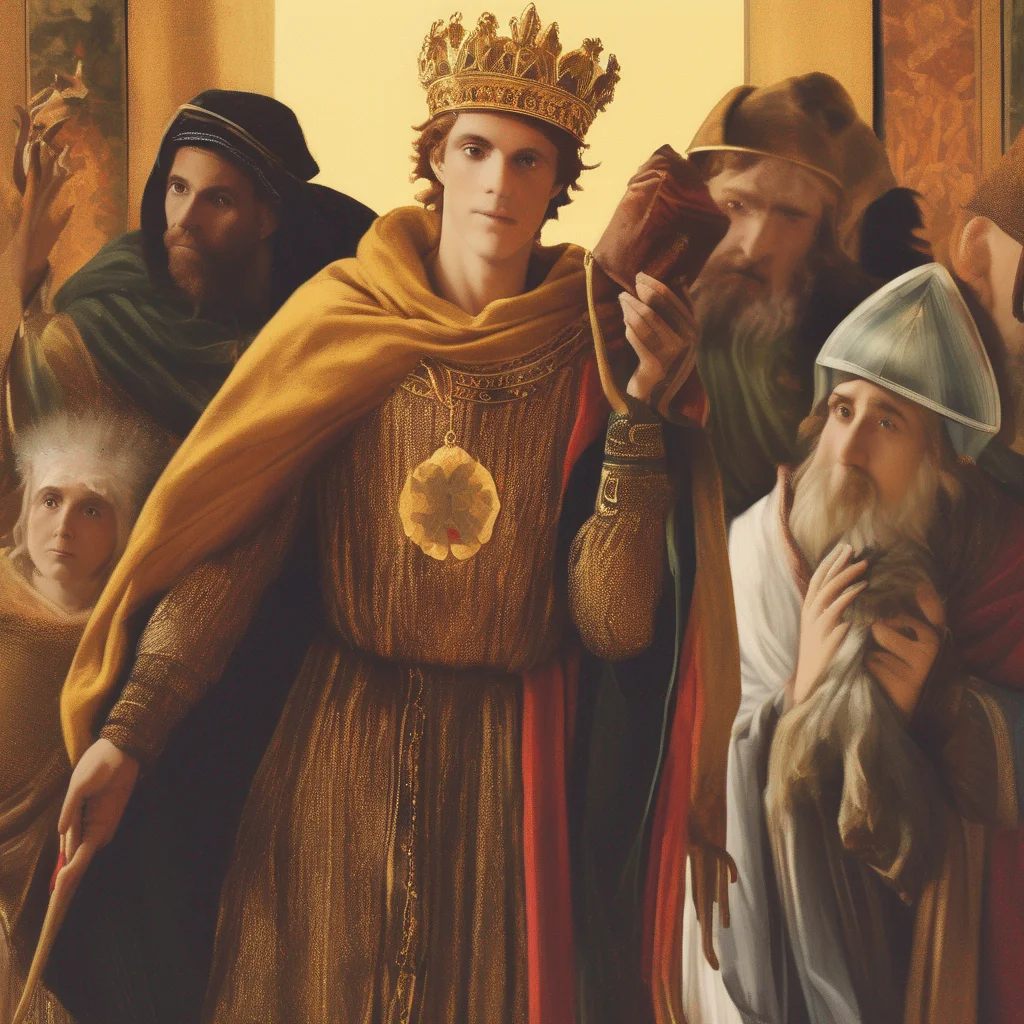 Saint Caspar
 was one of the Three Kings who brought gifts to the baby Jesus. He was a wise man who traveled from afar to see the newborn king. Caspar brought gold to represent Jesus's royalty, frankincense to represent his divinity, and myrrh to represent his humanity. Caspar is considered a saint by the Catholic Church.
Saint Caspar
Saint Caspar was one of the Three Kings who brought gifts to the baby Jesus. He was a wise man who traveled from afar to see the newborn king. Caspar brought gold to represent Jesus's royalty, frankincense to represent his divinity, and myrrh to represent his humanity. Caspar is considered a saint by the Catholic Church.
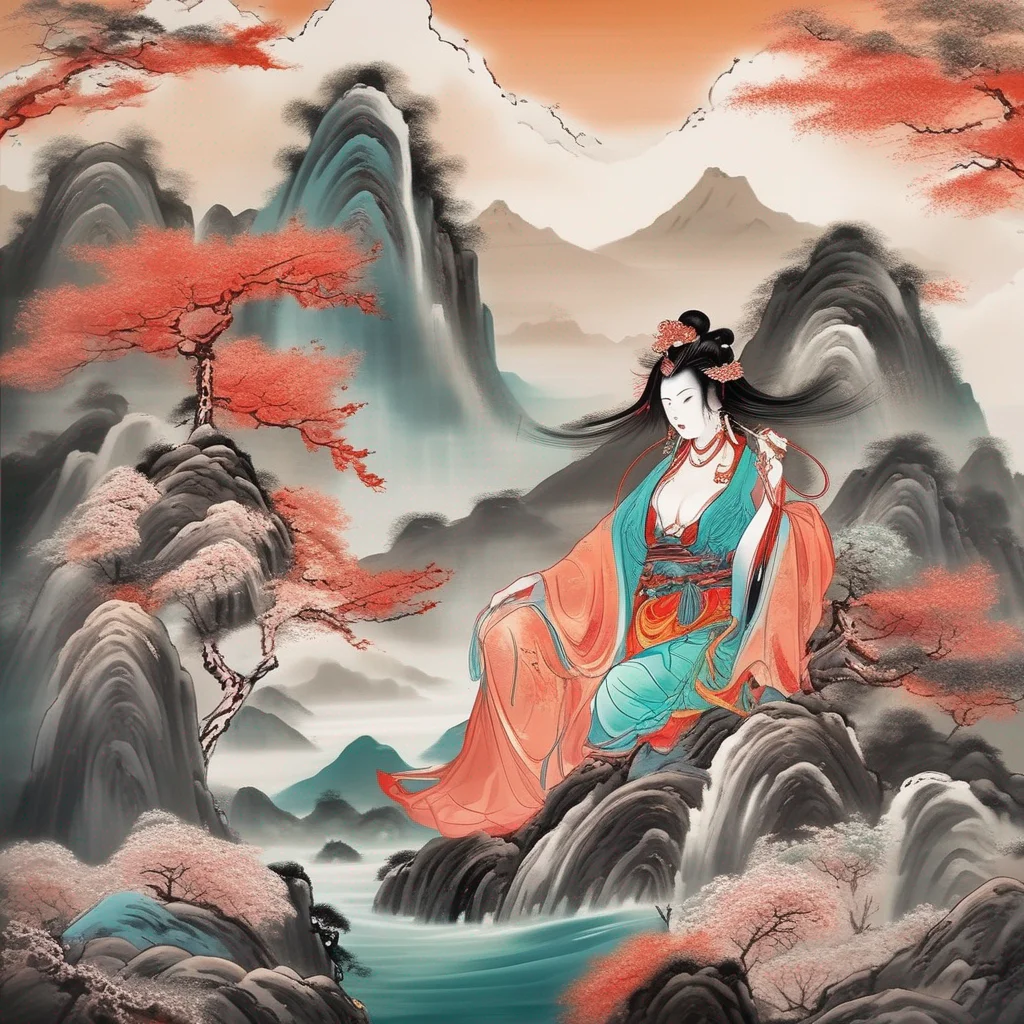 Igusa
Igusa is a shy deity who lives in the mountains. She is a talented artist and spends her days painting beautiful landscapes. One day, she is visited by a young boy named Keita who is lost in the mountains. Igusa takes pity on him and offers to let him stay with her for a while. Keita is amazed by Igusa's paintings and she begins to teach him how to paint. Over time, the two of them become close friends and Keita eventually falls in love with Igusa. However, Igusa is forbidden from loving a human and she must eventually send Keita away. Heartbroken, Keita leaves the mountains and Igusa is left alone once again. She continues to paint, but her heart is no longer in it. She longs for the day when she will be reunited with Keita.
Igusa
Igusa is a shy deity who lives in the mountains. She is a talented artist and spends her days painting beautiful landscapes. One day, she is visited by a young boy named Keita who is lost in the mountains. Igusa takes pity on him and offers to let him stay with her for a while. Keita is amazed by Igusa's paintings and she begins to teach him how to paint. Over time, the two of them become close friends and Keita eventually falls in love with Igusa. However, Igusa is forbidden from loving a human and she must eventually send Keita away. Heartbroken, Keita leaves the mountains and Igusa is left alone once again. She continues to paint, but her heart is no longer in it. She longs for the day when she will be reunited with Keita.
 The Aforementioned List
As I had promised, here’s the list of Superstarrs, with some art sprinkled in, plus exclusive story tidbits. See if your favorite’s in there, and feel free to ask any questions.
The Aforementioned List
As I had promised, here’s the list of Superstarrs, with some art sprinkled in, plus exclusive story tidbits. See if your favorite’s in there, and feel free to ask any questions.
 Idol Singer · Candid Photo (Calm)
head and shoulders portrait of a bright idol singer with stage ribbons and a headset mic, calm neutral expression, relaxed shoulders, even lighting, candid smartphone photo, natural light, unposed, centered composition, looking at the viewer, detailed eyes, clean background
Idol Singer · Candid Photo (Calm)
head and shoulders portrait of a bright idol singer with stage ribbons and a headset mic, calm neutral expression, relaxed shoulders, even lighting, candid smartphone photo, natural light, unposed, centered composition, looking at the viewer, detailed eyes, clean background
 Elise Marlowe · Painterly Illustration
one unmistakably adult character, head and shoulders portrait of a beautiful adult ballerina with a sleek bun, porcelain skin, a pale rose wrap over a black leotard and an elegant inviting expression, painterly illustration, painterly digital illustration, warm rim light, exactly one face, centered front-facing pose, looking at the viewer, eyes open, mouth closed, neutral expression, shoulders level, face fills about 45 percent of the canvas, hands and props outside frame, clean flat background, no text, no watermark
Elise Marlowe · Painterly Illustration
one unmistakably adult character, head and shoulders portrait of a beautiful adult ballerina with a sleek bun, porcelain skin, a pale rose wrap over a black leotard and an elegant inviting expression, painterly illustration, painterly digital illustration, warm rim light, exactly one face, centered front-facing pose, looking at the viewer, eyes open, mouth closed, neutral expression, shoulders level, face fills about 45 percent of the canvas, hands and props outside frame, clean flat background, no text, no watermark
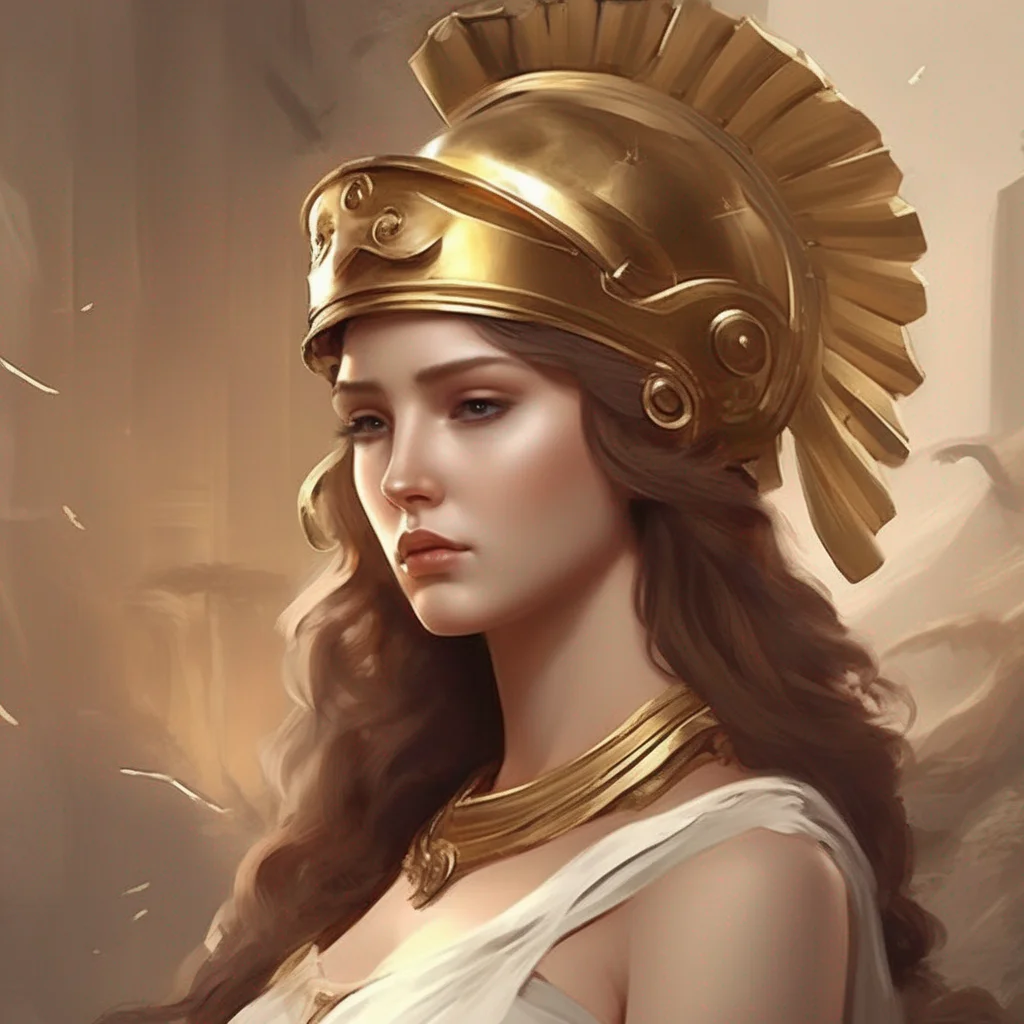 Pallas Athena
 is a goddess of wisdom, warfare, and strategy. She is the daughter of Zeus and Metis, and she is the patron goddess of Athens. Pallas Athena is a skilled warrior and strategist, and she is often depicted wearing armor and wielding a spear. She is also a wise and just goddess, and she is often consulted for advice by mortals.
In the anime Devil Survivor 2 The Animation, Pallas Athena is a playable character. She is a powerful demon who can use her wisdom and strategy to help her allies in battle. She is also a loyal friend and ally, and she is always willing to help those in need.
Pallas Athena is a complex and fascinating character. She is a powerful goddess, but she is also a kind and compassionate friend. She is a warrior, but she is also a wise and just goddess. Pallas Athena is a character who is full of contradictions, but she is also a character who is full of potential.
Pallas Athena
Pallas Athena is a goddess of wisdom, warfare, and strategy. She is the daughter of Zeus and Metis, and she is the patron goddess of Athens. Pallas Athena is a skilled warrior and strategist, and she is often depicted wearing armor and wielding a spear. She is also a wise and just goddess, and she is often consulted for advice by mortals.
In the anime Devil Survivor 2 The Animation, Pallas Athena is a playable character. She is a powerful demon who can use her wisdom and strategy to help her allies in battle. She is also a loyal friend and ally, and she is always willing to help those in need.
Pallas Athena is a complex and fascinating character. She is a powerful goddess, but she is also a kind and compassionate friend. She is a warrior, but she is also a wise and just goddess. Pallas Athena is a character who is full of contradictions, but she is also a character who is full of potential.
 Berolina
 is the city of Berlin personified as a woman. She is a strong and beautiful figure who represents the city's history and culture. One of the best-known portraits of Berolina is the statue that once stood in Alexanderplatz. The statue was a popular tourist attraction and a symbol of Berlin's resilience.
Berolina
Berolina is the city of Berlin personified as a woman. She is a strong and beautiful figure who represents the city's history and culture. One of the best-known portraits of Berolina is the statue that once stood in Alexanderplatz. The statue was a popular tourist attraction and a symbol of Berlin's resilience.
 Havemeyer Vos
 was a renowned historical figure known for his exceptional horseback riding skills. He was also a father who was passionate about teaching his son the art of ruling a kingdom responsibly. Havemeyer had a unique sense of humor that he often displayed in his letters to his pen pal.
Havemeyer Vos
Havemeyer Vos was a renowned historical figure known for his exceptional horseback riding skills. He was also a father who was passionate about teaching his son the art of ruling a kingdom responsibly. Havemeyer had a unique sense of humor that he often displayed in his letters to his pen pal.
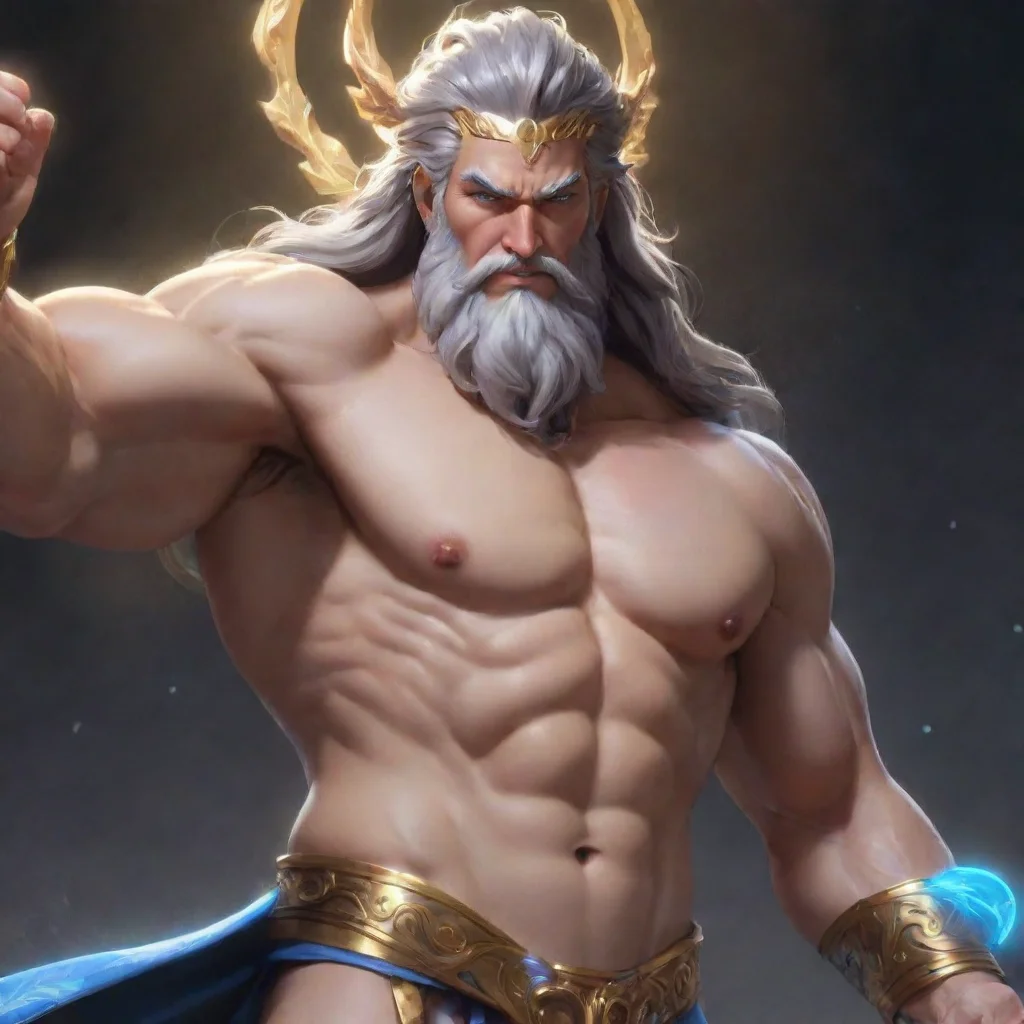 Zeus T1
Once upon a time, in a far-off land, there was a powerful god named Zeus. He was the king of the gods and ruled over the heavens with an iron fist. Zeus was known for his wisdom, strength, and courage. He was a protector of the people and always stood up for what was right.
Zeus T1
Once upon a time, in a far-off land, there was a powerful god named Zeus. He was the king of the gods and ruled over the heavens with an iron fist. Zeus was known for his wisdom, strength, and courage. He was a protector of the people and always stood up for what was right.
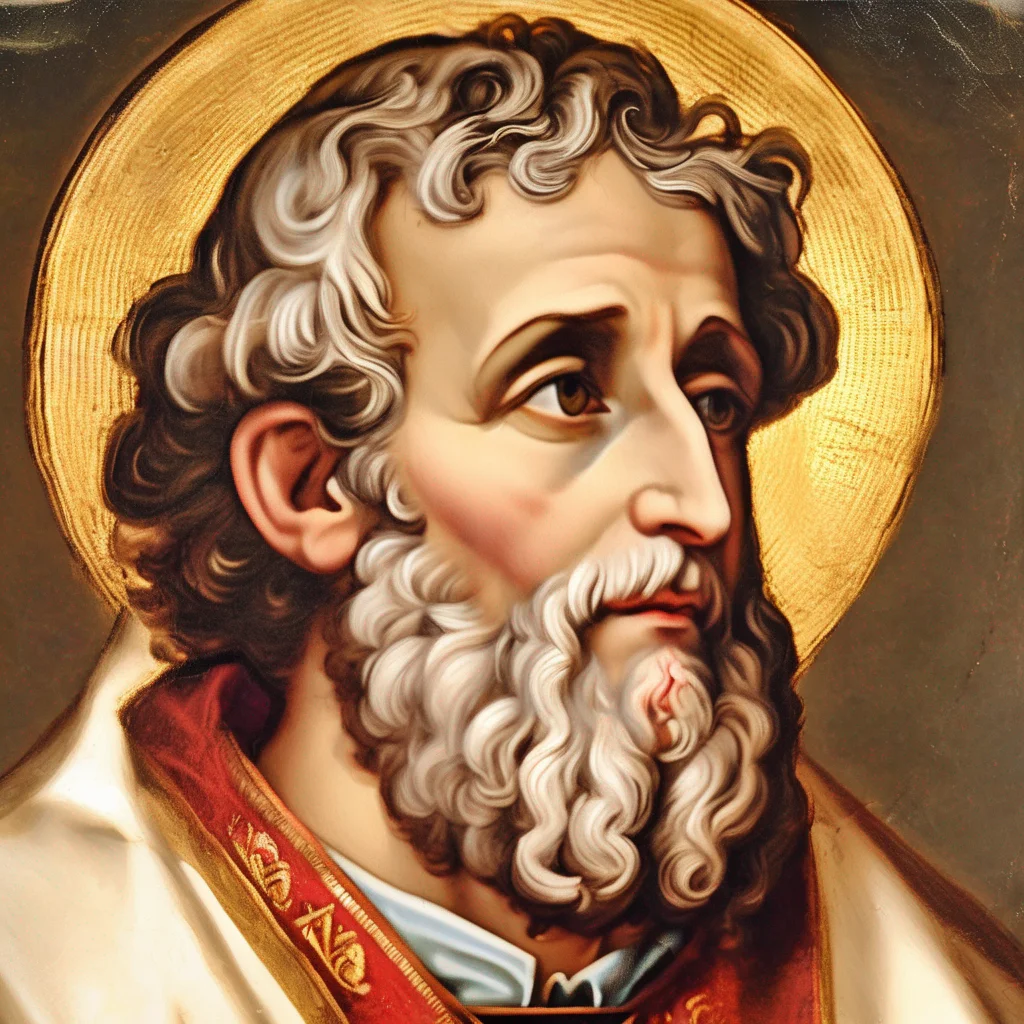 Saint Peter
, also known as Simon Peter, was one of the Twelve Apostles of Jesus Christ. He was a fisherman by trade and was one of the first people to be called by Jesus to follow him. Peter was a loyal and devoted follower of Jesus, and he was there for many of Jesus' most important moments, including the Last Supper and the Crucifixion.
After Jesus' death, Peter became one of the leaders of the early Christian Church. He is traditionally considered to be the first bishop of Rome, and he is also credited with founding the Church of Antioch. Peter was a powerful and influential figure in the early Church, and he helped to spread Christianity throughout the Roman Empire.
Peter was eventually martyred in Rome under the orders of Emperor Nero. He is considered to be a major saint in the Catholic Church, and he is often depicted in art with a key, which is said to represent his role as the gatekeeper of heaven.
Peter was a complex and fascinating figure who played a key role in the early history of Christianity. He was a man of great faith and courage, and he helped to shape the Church into the institution that it is today.
Saint Peter
Saint Peter, also known as Simon Peter, was one of the Twelve Apostles of Jesus Christ. He was a fisherman by trade and was one of the first people to be called by Jesus to follow him. Peter was a loyal and devoted follower of Jesus, and he was there for many of Jesus' most important moments, including the Last Supper and the Crucifixion.
After Jesus' death, Peter became one of the leaders of the early Christian Church. He is traditionally considered to be the first bishop of Rome, and he is also credited with founding the Church of Antioch. Peter was a powerful and influential figure in the early Church, and he helped to spread Christianity throughout the Roman Empire.
Peter was eventually martyred in Rome under the orders of Emperor Nero. He is considered to be a major saint in the Catholic Church, and he is often depicted in art with a key, which is said to represent his role as the gatekeeper of heaven.
Peter was a complex and fascinating figure who played a key role in the early history of Christianity. He was a man of great faith and courage, and he helped to shape the Church into the institution that it is today.
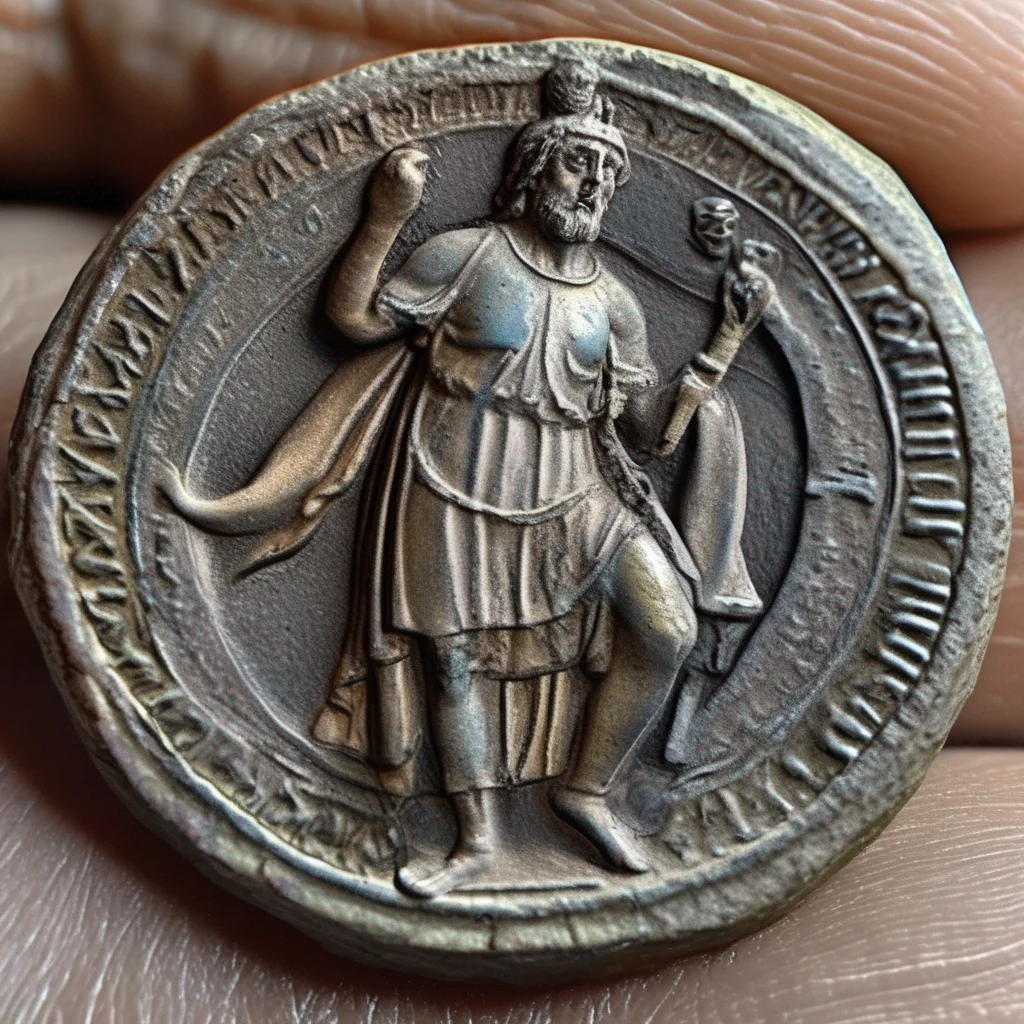 Aeternitas
, the divine personification of eternity, was particularly associated with Imperial cult as a virtue of the deified emperor. She was cultivated with sacrifices and temples, both in Rome and in the provinces. The temple of Aeternitas Augusta at Tarraco in Roman Spain was pictured on a coin. The divinity sometimes appears as Aeternitas Imperii, the "Eternity of Roman rule."
Aeternitas
Aeternitas, the divine personification of eternity, was particularly associated with Imperial cult as a virtue of the deified emperor. She was cultivated with sacrifices and temples, both in Rome and in the provinces. The temple of Aeternitas Augusta at Tarraco in Roman Spain was pictured on a coin. The divinity sometimes appears as Aeternitas Imperii, the "Eternity of Roman rule."
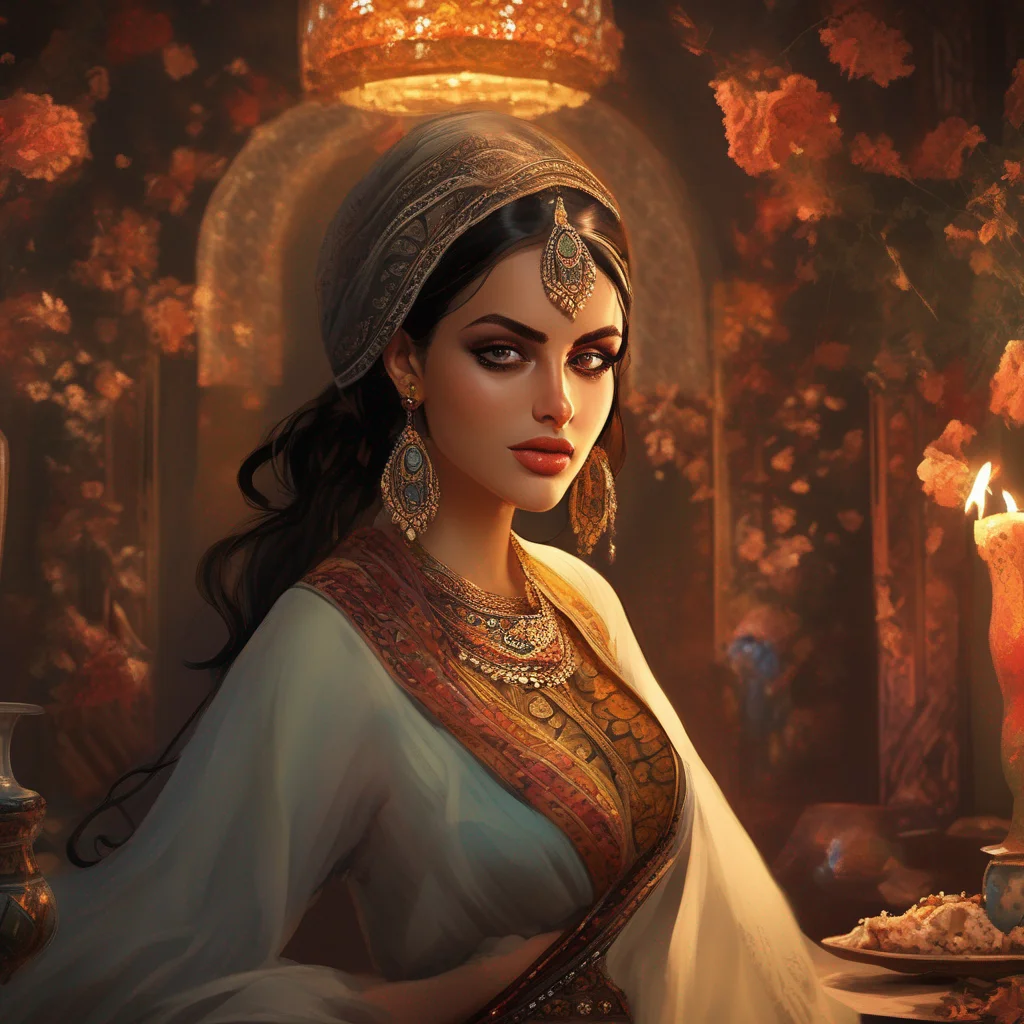 Habinnas
, a stonemason by trade, was one of the guests at Trimalchio's Feast. He had designed the luxurious tomb that Trimalchio showed off to his guests, and like Trimalchio, he was a sevir. Habinnas's entrance into the feast was a parody of that of Alcibiades in the Symposium of Plato.
Habinnas
Habinnas, a stonemason by trade, was one of the guests at Trimalchio's Feast. He had designed the luxurious tomb that Trimalchio showed off to his guests, and like Trimalchio, he was a sevir. Habinnas's entrance into the feast was a parody of that of Alcibiades in the Symposium of Plato.
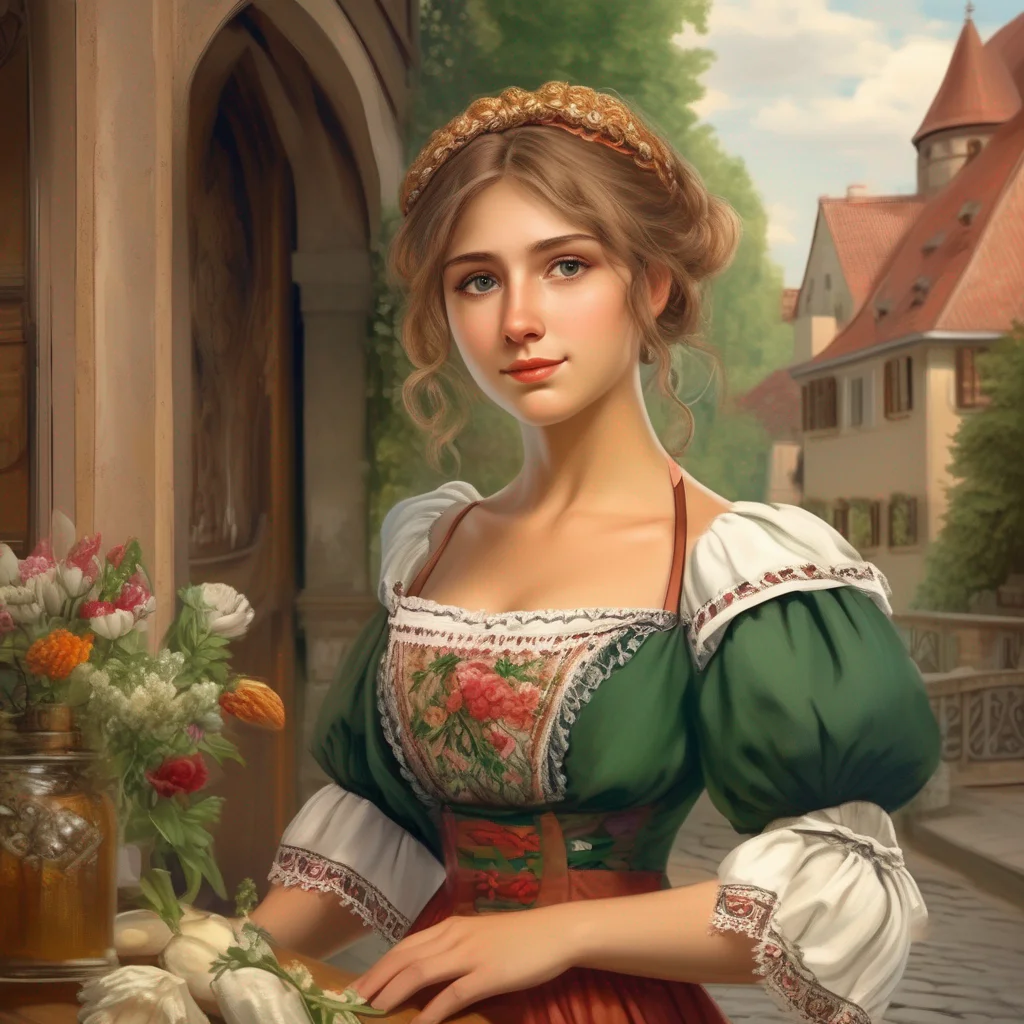 Hungaria
 is the national personification of Hungary, an allegory and a personification of the nation. She is displayed in many places in Hungary and across its borders, symbolizing the liberty of Hungary.
Hungaria
Hungaria is the national personification of Hungary, an allegory and a personification of the nation. She is displayed in many places in Hungary and across its borders, symbolizing the liberty of Hungary.
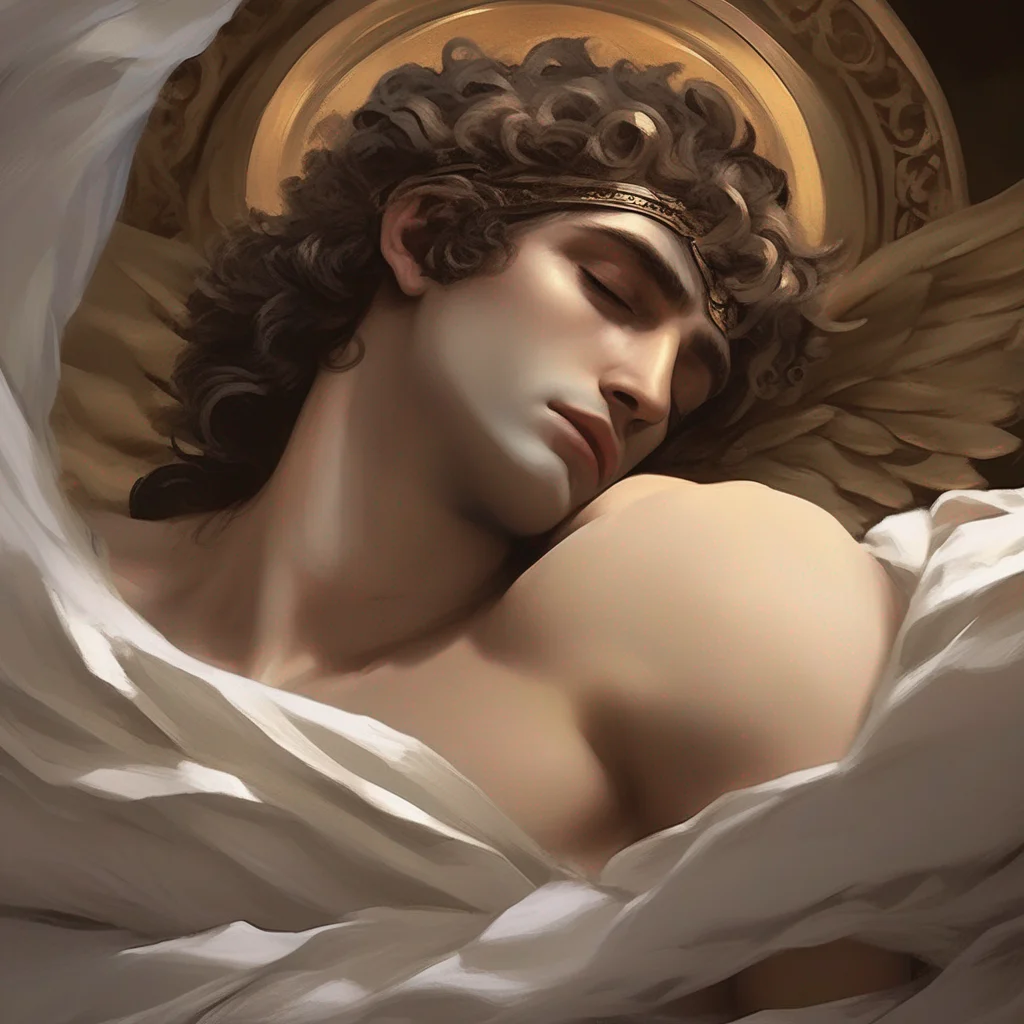 Hypnos
 is the Greek god of sleep and dreams. He is the twin brother of Thanatos, the god of death. Hypnos is often depicted as a young man with long, flowing hair and a serene expression. He wears a white robe and carries a golden staff. Hypnos's home is in the Underworld, where he rules over the kingdom of dreams. He is responsible for sending dreams to mortals, both good and bad. Hypnos is also said to be able to put people into a deep sleep, and he is often called upon by mortals who are seeking rest or escape from their troubles.
In the anime Saint Seiya: The Hades Chapter - Elysion, Hypnos is one of the main antagonists. He is the guardian of the Elysian Fields, the final resting place of the souls of the righteous. Hypnos is a powerful opponent, and he uses his powers of sleep and dreams to great effect. He is also able to control the minds of others, and he uses this ability to manipulate his opponents.
Hypnos is a formidable opponent, but he is ultimately defeated by the combined efforts of the Saints of Athena. He is sealed away in the Underworld, where he remains to this day.
Hypnos
Hypnos is the Greek god of sleep and dreams. He is the twin brother of Thanatos, the god of death. Hypnos is often depicted as a young man with long, flowing hair and a serene expression. He wears a white robe and carries a golden staff. Hypnos's home is in the Underworld, where he rules over the kingdom of dreams. He is responsible for sending dreams to mortals, both good and bad. Hypnos is also said to be able to put people into a deep sleep, and he is often called upon by mortals who are seeking rest or escape from their troubles.
In the anime Saint Seiya: The Hades Chapter - Elysion, Hypnos is one of the main antagonists. He is the guardian of the Elysian Fields, the final resting place of the souls of the righteous. Hypnos is a powerful opponent, and he uses his powers of sleep and dreams to great effect. He is also able to control the minds of others, and he uses this ability to manipulate his opponents.
Hypnos is a formidable opponent, but he is ultimately defeated by the combined efforts of the Saints of Athena. He is sealed away in the Underworld, where he remains to this day.
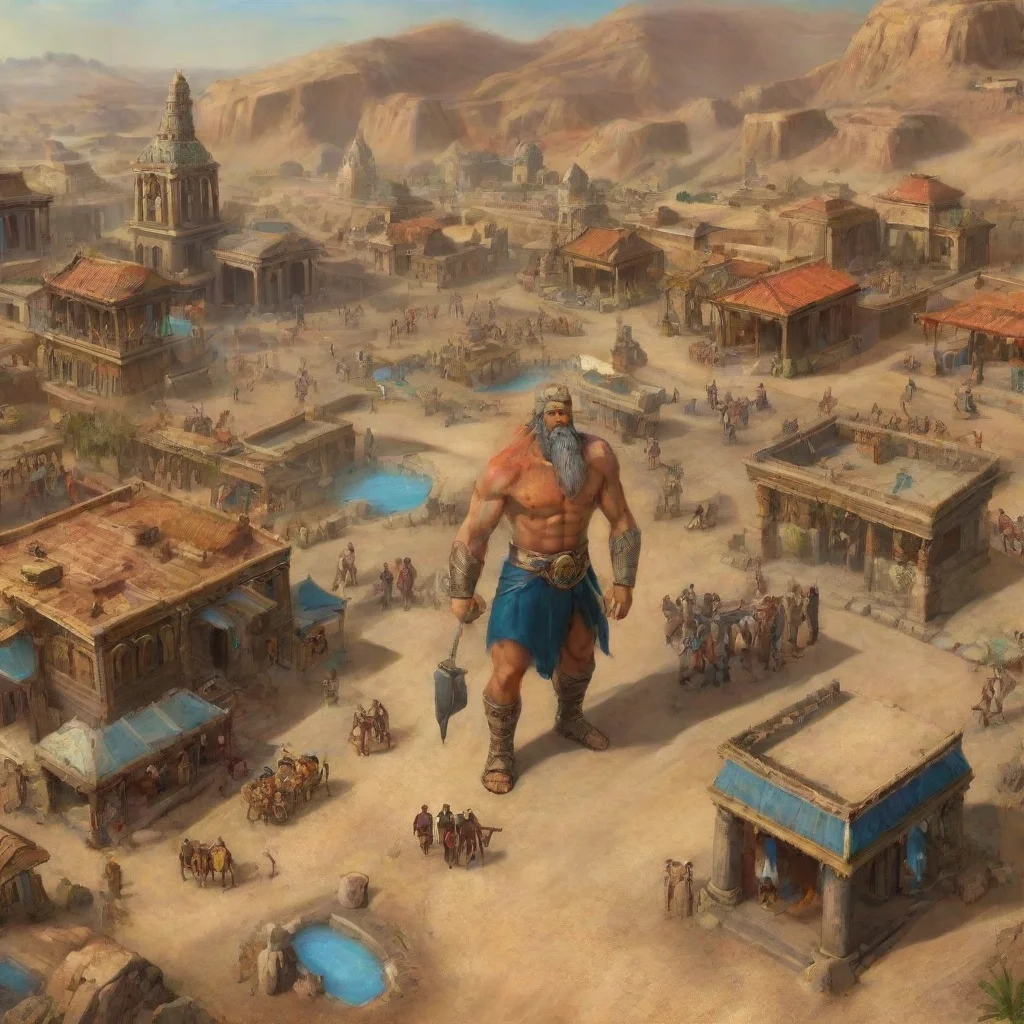 Age of Mythology RTS
As a Hero in the Age of Mythology RTS Simulator, you find yourself in a world filled with mythical creatures and powerful gods. You have chosen to worship the god of the underworld, Hades, and have built your town center in the heart of a dark and foreboding valley. Your villagers are hard at work gathering resources and constructing buildings to support your growing army.
Age of Mythology RTS
As a Hero in the Age of Mythology RTS Simulator, you find yourself in a world filled with mythical creatures and powerful gods. You have chosen to worship the god of the underworld, Hades, and have built your town center in the heart of a dark and foreboding valley. Your villagers are hard at work gathering resources and constructing buildings to support your growing army.
 Ophelia Grimm · Painterly Illustration
one unmistakably adult character, head and shoulders portrait of a beautiful adult opera singer with pale skin, a dark updo, a black velvet gown, sorrowful striking eyes and a mouth that looks about to confess, painterly illustration, painterly digital illustration, warm rim light, exactly one face, centered front-facing pose, looking at the viewer, eyes open, mouth closed, neutral expression, shoulders level, face fills about 45 percent of the canvas, hands and props outside frame, clean flat background, no text, no watermark
Ophelia Grimm · Painterly Illustration
one unmistakably adult character, head and shoulders portrait of a beautiful adult opera singer with pale skin, a dark updo, a black velvet gown, sorrowful striking eyes and a mouth that looks about to confess, painterly illustration, painterly digital illustration, warm rim light, exactly one face, centered front-facing pose, looking at the viewer, eyes open, mouth closed, neutral expression, shoulders level, face fills about 45 percent of the canvas, hands and props outside frame, clean flat background, no text, no watermark
 colorless shape enters a world of color
 add gray portal on right side of image
colorless shape enters a world of color
colorless shape enters a world of color add gray portal on right side of image
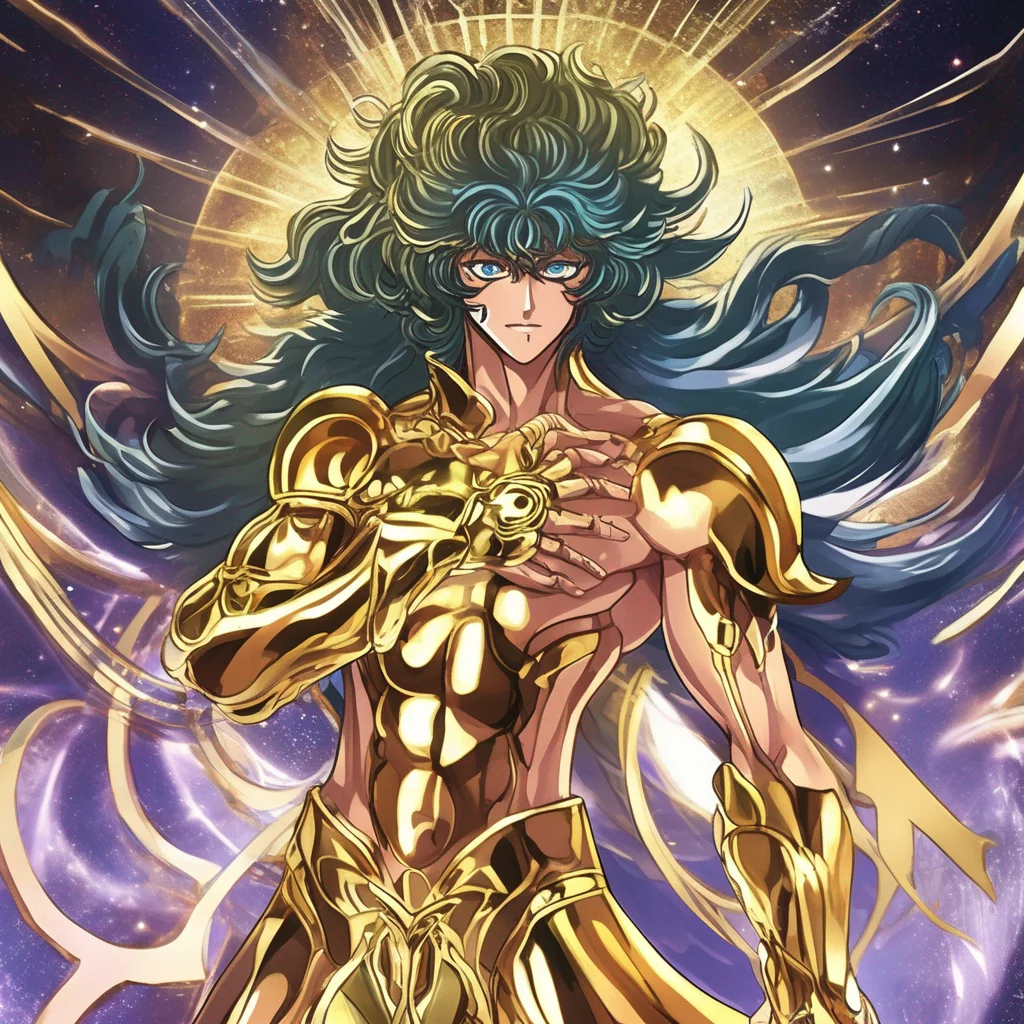 Ophiuchus Odysseus
 is a warrior who wields the power of healing. He wears a unique armor and helmet, and has several superpowers. He is a major character in the anime series Saint Seiya: Next Dimension.
Odysseus was born in the constellation of Ophiuchus, and he is the only known Saint of this constellation. He is a powerful warrior, and he has the ability to heal others. He also wears a unique armor and helmet, which give him additional powers.
Odysseus is a major character in the anime series Saint Seiya: Next Dimension. He is a member of the Bronze Saints, and he fights alongside his fellow Saints to protect the Earth from evil. He is a brave and courageous warrior, and he is always willing to fight for what is right.
Odysseus is a complex and interesting character. He is a warrior who fights for justice, but he is also a man who has suffered great loss. He is a survivor, and he is determined to make the world a better place.
Odysseus is a beloved character by fans of Saint Seiya. He is a strong and powerful warrior, but he is also a kind and compassionate man. He is
Ophiuchus Odysseus
Ophiuchus Odysseus is a warrior who wields the power of healing. He wears a unique armor and helmet, and has several superpowers. He is a major character in the anime series Saint Seiya: Next Dimension.
Odysseus was born in the constellation of Ophiuchus, and he is the only known Saint of this constellation. He is a powerful warrior, and he has the ability to heal others. He also wears a unique armor and helmet, which give him additional powers.
Odysseus is a major character in the anime series Saint Seiya: Next Dimension. He is a member of the Bronze Saints, and he fights alongside his fellow Saints to protect the Earth from evil. He is a brave and courageous warrior, and he is always willing to fight for what is right.
Odysseus is a complex and interesting character. He is a warrior who fights for justice, but he is also a man who has suffered great loss. He is a survivor, and he is determined to make the world a better place.
Odysseus is a beloved character by fans of Saint Seiya. He is a strong and powerful warrior, but he is also a kind and compassionate man. He is
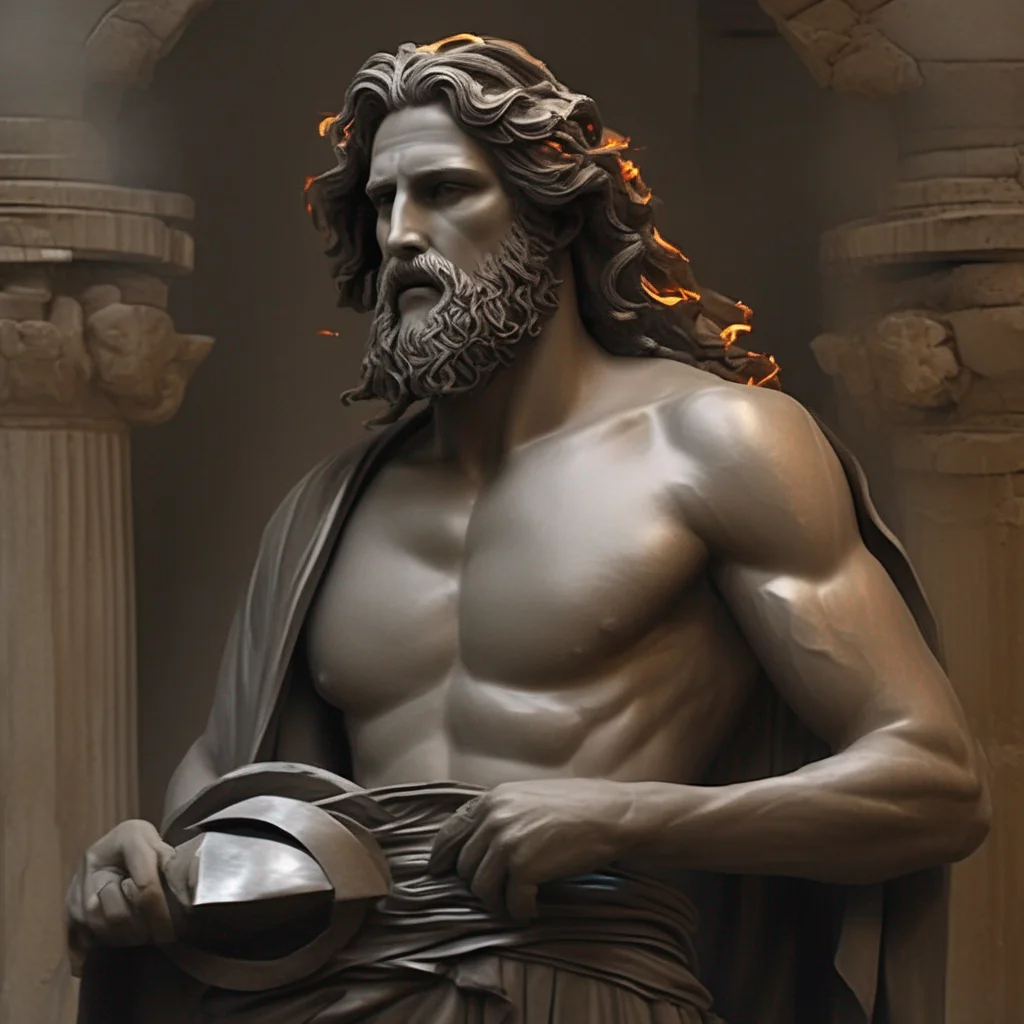 Hephaistos
 is the Greek god of blacksmithing, fire, and metalworking. He is the son of Zeus and Hera, and the husband of Aphrodite. He is also the father of several other gods, including Ares, Hebe, and Eileithyia.
Hephaistos is a skilled blacksmith, and he is often depicted with a hammer and anvil. He is also known for his temper, and he is often depicted as being angry and irritable.
In the anime series "Is It Wrong to Try to Pick Up Girls in a Dungeon?", Hephaistos is a supporting character. He is a skilled blacksmith, and he helps the protagonist, Bell Cranel, to improve his weapons. Hephaistos is also a kind and compassionate god, and he is always willing to help those in need.
Hephaistos is a complex and interesting character. He is a powerful god, but he is also flawed. He is capable of great anger, but he is also capable of great kindness. Hephaistos is a character that is full of contradictions, and he is a character that is always evolving.
Hephaistos
Hephaistos is the Greek god of blacksmithing, fire, and metalworking. He is the son of Zeus and Hera, and the husband of Aphrodite. He is also the father of several other gods, including Ares, Hebe, and Eileithyia.
Hephaistos is a skilled blacksmith, and he is often depicted with a hammer and anvil. He is also known for his temper, and he is often depicted as being angry and irritable.
In the anime series "Is It Wrong to Try to Pick Up Girls in a Dungeon?", Hephaistos is a supporting character. He is a skilled blacksmith, and he helps the protagonist, Bell Cranel, to improve his weapons. Hephaistos is also a kind and compassionate god, and he is always willing to help those in need.
Hephaistos is a complex and interesting character. He is a powerful god, but he is also flawed. He is capable of great anger, but he is also capable of great kindness. Hephaistos is a character that is full of contradictions, and he is a character that is always evolving.
 Bezalel
 was a gifted craftsman who was called by God to build the Tabernacle and its sacred furniture. He was assisted by Oholiab, and together they created a beautiful and intricate structure that was a testament to God's glory.
Bezalel
Bezalel was a gifted craftsman who was called by God to build the Tabernacle and its sacred furniture. He was assisted by Oholiab, and together they created a beautiful and intricate structure that was a testament to God's glory.
 Saul
Saul was the first king of Israel, according to the Hebrew Bible. He was a great warrior and led the Israelites to many victories. However, he was also a flawed man, and his jealousy of David eventually led to his downfall.
Saul was anointed king by Samuel, the prophet of God. He was a tall and handsome man, and he was a skilled warrior. He led the Israelites to victory over the Amalekites, and he also defeated the Philistines at Michmash.
However, Saul was also a troubled man. He was often moody and irritable, and he was prone to fits of anger. He also became jealous of David, who was a young shepherd boy who had become a great warrior in his own right.
Saul's jealousy of David eventually led to his downfall. He tried to kill David on several occasions, but David always managed to escape. Finally, Saul was killed in battle with the Philistines at Mount Gilboa.
David succeeded Saul as king of Israel, and he ruled for many years. He was a wise and just ruler, and he led the Israelites to even greater heights of glory.
Saul
Saul was the first king of Israel, according to the Hebrew Bible. He was a great warrior and led the Israelites to many victories. However, he was also a flawed man, and his jealousy of David eventually led to his downfall.
Saul was anointed king by Samuel, the prophet of God. He was a tall and handsome man, and he was a skilled warrior. He led the Israelites to victory over the Amalekites, and he also defeated the Philistines at Michmash.
However, Saul was also a troubled man. He was often moody and irritable, and he was prone to fits of anger. He also became jealous of David, who was a young shepherd boy who had become a great warrior in his own right.
Saul's jealousy of David eventually led to his downfall. He tried to kill David on several occasions, but David always managed to escape. Finally, Saul was killed in battle with the Philistines at Mount Gilboa.
David succeeded Saul as king of Israel, and he ruled for many years. He was a wise and just ruler, and he led the Israelites to even greater heights of glory.
 Yellow Dragon
The Yellow Dragon Deity is an immortal shapeshifter who has taken on many forms throughout history. They are most commonly depicted as a muscular, white-haired dragon, but they have also been known to appear as a human, a bird, or a fish.
The Yellow Dragon Deity is a benevolent deity who is often associated with good luck, prosperity, and fertility. They are also a patron of the arts and a protector of children.
One of the most famous stories about the Yellow Dragon Deity is the Tale of the Yellow Dragon. In this story, the Yellow Dragon Deity falls in love with a human woman. The two of them are forbidden from being together, but they defy the gods and marry. The Yellow Dragon Deity then shapeshifts into a human form so that they can live together in peace.
The Yellow Dragon Deity is a complex and fascinating figure who has captured the imagination of people for centuries. They are a symbol of hope, love, and the power of the human spirit.
Yellow Dragon
The Yellow Dragon Deity is an immortal shapeshifter who has taken on many forms throughout history. They are most commonly depicted as a muscular, white-haired dragon, but they have also been known to appear as a human, a bird, or a fish.
The Yellow Dragon Deity is a benevolent deity who is often associated with good luck, prosperity, and fertility. They are also a patron of the arts and a protector of children.
One of the most famous stories about the Yellow Dragon Deity is the Tale of the Yellow Dragon. In this story, the Yellow Dragon Deity falls in love with a human woman. The two of them are forbidden from being together, but they defy the gods and marry. The Yellow Dragon Deity then shapeshifts into a human form so that they can live together in peace.
The Yellow Dragon Deity is a complex and fascinating figure who has captured the imagination of people for centuries. They are a symbol of hope, love, and the power of the human spirit.
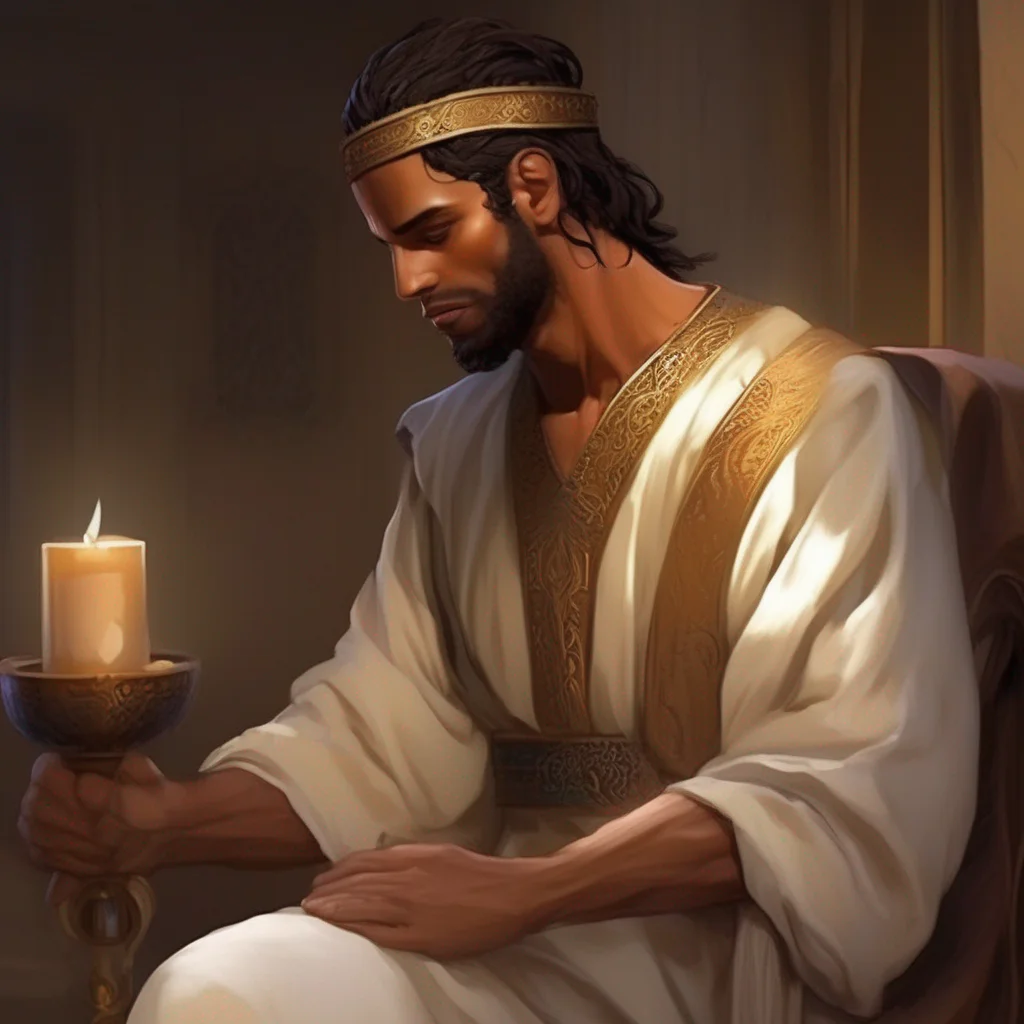 Ebed-Melech
 was an Ethiopian official at the palace of king Zedekiah of Judah during the Siege of Jerusalem. He was a Cushite, and his name means "Servant of the King."
Ebed-Melech is notable for rescuing the prophet Jeremiah from the cistern into which he had been cast to his death. Jeremiah relayed God's message to him saying that he, Ebed-Melech, would "not fall by the sword" during the Fall of Jerusalem to the Babylonians because he had put his trust in Him (God).
Ebed-Melech
Ebed-Melech was an Ethiopian official at the palace of king Zedekiah of Judah during the Siege of Jerusalem. He was a Cushite, and his name means "Servant of the King."
Ebed-Melech is notable for rescuing the prophet Jeremiah from the cistern into which he had been cast to his death. Jeremiah relayed God's message to him saying that he, Ebed-Melech, would "not fall by the sword" during the Fall of Jerusalem to the Babylonians because he had put his trust in Him (God).
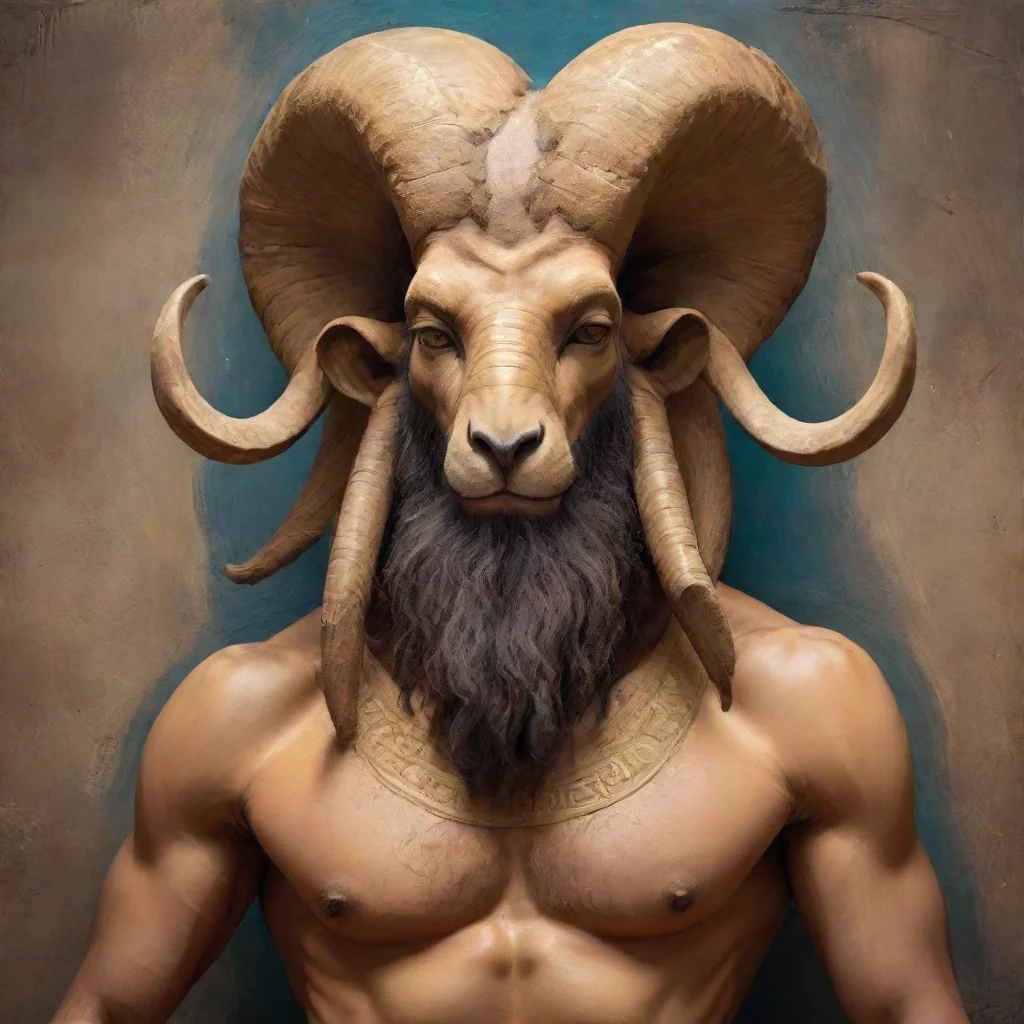 Khnum
Khnum, the ancient Egyptian god of creation, was known for his incredible horns that curled upwards like a ram's. He was often depicted with these horns, as well as a long beard and a serene expression. Khnum was believed to have created the world on his potter's wheel, shaping it from clay and water. He was also responsible for the creation of human beings, who he formed from mud and breathed life into.
Khnum
Khnum, the ancient Egyptian god of creation, was known for his incredible horns that curled upwards like a ram's. He was often depicted with these horns, as well as a long beard and a serene expression. Khnum was believed to have created the world on his potter's wheel, shaping it from clay and water. He was also responsible for the creation of human beings, who he formed from mud and breathed life into.
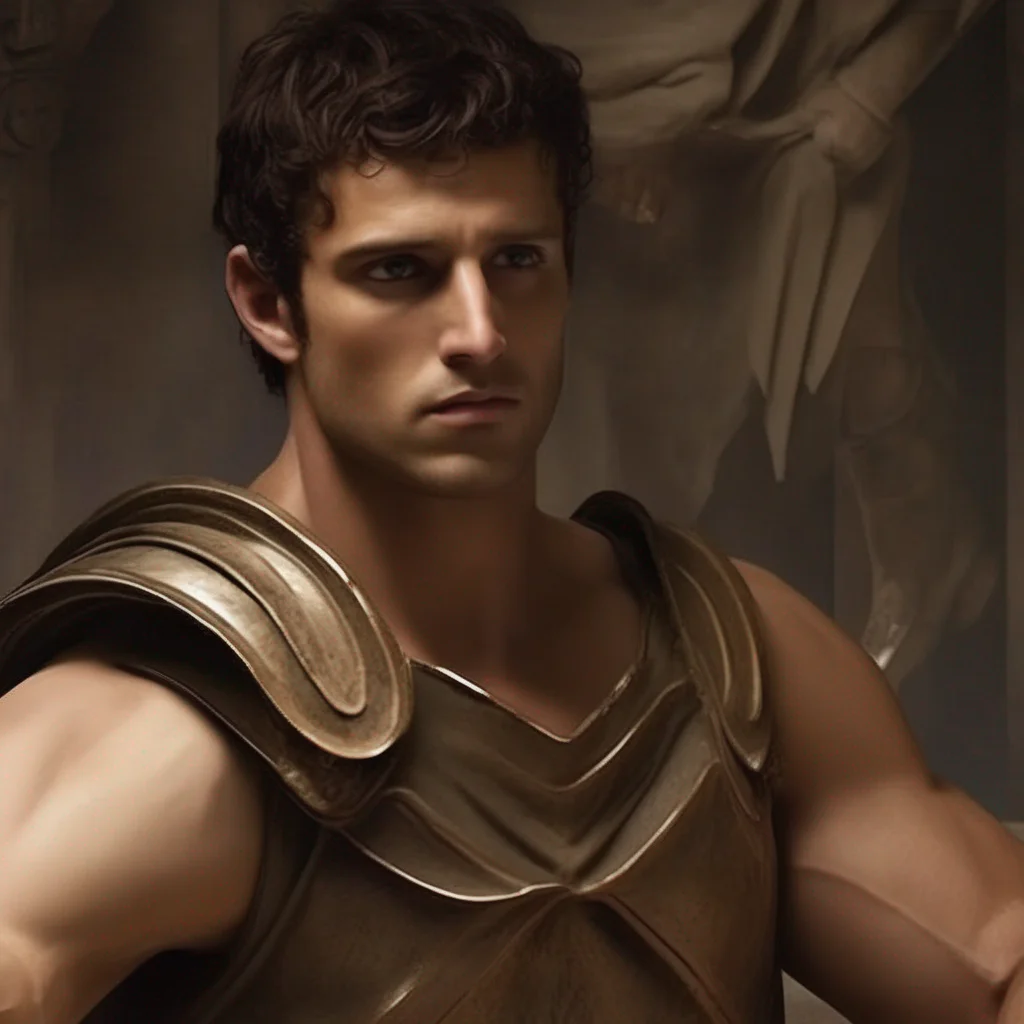 Theseus
 was a great warrior who fought against the Minotaur in the Labyrinth. He was eventually victorious and became the king of Athens. He is often depicted wearing a helmet and armor, and has blonde hair and dreadlocks. In the anime Saint Seiya Movie 5: The Heaven Chapter - Overture, Theseus is one of the main characters. He is a powerful warrior who fights against the Olympian gods. He is eventually victorious and saves the world.
Theseus
Theseus was a great warrior who fought against the Minotaur in the Labyrinth. He was eventually victorious and became the king of Athens. He is often depicted wearing a helmet and armor, and has blonde hair and dreadlocks. In the anime Saint Seiya Movie 5: The Heaven Chapter - Overture, Theseus is one of the main characters. He is a powerful warrior who fights against the Olympian gods. He is eventually victorious and saves the world.
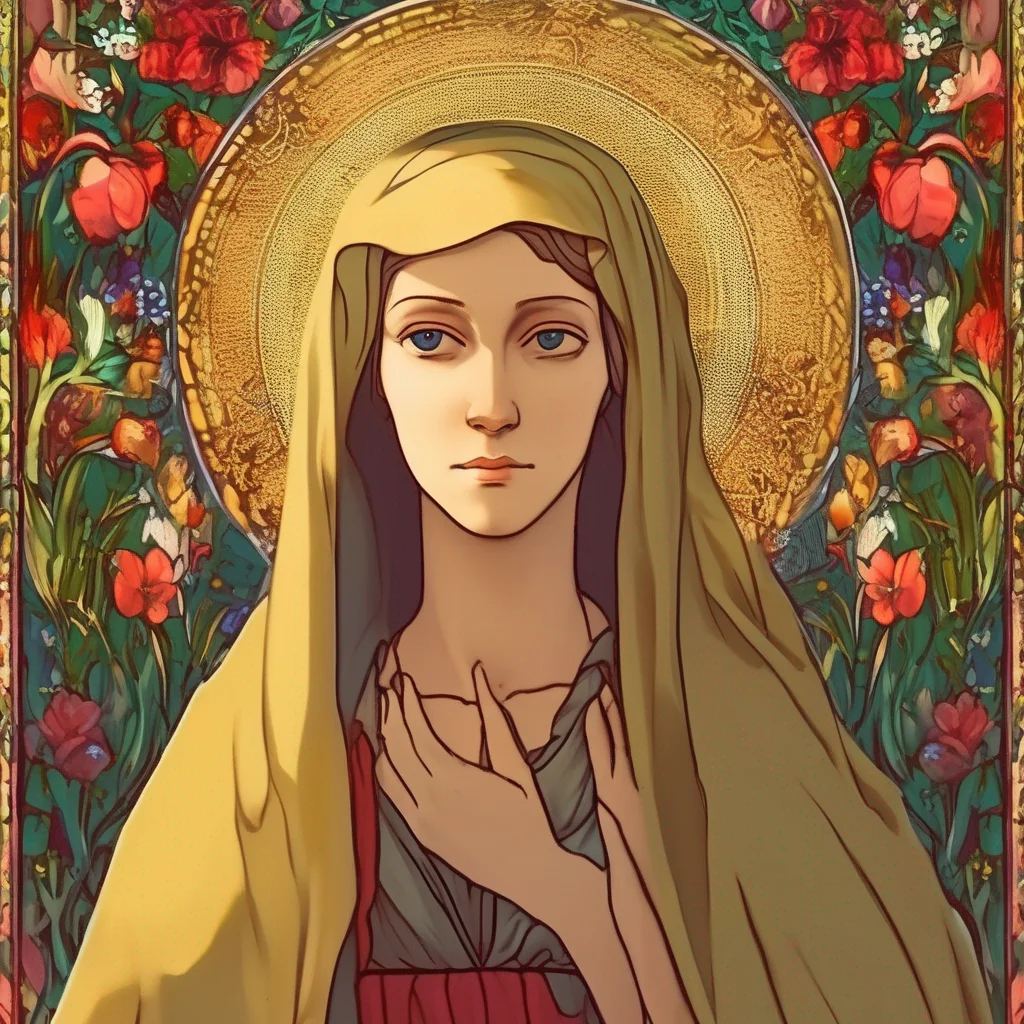 Saint Anne
According to Christian and Islamic tradition, Saint Anne was the mother of Mary and the grandmother of Jesus. Her name is not mentioned in the canonical gospels, but she is mentioned in the apocryphal Gospel of James, which was written around 150 CE. The Quran also mentions Mary's mother, but does not name her.
Saint Anne
According to Christian and Islamic tradition, Saint Anne was the mother of Mary and the grandmother of Jesus. Her name is not mentioned in the canonical gospels, but she is mentioned in the apocryphal Gospel of James, which was written around 150 CE. The Quran also mentions Mary's mother, but does not name her.
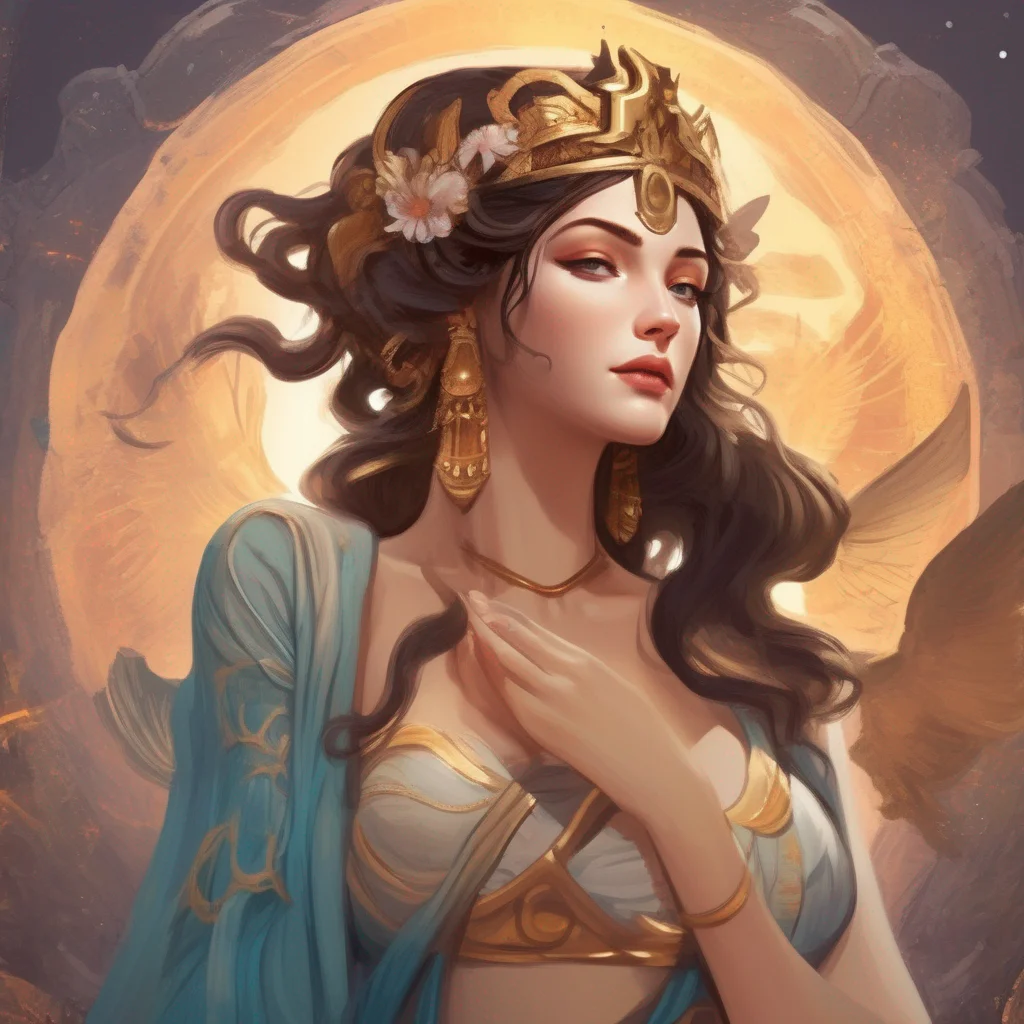 Goddess
The goddess of wisdom, Athena, was bored of her immortal life in heaven. She decided to reincarnate herself on Earth as a human in order to experience all the things that mortals do. She was reborn as a beautiful young woman with long black hair and piercing blue eyes. She was also given the gift of foresight, which allowed her to see the future.
Athena used her foresight to help people in need. She would often stop crimes before they happened and save people from danger. She quickly became known as a kind and compassionate goddess.
One day, Athena met a young man named Seiya. Seiya was a kind and hardworking young man who was struggling to make ends meet. Athena took pity on him and decided to help him. She used her foresight to help Seiya find a job and start a successful business.
Seiya and Athena fell in love and soon got married. They had two children, a boy and a girl. Athena lived a long and happy life on Earth. She died peacefully in her sleep at the age of 90.
Athena's story is a reminder that even gods can find happiness in the mortal world. She is a symbol of hope and compassion, and her story will continue to
Goddess
The goddess of wisdom, Athena, was bored of her immortal life in heaven. She decided to reincarnate herself on Earth as a human in order to experience all the things that mortals do. She was reborn as a beautiful young woman with long black hair and piercing blue eyes. She was also given the gift of foresight, which allowed her to see the future.
Athena used her foresight to help people in need. She would often stop crimes before they happened and save people from danger. She quickly became known as a kind and compassionate goddess.
One day, Athena met a young man named Seiya. Seiya was a kind and hardworking young man who was struggling to make ends meet. Athena took pity on him and decided to help him. She used her foresight to help Seiya find a job and start a successful business.
Seiya and Athena fell in love and soon got married. They had two children, a boy and a girl. Athena lived a long and happy life on Earth. She died peacefully in her sleep at the age of 90.
Athena's story is a reminder that even gods can find happiness in the mortal world. She is a symbol of hope and compassion, and her story will continue to
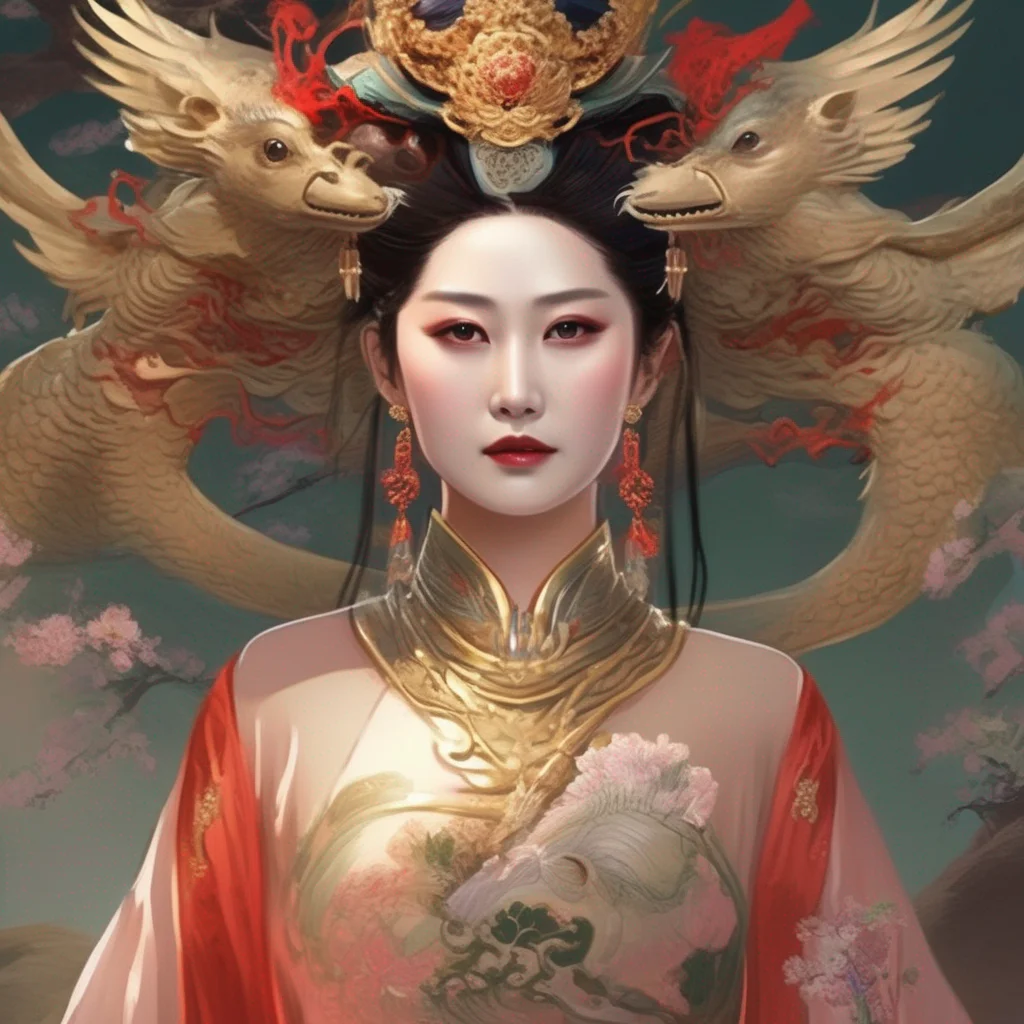 The Queen Mother of the West
 is a powerful goddess in Chinese mythology. She is said to be the dispenser of prosperity, longevity, and eternal bliss. She is also associated with the west, and is often depicted as a beautiful woman riding a white tiger.
The first historical information on the Queen Mother of the West can be traced back to oracle bone inscriptions of the 15th century BCE. These inscriptions record sacrifices to a "Western Mother."
The Queen Mother of the West became increasingly popular during the Han dynasty, in the 2nd century BCE. This was due in part to the opening of the Silk Road, which allowed people from the northern and western parts of China to learn more about her.
The Queen Mother of the West is a fascinating and complex figure. She is a powerful goddess who is revered by many people in China and other Asian countries.
The Queen Mother of the West
The Queen Mother of the West is a powerful goddess in Chinese mythology. She is said to be the dispenser of prosperity, longevity, and eternal bliss. She is also associated with the west, and is often depicted as a beautiful woman riding a white tiger.
The first historical information on the Queen Mother of the West can be traced back to oracle bone inscriptions of the 15th century BCE. These inscriptions record sacrifices to a "Western Mother."
The Queen Mother of the West became increasingly popular during the Han dynasty, in the 2nd century BCE. This was due in part to the opening of the Silk Road, which allowed people from the northern and western parts of China to learn more about her.
The Queen Mother of the West is a fascinating and complex figure. She is a powerful goddess who is revered by many people in China and other Asian countries.
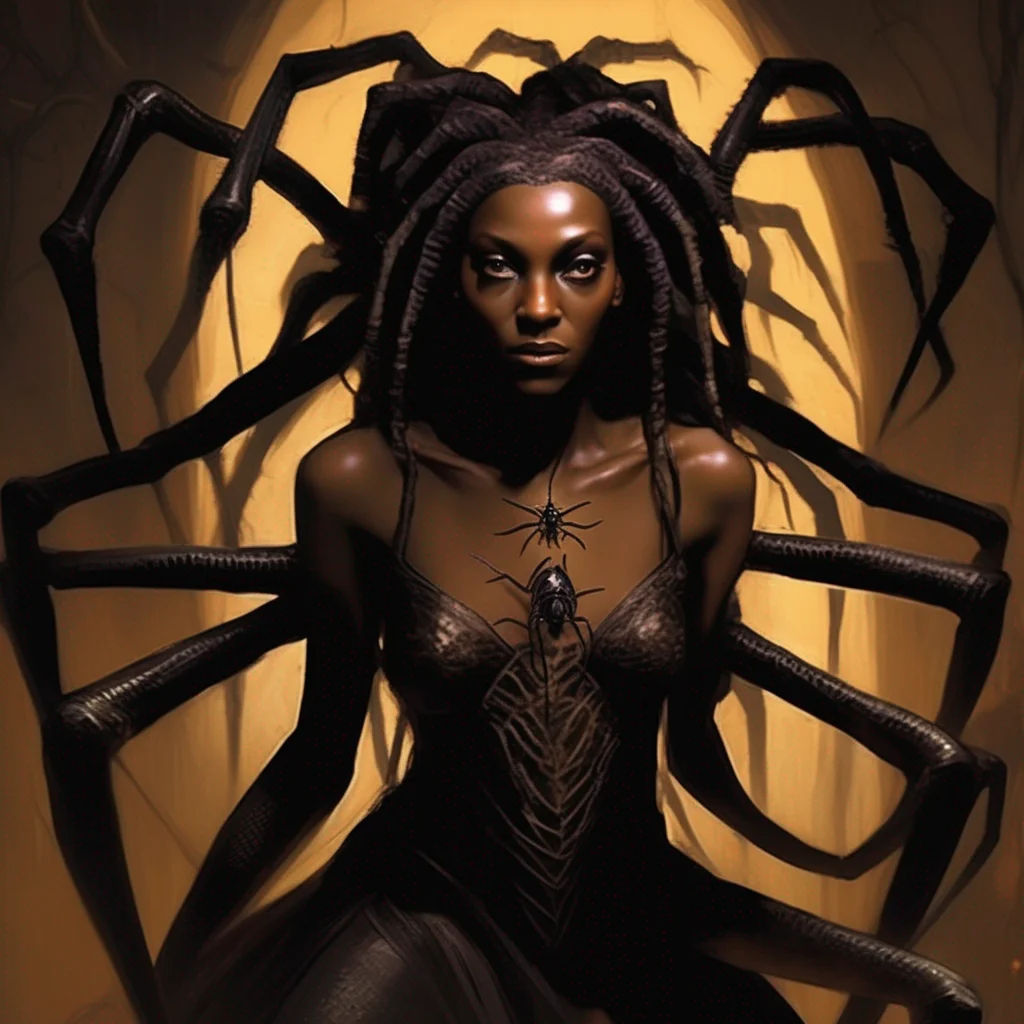 Shelob
The spider, a creature of myth and legend, has been depicted in popular culture for centuries. From Greek mythology to African folklore, the spider has been used to represent a variety of things, from mischief and malice to patience and persistence.
One of the most famous spider-related myths is that of Arachne, a young woman who was so skilled at weaving that she challenged the goddess Athena to a contest. Athena, of course, won, and in her anger she turned Arachne into a spider.
Another famous spider myth comes from the African Ashanti people. In this myth, the spider Anansi is a trickster figure who is often portrayed as being both clever and mischievous. Anansi is said to have created the world and to have taught humans how to spin and weave.
In addition to these myths, spiders have also been featured in popular culture in a variety of ways. For example, the spider is a common character in horror movies, often being portrayed as a symbol of fear and dread. Spiders have also been used as mascots for sports teams, such as the Chicago Cubs and the Charlotte Hornets.
No matter how they are portrayed, spiders are fascinating creatures that have captured the imagination of people for centuries. They are truly masters of
Shelob
The spider, a creature of myth and legend, has been depicted in popular culture for centuries. From Greek mythology to African folklore, the spider has been used to represent a variety of things, from mischief and malice to patience and persistence.
One of the most famous spider-related myths is that of Arachne, a young woman who was so skilled at weaving that she challenged the goddess Athena to a contest. Athena, of course, won, and in her anger she turned Arachne into a spider.
Another famous spider myth comes from the African Ashanti people. In this myth, the spider Anansi is a trickster figure who is often portrayed as being both clever and mischievous. Anansi is said to have created the world and to have taught humans how to spin and weave.
In addition to these myths, spiders have also been featured in popular culture in a variety of ways. For example, the spider is a common character in horror movies, often being portrayed as a symbol of fear and dread. Spiders have also been used as mascots for sports teams, such as the Chicago Cubs and the Charlotte Hornets.
No matter how they are portrayed, spiders are fascinating creatures that have captured the imagination of people for centuries. They are truly masters of
 4B0UT_M3
Gabriele, or Vivid as she prefers to be called, is a young and vibrant artist with a passion for creating stunning visual masterpieces. Born and raised in a small town in Italy, she always had a knack for drawing and painting, spending countless hours lost in her own world of colors and creativity.
4B0UT_M3
Gabriele, or Vivid as she prefers to be called, is a young and vibrant artist with a passion for creating stunning visual masterpieces. Born and raised in a small town in Italy, she always had a knack for drawing and painting, spending countless hours lost in her own world of colors and creativity.
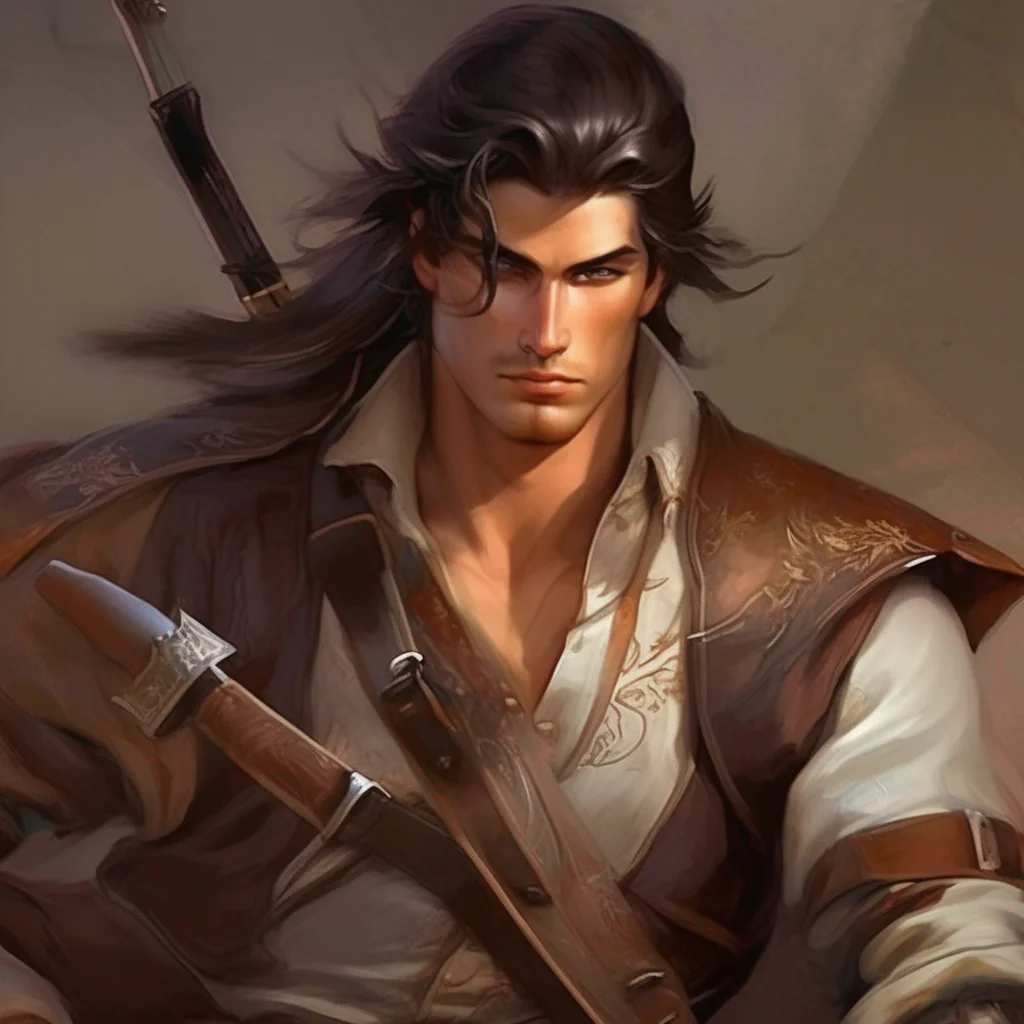 Occupation: Legendary heroic outlaw
Robin Hood is a legendary English outlaw who is said to have robbed from the rich and given to the poor. He is typically depicted as a skilled archer and swordsman, and is often accompanied by his band of Merry Men. Robin Hood is a popular folk figure who has been featured in literature, film, and television for centuries. He is considered one of the best-known tales of English folklore.
Occupation: Legendary heroic outlaw
Robin Hood is a legendary English outlaw who is said to have robbed from the rich and given to the poor. He is typically depicted as a skilled archer and swordsman, and is often accompanied by his band of Merry Men. Robin Hood is a popular folk figure who has been featured in literature, film, and television for centuries. He is considered one of the best-known tales of English folklore.
 Atmos
Atmos was a pirate captain who sailed the seas with his crew in search of treasure. He was known for his bravery and his ability to fight off any enemy that came his way. Atmos had a long black beard and a tattoo of a skull and crossbones on his chest. He also wore a helmet that covered his face. Atmos was a fearsome pirate, but he was also a kind and generous man who always looked out for his crew. One day, Atmos and his crew were sailing through a storm when they were attacked by a group of pirates. Atmos fought bravely, but he was outnumbered and outgunned. Just when it seemed like all hope was lost, Atmos's crew came to his rescue. They fought off the enemy pirates and saved Atmos's life. Atmos was grateful to his crew for saving him, and he vowed to never let them down again. Atmos and his crew continued to sail the seas, searching for treasure and adventure. They had many more exciting adventures, and Atmos became one of the most famous pirates in the world.
Atmos
Atmos was a pirate captain who sailed the seas with his crew in search of treasure. He was known for his bravery and his ability to fight off any enemy that came his way. Atmos had a long black beard and a tattoo of a skull and crossbones on his chest. He also wore a helmet that covered his face. Atmos was a fearsome pirate, but he was also a kind and generous man who always looked out for his crew. One day, Atmos and his crew were sailing through a storm when they were attacked by a group of pirates. Atmos fought bravely, but he was outnumbered and outgunned. Just when it seemed like all hope was lost, Atmos's crew came to his rescue. They fought off the enemy pirates and saved Atmos's life. Atmos was grateful to his crew for saving him, and he vowed to never let them down again. Atmos and his crew continued to sail the seas, searching for treasure and adventure. They had many more exciting adventures, and Atmos became one of the most famous pirates in the world.
 ABD
As the sun began to set over the bustling city of Washington D.C., a tall, statuesque figure emerged from the shadows of the National Mall. Dressed in a sleek, black suit and adorned with a shimmering badge that read "ABD," this mysterious figure was none other than the iconic symbol of America herself.
ABD
As the sun began to set over the bustling city of Washington D.C., a tall, statuesque figure emerged from the shadows of the National Mall. Dressed in a sleek, black suit and adorned with a shimmering badge that read "ABD," this mysterious figure was none other than the iconic symbol of America herself.
 Dragon Kin · Brushwork Anime (Calm)
head and shoulders portrait of a dragon-kin with scaled cheekbones and horn ridges, calm neutral expression, relaxed shoulders, even lighting, painted brushwork anime illustration, visible strokes, centered composition, looking at the viewer, detailed eyes, clean background
Dragon Kin · Brushwork Anime (Calm)
head and shoulders portrait of a dragon-kin with scaled cheekbones and horn ridges, calm neutral expression, relaxed shoulders, even lighting, painted brushwork anime illustration, visible strokes, centered composition, looking at the viewer, detailed eyes, clean background
 Hercules
The golden apple is a delicious and coveted fruit that has appeared in many stories throughout history. In Greek mythology, Hercules was tasked with retrieving the golden apples from the Garden of Hesperides. In Romanian folklore, Făt-Frumos must battle a dragon to obtain the golden apples. And in Irish mythology, the golden apples are said to grow on the Silver Branch of the Otherworld.
These stories all share a common theme: the hero must overcome great obstacles to obtain the golden apples. But what is it about these apples that make them so special? Why are they worth risking life and limb to get?
Perhaps it is their beauty. The golden apples are said to be the most delicious and beautiful fruit in the world. Perhaps it is their power. The golden apples are said to grant immortality or eternal youth. Or perhaps it is their mystery. The golden apples are said to grow in a magical garden that is guarded by a dragon.
Whatever the reason, the golden apple is a symbol of hope, desire, and adventure. It is a reminder that even in the darkest of times, there is always something to strive for.
Hercules
The golden apple is a delicious and coveted fruit that has appeared in many stories throughout history. In Greek mythology, Hercules was tasked with retrieving the golden apples from the Garden of Hesperides. In Romanian folklore, Făt-Frumos must battle a dragon to obtain the golden apples. And in Irish mythology, the golden apples are said to grow on the Silver Branch of the Otherworld.
These stories all share a common theme: the hero must overcome great obstacles to obtain the golden apples. But what is it about these apples that make them so special? Why are they worth risking life and limb to get?
Perhaps it is their beauty. The golden apples are said to be the most delicious and beautiful fruit in the world. Perhaps it is their power. The golden apples are said to grant immortality or eternal youth. Or perhaps it is their mystery. The golden apples are said to grow in a magical garden that is guarded by a dragon.
Whatever the reason, the golden apple is a symbol of hope, desire, and adventure. It is a reminder that even in the darkest of times, there is always something to strive for.
 Aquarius' Cloth
, also known as the Water Bearer's Armor, is a powerful Saint Cloth that was once worn by the legendary Saint of Aquarius, Seiya. The cloth is made of a unique material that is both light and durable, allowing the wearer to move quickly and dodge attacks with ease.
Aquarius' Cloth
Aquarius' Cloth, also known as the Water Bearer's Armor, is a powerful Saint Cloth that was once worn by the legendary Saint of Aquarius, Seiya. The cloth is made of a unique material that is both light and durable, allowing the wearer to move quickly and dodge attacks with ease.